
Last updated November 25, 2026
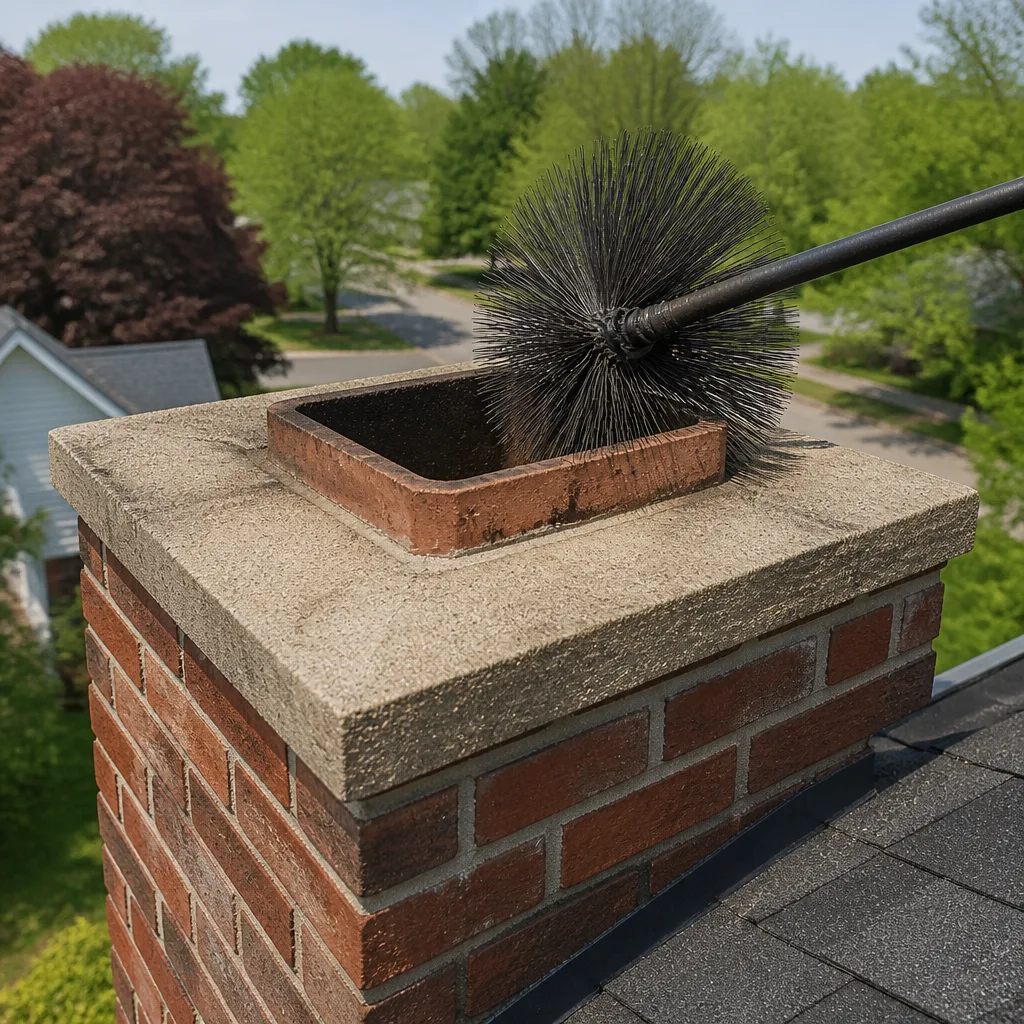 Sweep & inspection
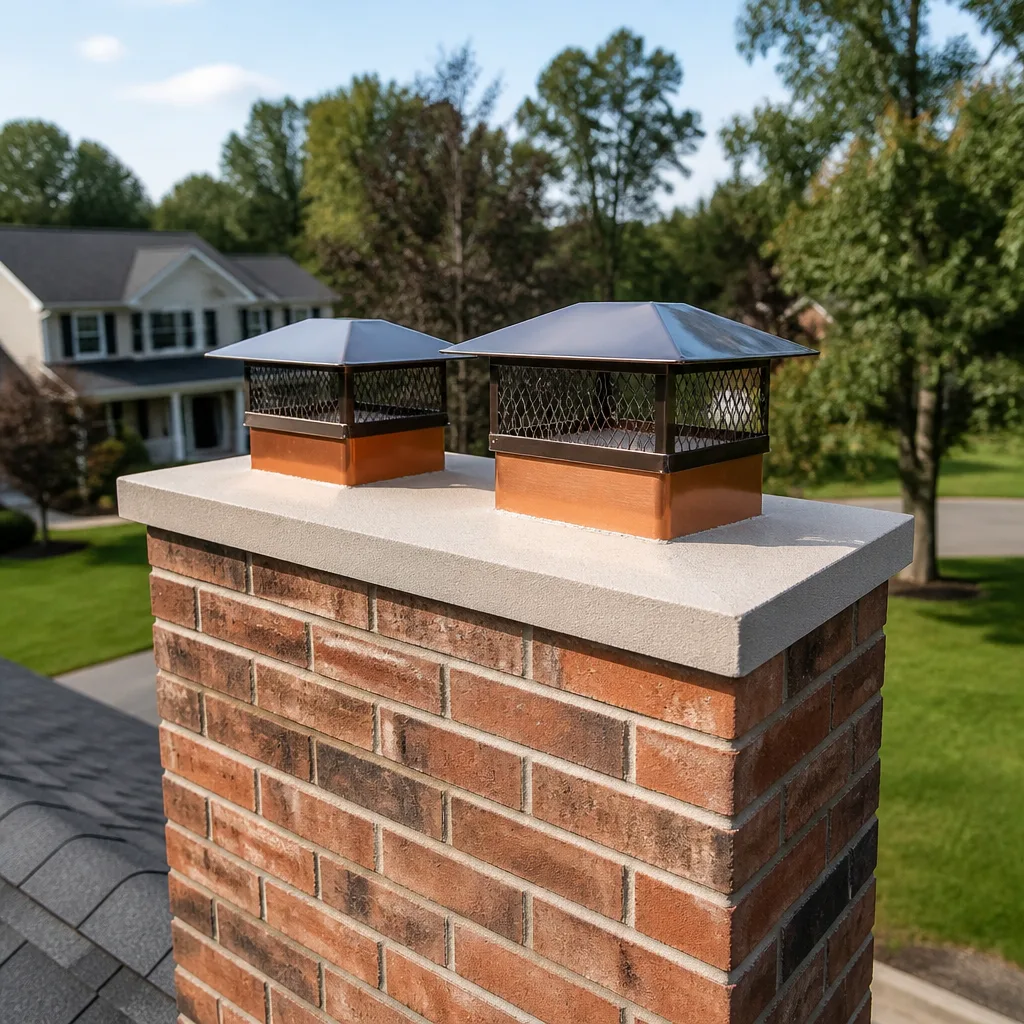 Caps & crowns
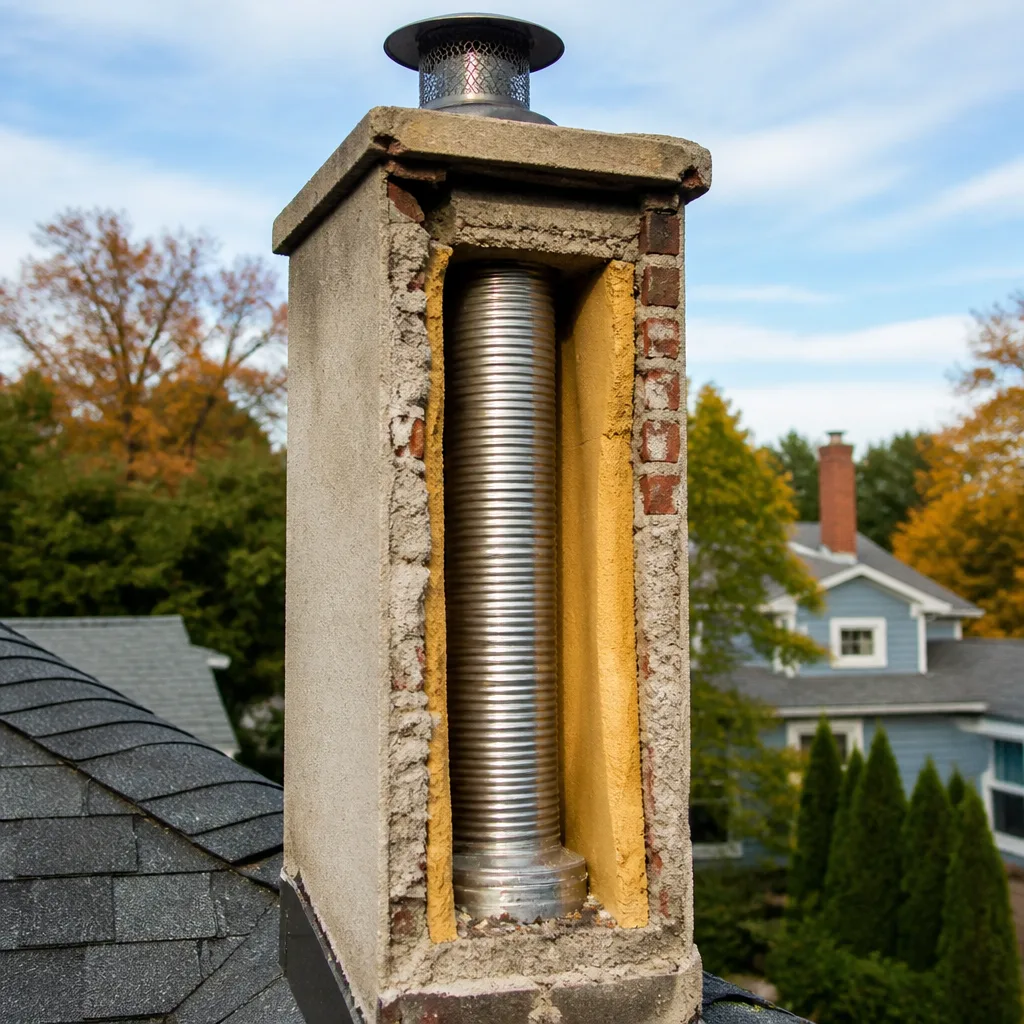 Flue relining
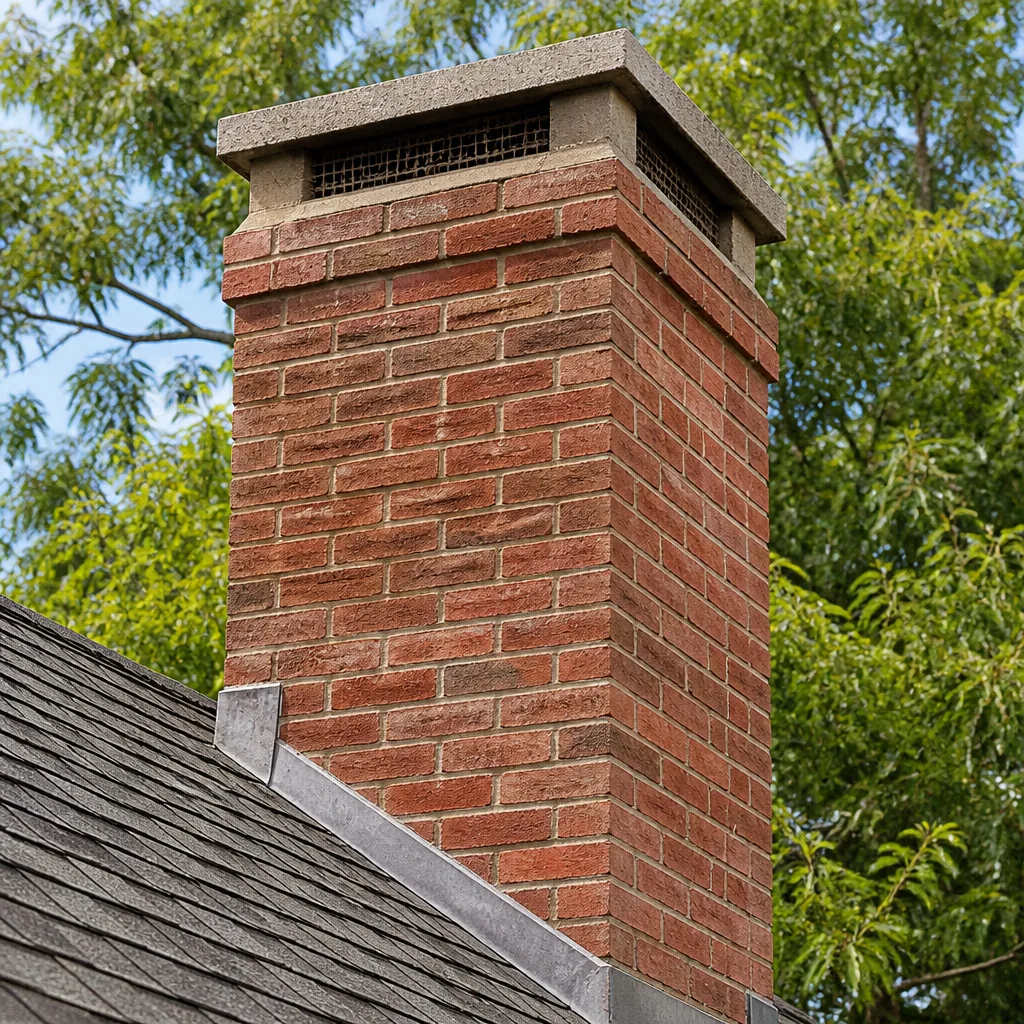 Masonry repair
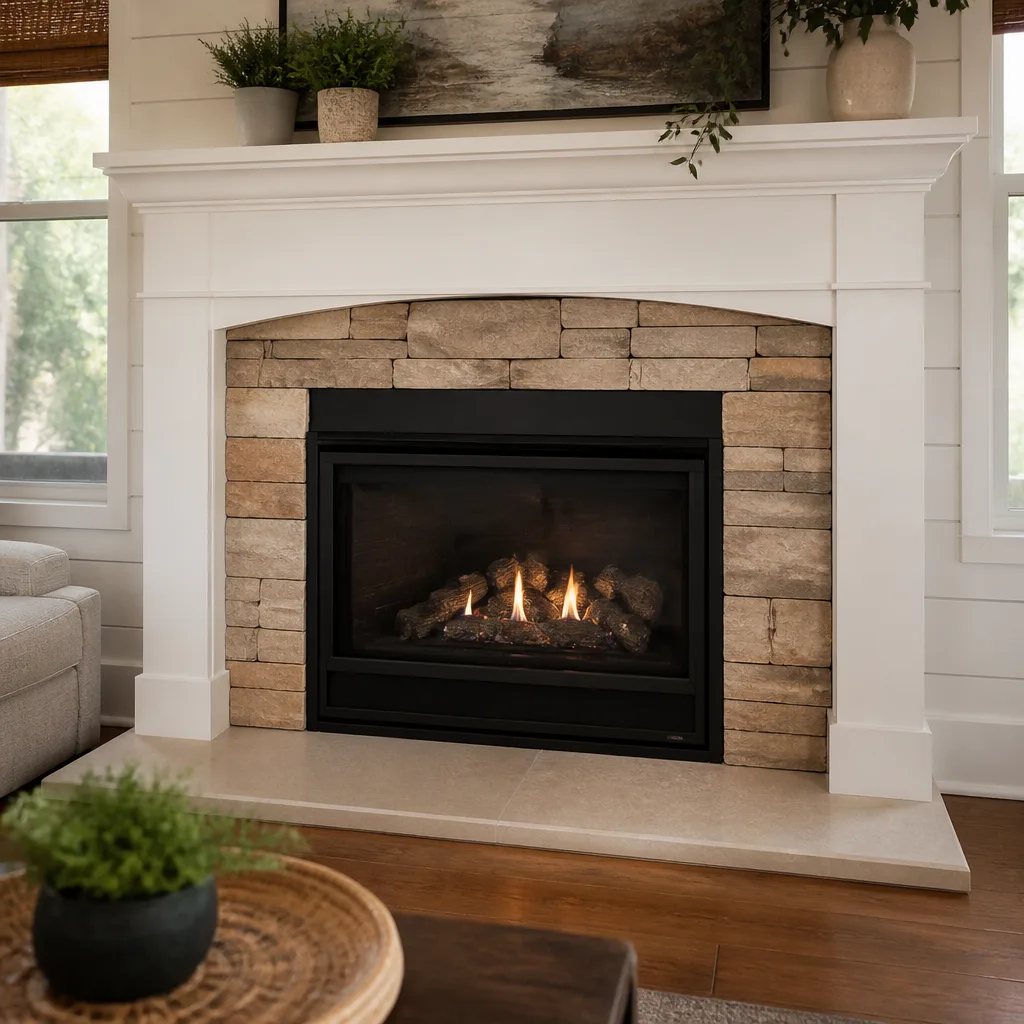 Gas fireplace service
Level 1 sweep and inspection to the NFPA 211 annual standard - flue, crown, cap, and flashing checked and photographed
Chimney sweep logs do not sweep chimneys. They loosen some creosote - which then falls where a brush and vacuum still have to collect it.
DIY vs Professional Chimney Cleaning: The Aliso Viejo Homeowner’s Decision Guide
Most homeowners assume a chimney is either clean or dirty, and that a brush on a rod settles the question either way. It doesn’t. A brush pass removes loose soot and first-degree creosote from the flue walls, and that’s a real accomplishment. What it leaves untouched is the part that actually matters: glazed second-degree creosote, the smoke chamber above the damper, hairline cracks in the liner, and the cap and crown sitting in the weather year-round. Every one of those can fail quietly while your flue looks spotless from the firebox. This guide is written for the Aliso Viejo homeowner who wants an honest technical comparison, not a sales pitch in either direction. We’ll cover what a brush actually reaches, what legitimate DIY equipment costs, the narrow conditions where doing it yourself is defensible, and what a documented full-system inspection gives you that a Sunday afternoon with a rented brush never will.
Quick Answer
DIY chimney brushing is a defensible option only when all of the following are true: you have a low-use fireplace, a single-story roofline, known flue dimensions, a previously confirmed clean and undamaged liner, and Stage 1 (sooty, non-glazed) creosote only. For anything else, and especially for any chimney that hasn’t been inspected, a professional full-system service is the correct call because cleaning is the smallest part of what needs doing. A brush cleans the pipe. An inspection tells you whether the pipe is safe to use at all.
Styles & brands we work with
- Sweep & inspection
- Caps & crowns
- Flue relining
- Masonry repair
- Gas fireplace service
Table of Contents
- What a Chimney Brush Actually Cleans (And What It Doesn’t)
- Creosote Classification: Why Stage 1 and Stage 3 Are Different Problems
- The Equipment a Legitimate DIY Sweep Requires
- When DIY Is a Defensible Choice
- What a Professional Full-System Service Delivers
- Liability and Insurance: The California Question
- What’s Different About Chimneys in Aliso Viejo
- A Step-by-Step Decision Framework
What a Chimney Brush Actually Cleans (And What It Doesn’t)
A chimney brush is a scraping tool. Its job is to knock accumulated soot and soft creosote off the interior walls of the flue so it drops to the bottom and can be removed. That’s it. A brush does not neutralize anything, does not seal anything, and does not tell you what condition the flue is in. Understanding that boundary is the whole decision.
Here’s the honest split, and we go through it with every homeowner we work with:
What a brush pass handles:
- Loose soot deposits on the flue walls
- Stage 1 creosote, which is flaky, dusty, and brushes off readily
- Light ash accumulation in the firebox and smoke shelf
- Debris that has fallen down the flue
What a brush pass does not handle:
- Stage 2 and Stage 3 creosote, which are glazed, hardened, and bonded to the flue wall. A nylon or poly brush skips right over them
- The smoke chamber, that sloped cavity directly above the damper. It collects heavy creosote and is nearly impossible to reach with a straight rod from below or above
- Cracks, spalling, or gaps in the flue liner
- Damaged or missing chimney caps
- Cracked crowns, deteriorated mortar joints, and flashing failures at the roof line
- The firebox itself, which can have cracked refractory brick or failed mortar that a brush never touches
The distinction matters because almost every chimney fire we hear about in the trade starts with the stuff a brush can’t remove. Second-degree creosote is the fuel. The smoke chamber is where it concentrates. And a cracked liner lets heat and carbon monoxide move into the structure of the house instead of up the flue. None of those are cleaning problems. They’re inspection and repair problems. If you want to understand the cleaning side more thoroughly, our chimney sweep service page walks through what a proper sweep involves.
Creosote Classification: Why Stage 1 and Stage 3 Are Different Problems
Creosote is the residue left behind when wood smoke cools on its way up the flue. It forms in three distinct stages, and the stage determines whether brushing works at all. The chimney trade classifies them this way:
- Stage 1 (soot and flaky residue): Soft, dusty, black or gray. Brushes off the flue walls and can be vacuumed out. This is what most people picture when they picture creosote.
- Stage 2 (hardened crust): Dark, brittle, and stuck to the flue wall. Brushes will chip away at it, but a straight-brush pass often leaves the bulk behind. This stage typically requires rotary cleaning with the right head for the flue material.
- Stage 3 (glazed creosote): Shiny, hardened, and bonded to the flue wall like varnish or glass. It’s the most flammable stage and the hardest to remove. A brush does essentially nothing to Stage 3. It takes mechanical removal with the right tooling, or in severe cases chemical treatment followed by mechanical work.
In our experience the creosote stage you end up with depends heavily on how the fire is burned. A hot, well-oxygenated fire with dry seasoned wood produces less creosote. A slow, smoldering fire with damp wood produces a lot more. Aliso Viejo’s mild climate means many homeowners burn fewer, cooler fires during the winter rather than keeping a fire going all season. The occasional fire, especially burned with unseasoned wood, tends to lay down more of the sticky creosote that hardens into Stage 2 and Stage 3 than a regularly used fire in a colder climate. Which is a long way of saying: a chimney that’s only used ten times a season is not automatically a chimney that’s easy to clean.
The stage determines the tooling, and the tooling determines whether a DIY pass leaves your flue actually clean or just clean-looking. Before you buy anything, you should know what stage you’re dealing with. That requires a camera, and a camera requires someone to go up top and look down. If that inspection reveals glazed creosote, brushing from the firebox won’t fix it, and we’d tell you that directly if you called us.
The Equipment a Legitimate DIY Sweep Requires
Here’s what actually needs to be in the driveway for a real DIY sweep on a single-story home with a straight flue:
- A rod set long enough to reach from the firebox to the top of the flue, with the right flexibility. Fiberglass rods are the common choice; polypropylene is cheaper but bends and loses effectiveness
- A brush head sized to the exact flue dimension. Too small and it doesn’t touch the walls; too large and it jams or damages the liner. Straight flues are usually sized by interior dimension, so you need to know yours, which you can only get by measuring at the top or reading it off the appliance manual
- A shop vacuum with HEPA filtration. Soot particles are fine enough to travel through the house and settle into everything. A basic household vacuum just distributes the problem
- Drop cloths and plastic sheeting for the hearth and the surrounding floor
- Safety glasses, an N95 respirator, and gloves. Soot and creosote are irritants, and that’s before we get near the ladder
- A roof ladder secured to the roof. If you’re cleaning from the top, the ladder setup is the most dangerous part of the entire job
The equipment cost is one thing, typically a few hundred dollars to do it right. The bigger issue is what most homeowners actually attempt. A shop vac from a big-box store, a brush borrowed from a neighbor, a rod set too short, and a leap of faith. That version of a DIY sweep does more harm than good. It disturbs creosote without removing it, spreads soot through the home, and creates a false sense of confidence that the chimney is clean.
We’re not against the equipment. We’re pointing out that everything above is what it takes to do this safely at all, and that a professional sweep brings all of it, every time, plus a camera, plus a report, for a price that often doesn’t leave much daylight between the two. For more on the full service scope, our Aliso Viejo Chimney Sweep Pros overview page explains how a full-system service differs from a cleaning-only visit.
When DIY Is a Defensible Choice
We’ll say it plainly: there are homeowner scenarios where brushing out your own chimney is reasonable. Here’s the exact list, and every item needs to be true:
- The chimney has been professionally inspected at least once, and the report shows a clean, undamaged liner. No cracks, no spalling, no missing mortar at the joints. If you don’t have that piece of paper (or that photo report), the DIY decision is a decision made blind.
- The creosote is confirmed Stage 1 only. You saw it with a camera, or your last professional inspection said so.
- The chimney is single-story and the flue is straight. No offsets, no bends, no elbow, no second-story roofline. A flexible rod can navigate an offset, but you have to know how to feel what it’s doing, and that’s a professional skill.
- You know the exact flue dimensions and have the matching brush. Not “close enough.” The brush needs to make contact without stressing the liner.
- You have a HEPA vacuum and proper containment.
- You aren’t pregnant, asthmatic, or dealing with any respiratory condition. Soot and creosote are respiratory irritants, and soot exposure is a health concern.
- You’re comfortable on a roof with a proper ladder setup. Not “I’ll be careful.” Actually comfortable.
All seven, not six. If any of them fails, the honest answer is that this is a professional job. The conditions where DIY makes sense describe a narrow slice of homeowners, and we suspect most people reading this guide don’t fall inside it. That’s not a knock on you; it’s the nature of the work.
The reason we make the list strict is that the downside of a bad DIY sweep isn’t an ugly fireplace. It’s a chimney that was cleaned badly, kept in service, and quietly building glazed creosote behind a layer of fresh soot. The next fire burns hotter than the homeowner expects because nobody looked. If you suspect that’s already happened to your chimney, the right next step is an inspection, not a second brush pass.
What a Professional Full-System Service Delivers
“Sweep” and “full-system service” are two different products. Here’s the distinction a homeowner needs to understand before comparing prices. If you want to see what it looks like fully, our chimney repair page covers the structural side of the work.
A professional full-system service includes:
- Before we sweep, we inspect. A camera run from the firebox up through the smoke chamber and out the top of the flue. We’re looking for creosote stage, liner condition, smoke chamber buildup, and any evidence of a past chimney fire that the homeowner may not know about
- A proper sweep with the brush and equipment matched to the flue material and creosote stage
- Cleaning of the smoke chamber and smoke shelf, not just the straight run of the flue
- An assessment of the firebox, the damper, and the firebox-to-flue connection
- An exterior look at the cap, the crown, the flashing, and the masonry or siding around the chimney
- A written condition report with photos, so you know what’s healthy, what needs watching, and what needs work
The report is the piece most homeowners undervalue. It’s also the piece that lets you make an informed decision next year instead of starting from scratch. It gives you a baseline: what the liner looked like, what the crown condition was, and what stage of creosote was found. If next year’s report shows Stage 2 where last year showed Stage 1, that’s a trend, and trend is exactly what fires start from.
We lean on specific products for specific jobs. HeatShield ceramic flue resurfacing is a restoration option for a deteriorating liner that doesn’t need full replacement, which is a repair many chimney companies simply can’t offer. DuraFlex flexible liner systems handle chimneys with bends or offsets that a rigid liner can’t navigate. Both of those require the inspection first, because there’s no point recommending either without photo evidence of what’s behind the flue wall.
The single-crew, start-to-finish model is another practical difference. When the sweep and the structural work and the cap work are all handled by the same company, there’s no handoff, no “we’ll refer you to a masonry guy,” and no gap in the paperwork where one contractor points at another. Cap and crown work in particular is the kind of job we treat as part of the system, not a side service. A worn cap lets water and debris into a flue you just paid to have cleaned; a cracked crown lets water into the masonry above the fireplace. Both are cheap to address next to liner work and both protect the investment in everything below.
On materials: we work with a curated roster of professional-grade brands, including Gelco, Olympia Chimney, Famco, and Copperfield, alongside HeatShield and DuraFlex. We name them because a homeowner should know what’s going into their home and be able to check it, not because the brand name is the point. The point is that the parts holding your liner in place have a spec sheet and a manufacturer behind them.
Liability and Insurance: The California Question
Here’s the question most DIY guides won’t touch: if a chimney fire damages your home after you cleaned the chimney yourself, what happens to your insurance claim?
California homeowner’s policies generally cover fire damage, but insurers investigate the cause, and the investigation will look at maintenance history. If the only record of the chimney’s condition is your own word that you cleaned it, you may end up in a dispute about whether the fire was a covered event or the result of neglected maintenance. Most policies exclude losses from “faulty maintenance” or “neglect,” and the insurer decides which category a fire falls into. We can’t know how any individual claim will be handled, and we’re not going to pretend to give insurance advice. But the pattern in the trade is that documentation helps. A report from a qualified chimney professional showing the flue was clean and in serviceable condition at a known date is exactly the kind of evidence that supports a claim.
The flip side is that a documented report can go against you if it recommends repairs you didn’t make. That’s why we include the full report, not an edited version. A homeowner who knows the liner is cracked and uses the fireplace anyway isn’t in a great position after a fire. The report gives you the choice, and the choice is your call.
One more angle: if you hire a professional and the work causes damage, the contractor’s insurance is in play. If you do it yourself and damage the liner with an oversized brush, the cost of fixing it lands on you and probably isn’t covered because it wasn’t a perils event. The DIY cost calculation is never just the brush and the rods. It has to include the possibility that something goes wrong.
What’s Different About Chimneys in Aliso Viejo
Aliso Viejo homes are, on average, newer than the housing stock in older parts of Orange County. That changes the chimney conversation in a few specific ways. Many Aliso Viejo homes built in the 1990s and 2000s use factory-built fireplaces with metal chimney systems rather than masonry chimneys with a clay tile liner. Factory-built systems are engineered as a unit, and the clearances and components are specific to the manufacturer. That matters because the cleaning and inspection approach for a factory-built system is different from what a homeowner would do on a masonry chimney.
The climate is mild, and that’s the other local factor. Winters in Aliso Viejo don’t force a homeowner into a months-long burn season the way colder climates do. Many families light fires for occasional evenings rather than every night. That usage pattern tends to produce more Stage 2 and Stage 3 creosote than regular hot burning, because the fire spends more time in the cooler, smoldering phase where creosote lays down. The takeaway isn’t that Aliso Viejo chimneys get dirtier faster; it’s that the creosote that forms is often the harder-to-remove kind. So the “I only use it a few times a season” reasoning that sounds like a reason to skip professional service is often a reason to get it inspected.
Homes in Aliso Viejo sit at a range of elevations and orientations across the city, and roof access varies quite a bit from one neighborhood to the next. Some have flues that are straightforward from a roof ladder; others are on steep rooflines or have chimney structures with awkward caps that change how a sweep gets done. When we quote a job in Aliso Viejo, we ask about the roofline and the chimney construction before we schedule, because a two-story home with an offset flue is a different visit than a single-story with a straight pipe.
On local code: chimney and fireplace work is regulated by the California Building Code and by local permitting where structural work is involved. We don’t issue the permits; if a repair crosses into structural or mechanical territory, we flag it and tell you what the local jurisdiction typically requires. If you’re planning fireplace work or have a firebox issue, our fireplace repair page covers what falls into scope and what needs a permit.
A Step-by-Step Decision Framework
Use this sequence before you decide. Each step is either a green light or a stop. If you hit a stop, you know where the decision goes.
- When was the chimney last professionally inspected? If the answer is “never” or “I don’t remember,” that’s the first thing that needs to happen. Cleaning without inspecting is guessing. Book an inspection and make your DIY decision after, not before.
- What did the inspection report say about the liner? If the report shows any crack, spalling, separation, or a liner that isn’t rated for your appliance, stop. That’s a repair, not a cleaning. DIY is off the table until it’s addressed.
- What creosote stage was documented? Stage 1 only means DIY is potentially viable. Stage 2 or Stage 3 means you need professional removal tooling.
- Is the chimney single-story with a straight flue? If not, the roof work and the rod handling make this a professional job.
- Do you have, or will you buy, the full equipment list? Rods sized to your flue, a matched brush head, a HEPA vacuum, containment, and the personal protective gear. If not, don’t start.
- Are you physically able and willing to be on a roof with a proper ladder setup? If not, the decision is made.
- Have you scheduled the next inspection? Even if you DIY this year, a professional camera inspection every year or two is the guardrail. That’s the part of the plan that keeps the DIY decision defensible over the long run.
Most families who work through this end up at Step 1, decide to book an inspection, and then let the inspection decide the rest. That’s the right order. If you want to compare the cost of a full professional visit to buying the equipment yourself, the short version is that the equipment cost isn’t close to cheap once you include the vacuum and the rods, and the professional visit includes a camera and a report the equipment can’t produce. Call (833) 847-7241 for a free estimate; we’ll tell you what your chimney actually needs before we recommend anything.
Common Mistakes to Avoid
- Cleaning without inspecting first. You don’t know what stage of creosote you’re dealing with or whether the liner is intact until you’ve looked with a camera. In Aliso Viejo, where mild winters push a lot of homeowners toward occasional fires and therefore harder creosote, this is the single most common way a DIY sweep goes wrong.
- Using a brush that’s the wrong size for the flue. An undersized brush skips the walls; an oversized brush stresses the liner and can crack factory-built systems. You need the exact flue dimension, not a guess from the fireplace manual.
- Skipping the smoke chamber. The sloped cavity above the damper collects heavy creosote and is invisible from the firebox. A brush on a straight rod from below can’t clean it, and that buildup is one of the primary fire risks in the system.
- Running a regular shop vac instead of a HEPA unit. Soot particles are fine enough to pass through typical filtration and settle across the room. This is the mistake a homeowner notices, because the dust in the living room is the tell.
- Forgetting the cap and crown. A missing or damaged cap lets water, birds, and debris into a flue you just cleaned. A cracked crown lets water into the masonry and eventually the structure below. Both are visible from the roof in about thirty seconds if you know what you’re looking for.
- Cleaning more often than inspecting. A clean flue is nice. A clean flue with an unknowable liner condition is a false sense of security. The camera inspection is the value, and it’s cheap relative to the damage it can catch early.
- Assuming the previous owner maintained it. If your Aliso Viejo home changed hands recently, you don’t actually know the maintenance history, no matter what the disclosure said. Treat year one as a from-scratch baseline with a full inspection.
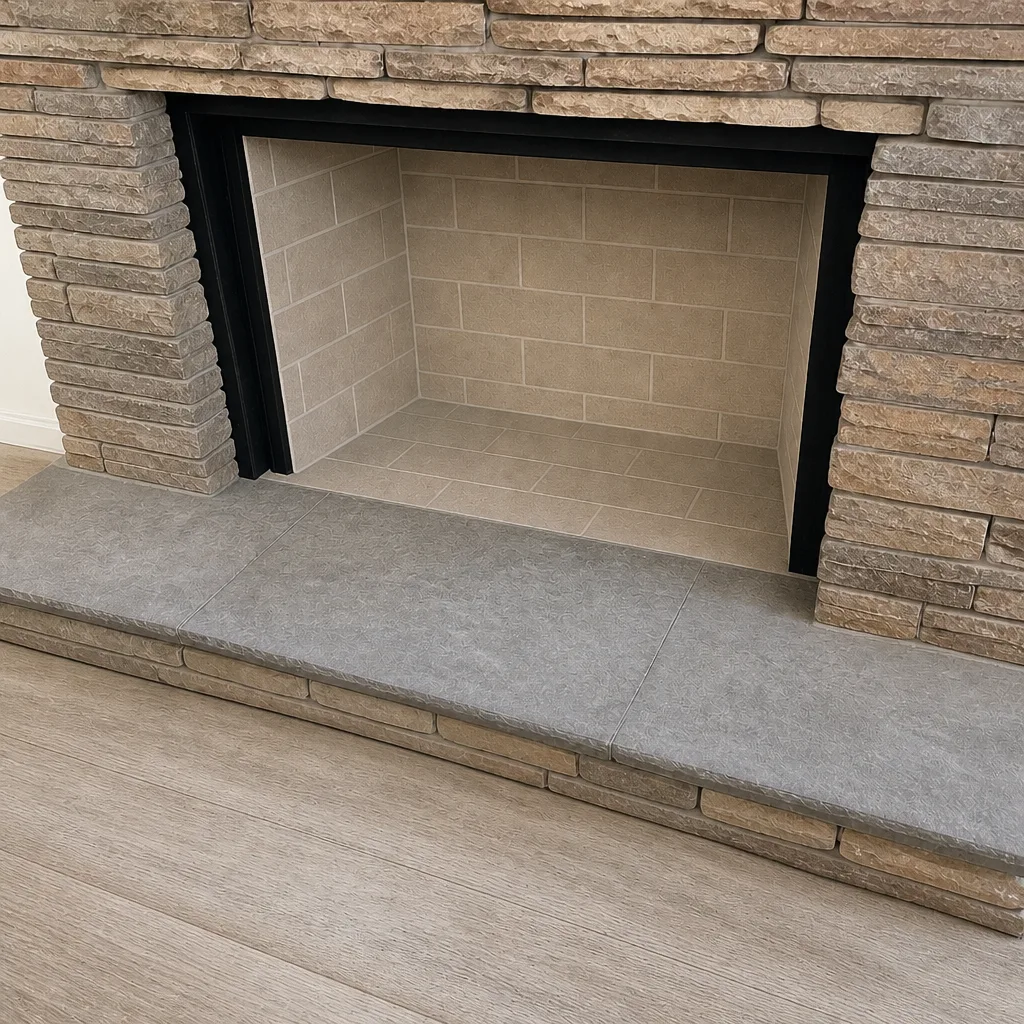
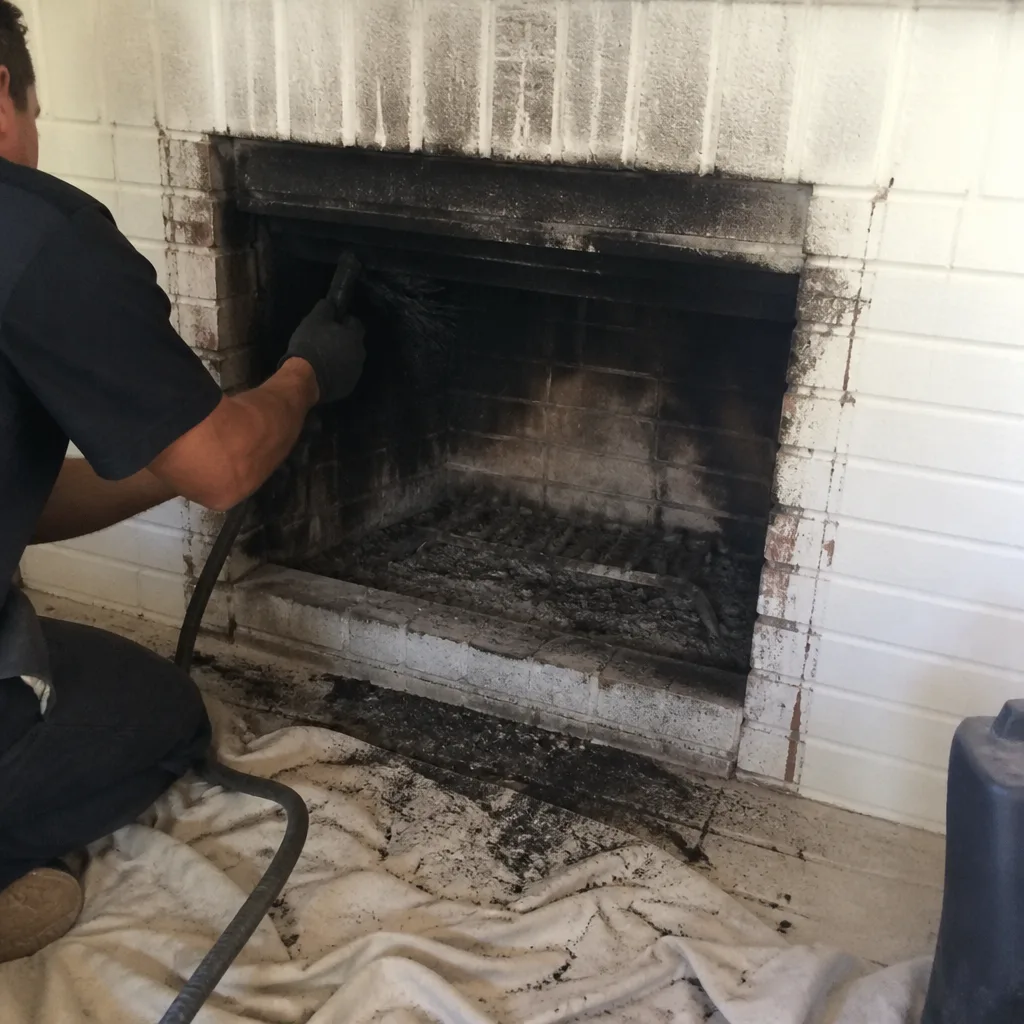
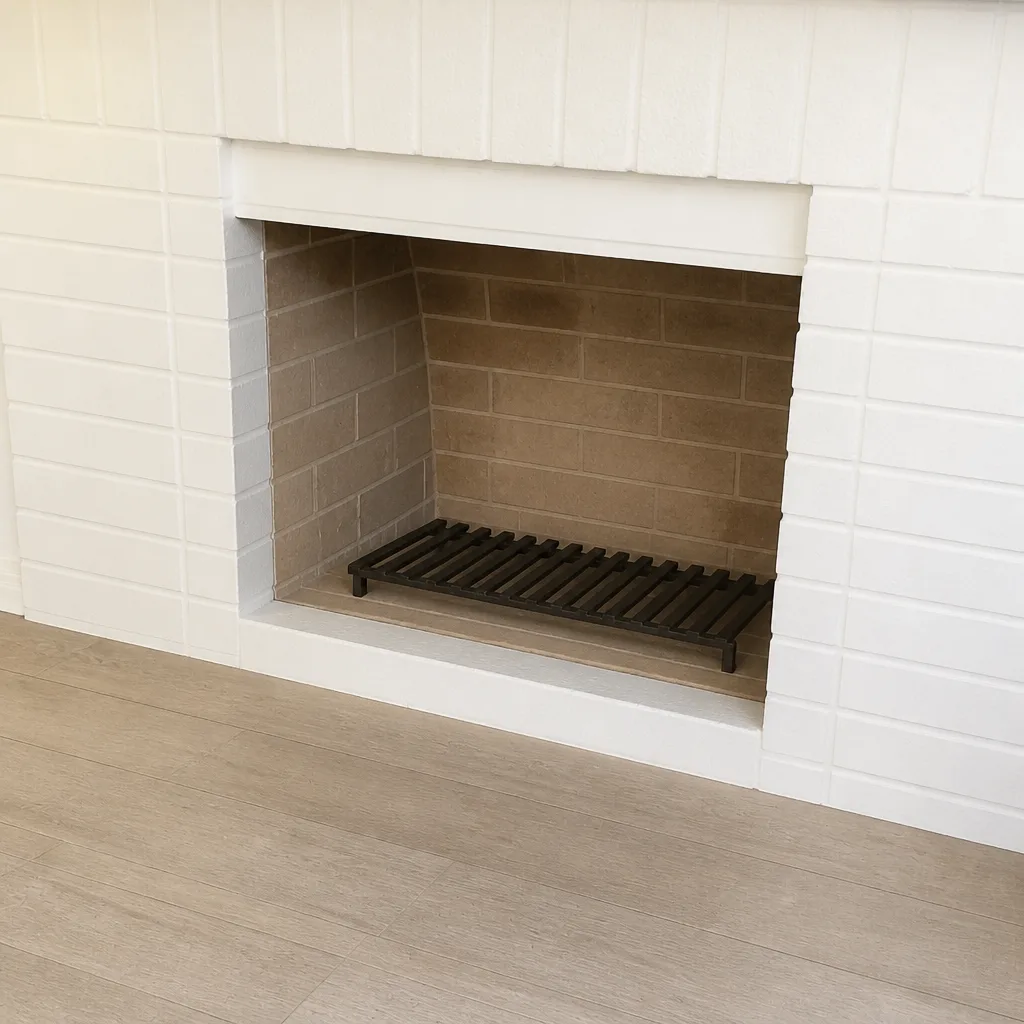
See the difference
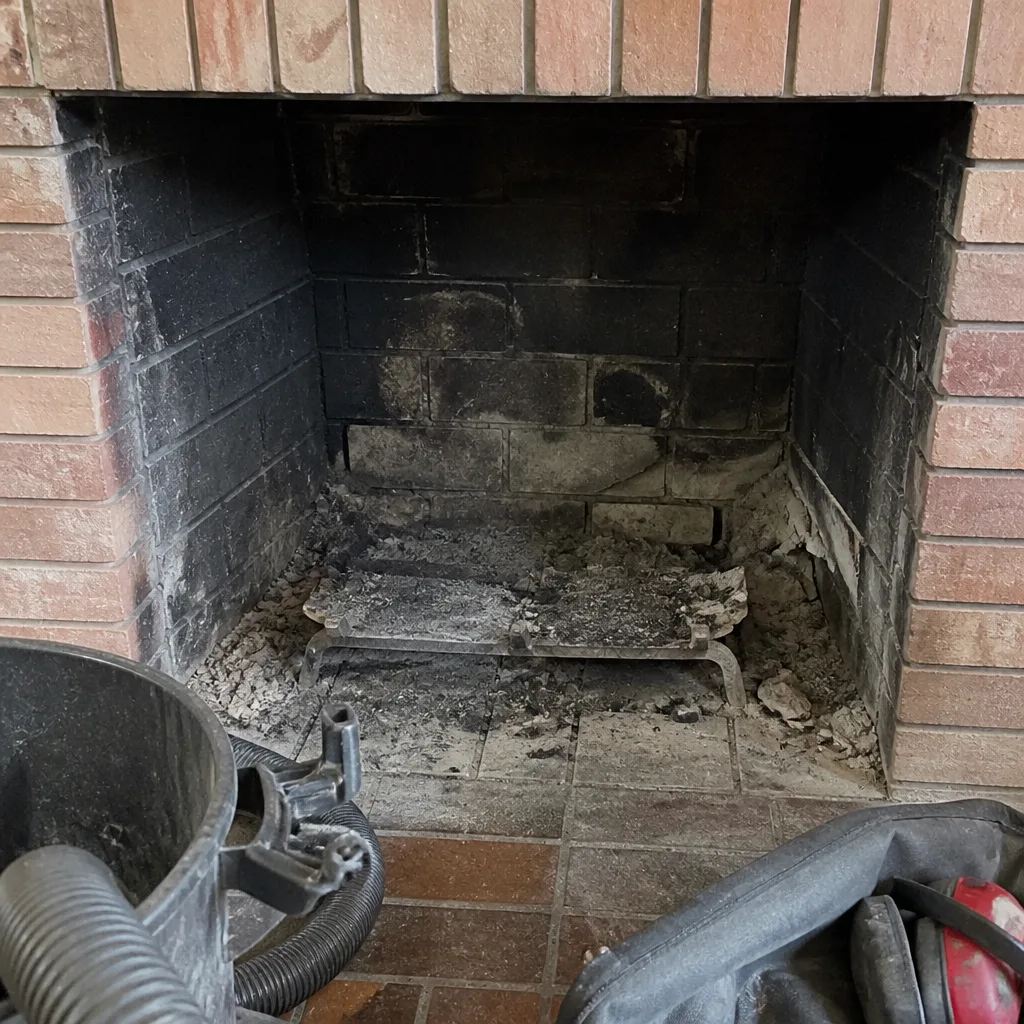 Before
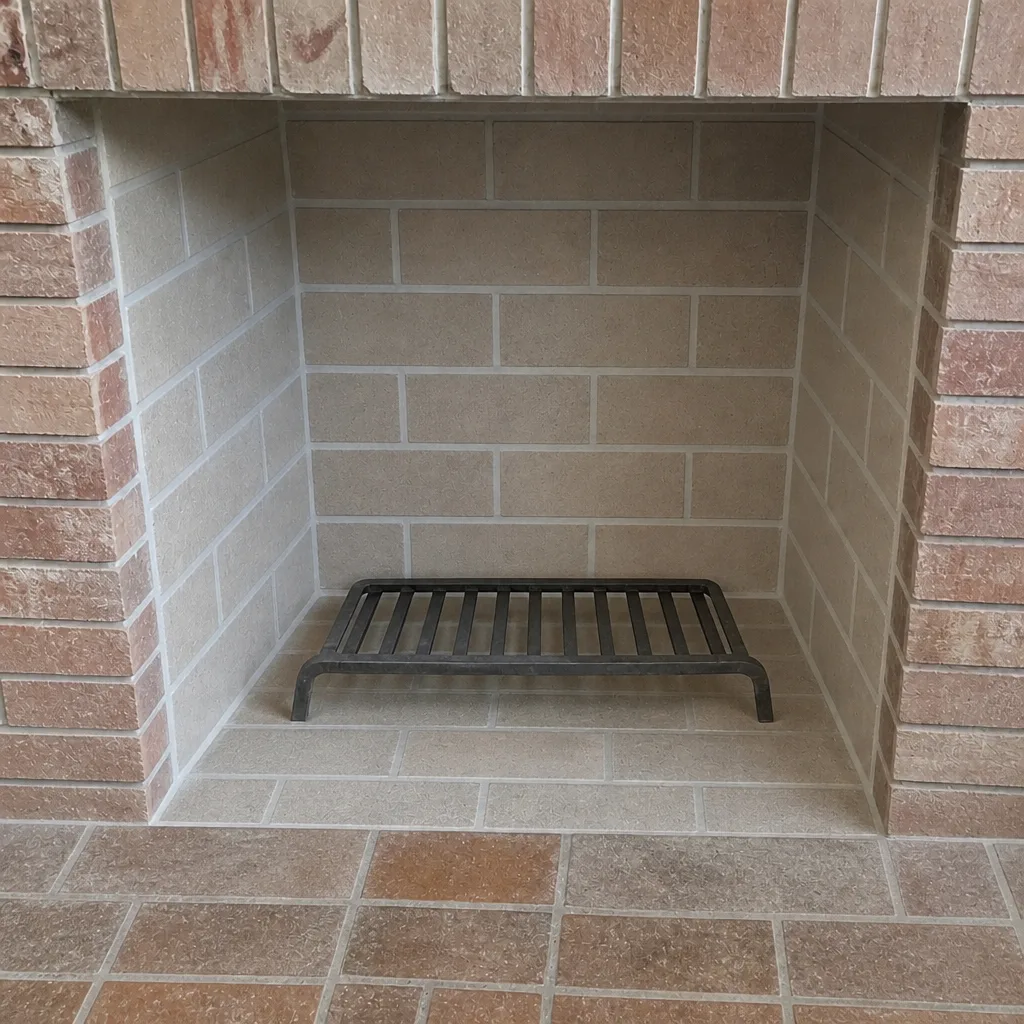 After
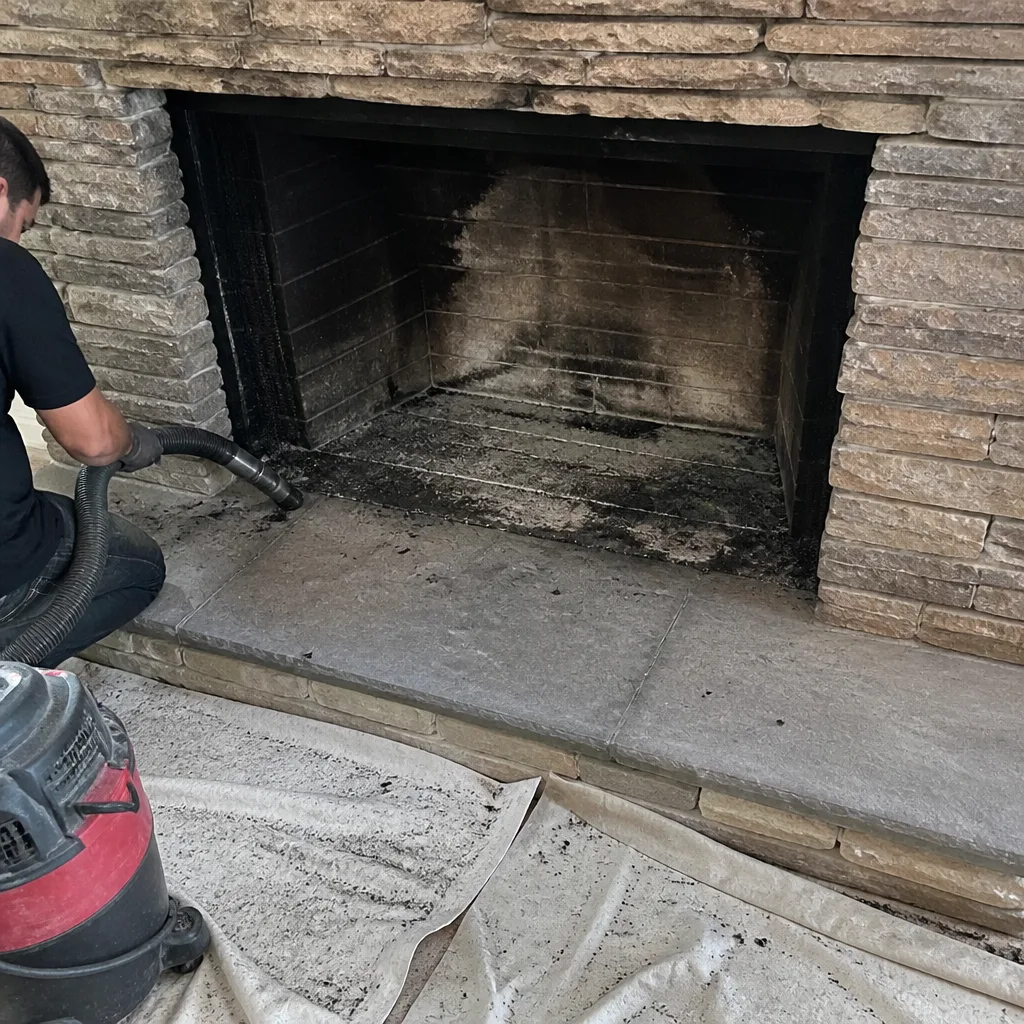 Before
 After
 Before
 After
When to Call a Professional
Call a professional immediately if any of these describe your situation:
- You don’t have a documented inspection of your chimney, or you don’t know when it was last done
- You’ve had a chimney fire, even a small one, or you’ve smelled a hot, acrid odor from the fireplace
- You’ve noticed smoke backing into the room, the damper not opening cleanly, or odor even when the fireplace isn’t in use
- Your chimney has a glazed, shiny coating inside the flue (Stage 2 or Stage 3 creosote)
- Your chimney is on a two-story home, has an offset flue, or has a roofline that would require ladder work above a comfortable single-story height
- The cap is missing, damaged, or the crown is cracked
- You’re buying or selling a home and need a documented inspection
Aliso Viejo Chimney Sweep Pros offers free estimates in Aliso Viejo. We inspect before we sweep, we include the camera and a photo report so you can see what we see, and we tell you when work can safely wait. One crew handles the sweep, the repair, and the cap and crown work end to end. Call (833) 847-7241. We answer 24/7. Fast dispatch from 7am to 7pm, Sunday through Friday.
Frequently Asked Questions
It can be safe under a narrow set of conditions: a professionally inspected and confirmed-undamaged liner, Stage 1 creosote only, a single-story straight flue, the correct brush and rod sizes, a HEPA vacuum, and a homeowner who is genuinely comfortable on a roof. If any of those isn’t true, the safe answer is to book a professional. For an exact assessment of your chimney, call (833) 847-7241 for a free estimate.
A sweep removes soot and loose creosote from the flue. A full-system inspection uses a camera to look at the entire system (firebox, damper, smoke chamber, flue, cap, crown) and produces a written condition report. The inspection is what tells you whether the sweep is even the right service. A sweep without an inspection doesn’t tell you whether the chimney is safe. Call (833) 847-7241 to book an inspection.
You can’t know reliably without a camera inspection or an experienced eye on the flue. Stage 1 is flaky and dusty. Stage 3 is shiny and glazed, and a brush will not remove it. If your chimney has been used for several seasons without inspection, assume it’s at least Stage 2 until someone looks. Call (833) 847-7241 for an inspection.
It can complicate a claim, because insurers look at maintenance history when they assess a fire loss. A documented professional inspection gives you a record of the flue’s condition at a known date; a DIY sweep leaves nothing more than your own word. We can’t speak for any individual policy. Call (833) 847-7241 if you need a documented inspection.
A rod set long enough for your flue, a brush head sized to your exact flue dimension, a HEPA vacuum (not a standard shop vac), drop cloths and sheeting for the hearth, safety glasses, a respirator, and a proper roof ladder if you’re cleaning from the top. That’s the realistic list. If you can’t put all of it together, you’re not in a position to sweep safely. Call (833) 847-7241 for a free estimate on the professional version.
Yes. We handle the sweep, the inspection, structural repair, liner restoration with HeatShield ceramic flue resurfacing where it applies, flexible DuraFlex relining for offset flues, and cap and crown replacement as one continuous service. You don’t get handed off to a second contractor. Call (833) 847-7241 to schedule an inspection and get a written estimate.
The Bottom Line
DIY chimney brushing is a legitimate option for a narrow set of homeowners: single-story, straight flue, Stage 1 creosote only, liner confirmed clean by a prior inspection, and a homeowner with the full equipment and the willingness to be on a roof. Outside those conditions, the honest answer is that a brush pass gives you a clean-looking flue with no information about the parts that actually cause fires. The narrow conditions are strict for a reason. The professional side of the comparison isn’t just “the same job done better”; it’s a different job that includes a camera inspection, a written report, and an assessment of the parts a brush can’t reach. When we recommend a repair, we show you the footage first. When the work can safely wait, we tell you that too. Our technicians have up to 9 years of experience with the systems we work on. If you’re weighing the decision, call (833) 847-7241. We answer 24/7, with fast dispatch from 7am to 7pm, Sunday through Friday.
Written by the team at Aliso Viejo Chimney Sweep Pros.