
Last updated November 25, 2026
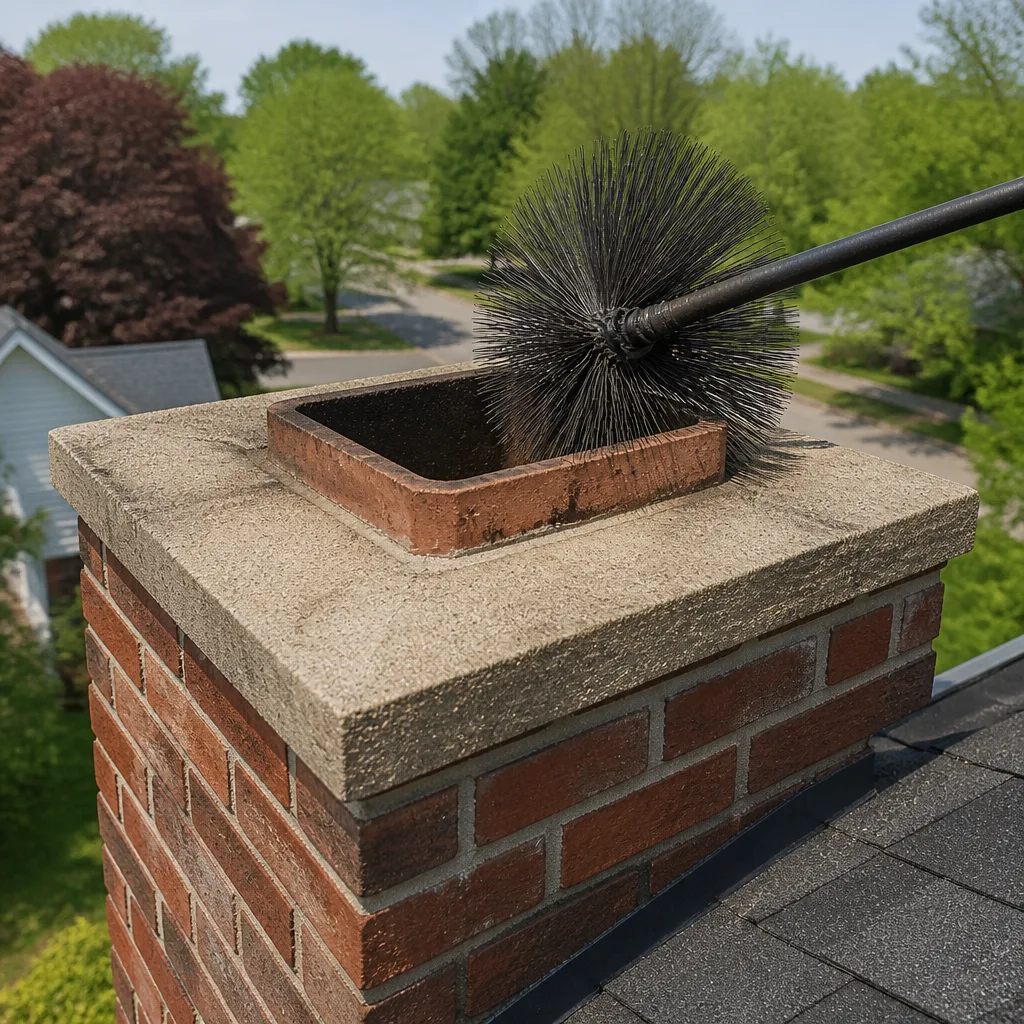 Sweep & inspection
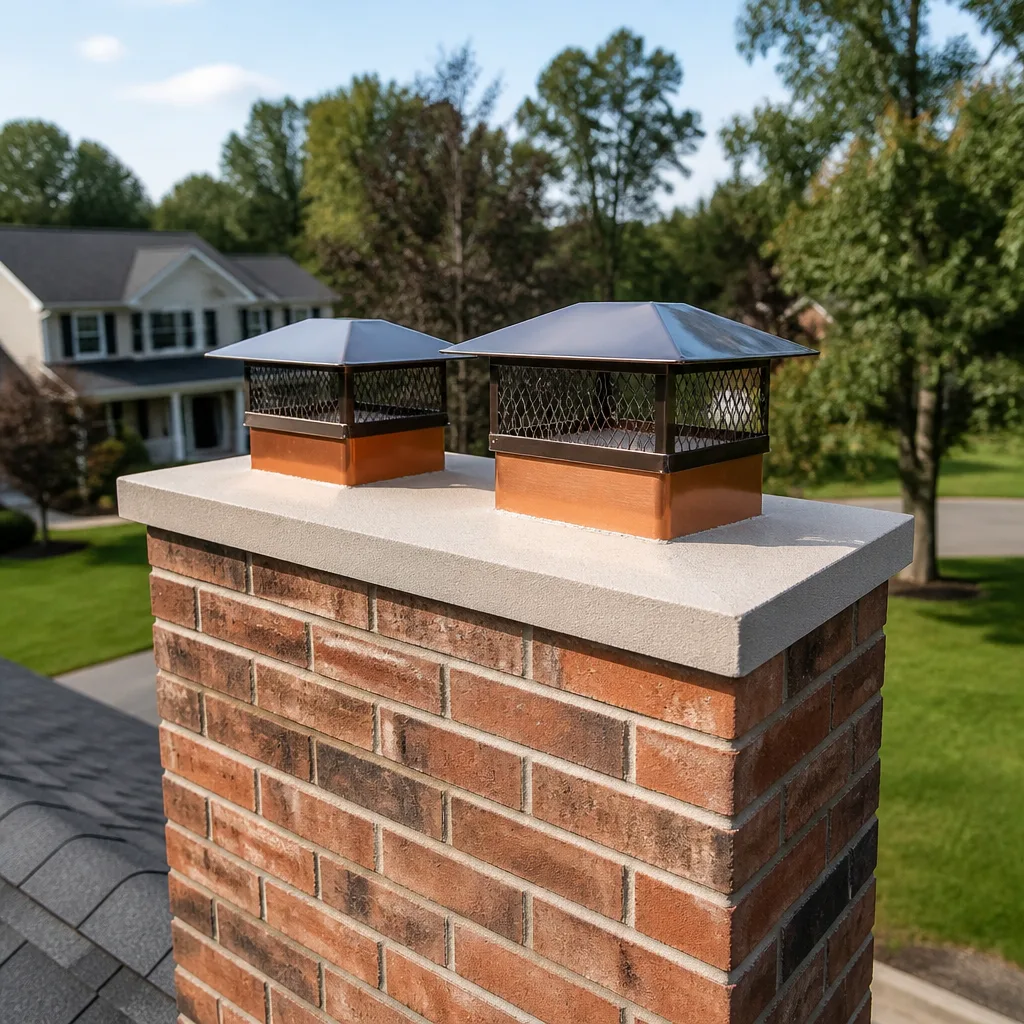 Caps & crowns
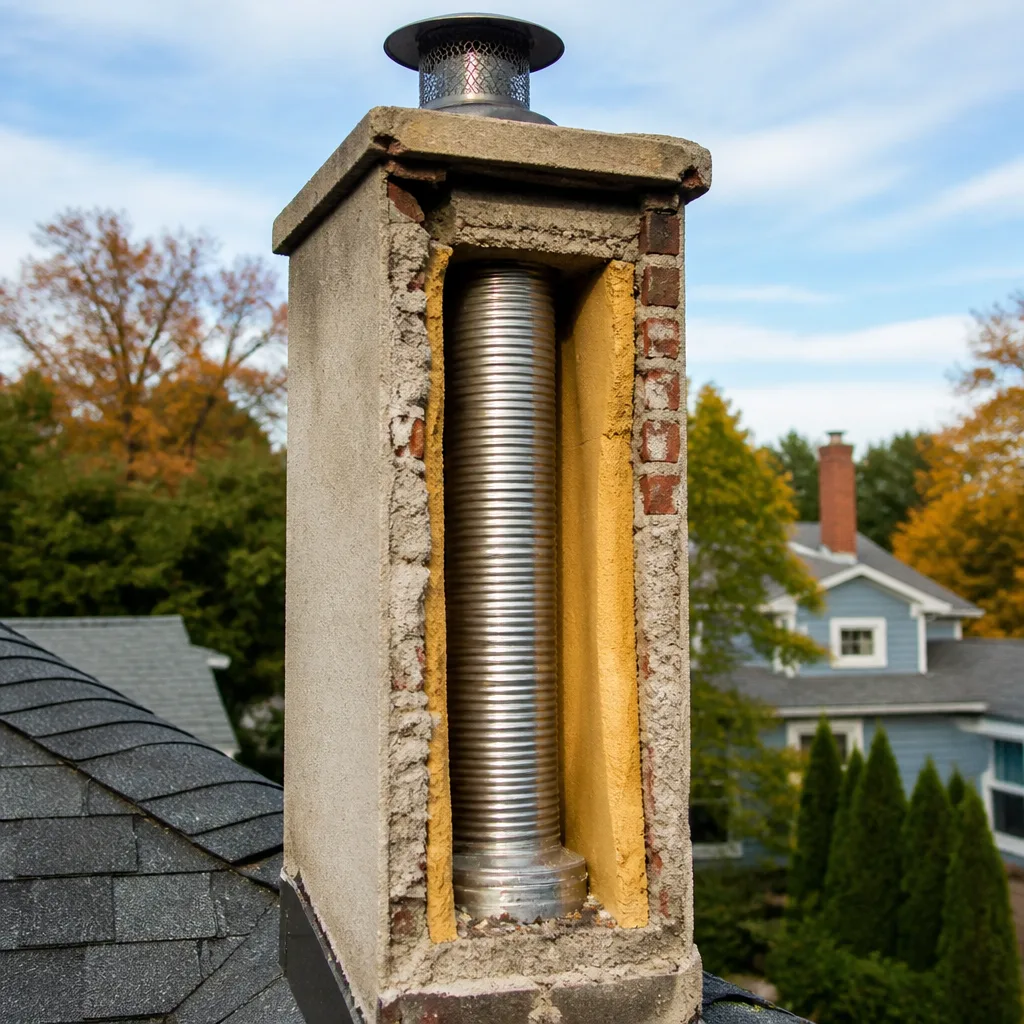 Flue relining
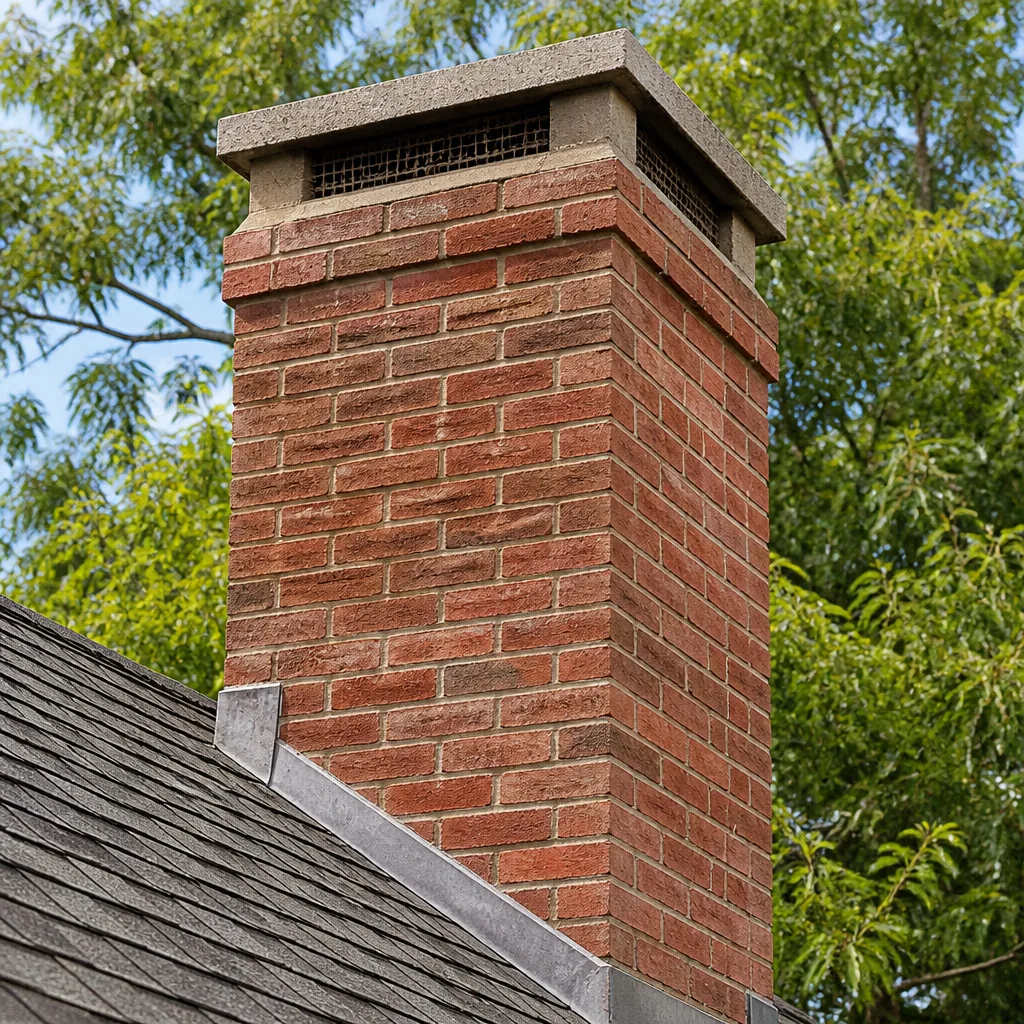 Masonry repair
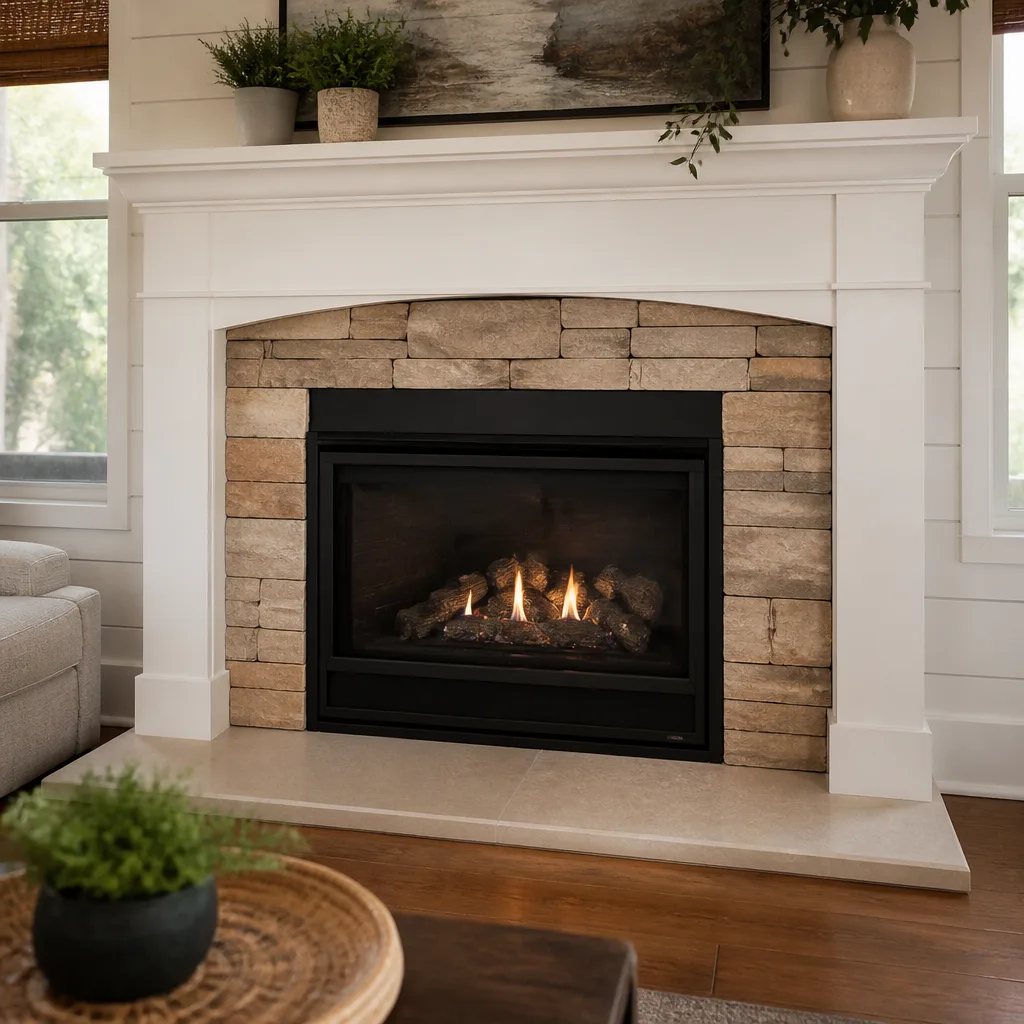 Gas fireplace service
Level 1 sweep and inspection to the NFPA 211 annual standard - flue, crown, cap, and flashing checked and photographed
Chimney sweep logs do not sweep chimneys. They loosen some creosote - which then falls where a brush and vacuum still have to collect it.
How to Hire a Chimney Cleaning Contractor in Aliso Viejo: A Step-by-Step Guide
In California, chimney sweeping is not a licensed trade the way plumbing or electrical work is. That surprises most homeowners. It means anyone with a brush, a ladder and a truck can call themselves a chimney professional in Aliso Viejo, with no mandated training and no state certification to check. The burden of vetting falls entirely on you, the person writing the check. Most hiring guides stop at “ask for references and get three quotes.” That advice won’t tell you whether the person on your roof knows the difference between a cracked crown and a cosmetic stain, or whether they can actually fix what they find. This guide covers the technical questions that separate a full-system specialist from a sweep-only crew, and how to read the answers. You’ll also learn what a real inspection report looks like and when to walk away.
Quick Answer
To hire a chimney cleaning contractor in Aliso Viejo, verify that the company performs a camera inspection before sweeping, provides a written condition report covering the firebox, smoke chamber, flue, crown and flashing, and can handle repair work in-house rather than subcontracting it. Ask what liner materials they work with and how they classify creosote. CSIA certification is a useful baseline, but it’s a floor, not a ceiling. The right contractor will answer technical questions without hesitation and put findings in writing.
Styles & brands we work with
- Sweep & inspection
- Caps & crowns
- Flue relining
- Masonry repair
- Gas fireplace service
Table of Contents
- Why Chimney Work Isn’t Licensed in California
- What CSIA Certification Actually Means (and What It Doesn’t)
- The Five Technical Questions to Ask Before Booking
- Red Flags in Low-Price Sweep Services
- How to Read a Chimney Inspection Report
- The Service Gap That Costs Homeowners More Long-Term
- Why the Materials Matter as Much as the Labor
- Booking the Right Contractor for Your Aliso Viejo Home
Why Chimney Work Isn’t Licensed in California
California does not issue a chimney sweep license. There is no state exam, no apprenticeship requirement, and no bonding standard specific to the trade. A general contractor’s license covers structural work in some cases, but routine sweeping and inspection fall outside that scope. What this means practically is that the phrase “licensed and insured” on a chimney company’s website tells you less than you’d think. The insurance part matters. The licensed part is often borrowed from an adjacent trade or simply means the business has a city business license.
This is the central problem with hiring chimney help in Aliso Viejo. You can’t outsource your judgment to a state database. You have to ask questions and evaluate the answers. In our experience, the contractors worth hiring are the ones who volunteer technical detail before you ask for it. They’ll tell you what type of liner your flue has, whether your smoke chamber has been parged, and what the crown looks like. The ones who lead with price and a promise to “make sure everything’s safe” are the ones to slow down with.
Aliso Viejo adds a local wrinkle. The city has a large stock of homes built during the 1990s and early 2000s boom, many with factory-built fireplaces and metal flue systems rather than traditional masonry chimneys. These systems have specific inspection and cleaning requirements that differ from masonry. A contractor who only works on brick chimneys will miss problems in a prefabricated system. Ask early whether they service both, and whether they know the manufacturer of the fireplace insert or flue in your home.
What CSIA Certification Actually Means (and What It Doesn’t)
CSIA stands for Chimney Safety Institute of America. The CSIA Certified Chimney Sweep credential requires passing a written exam, agreeing to a code of ethics, and completing continuing education to maintain the certification. For homeowners, it’s a legitimate signal that the person on your roof has demonstrated baseline knowledge of chimney construction, venting and safety. It’s the closest thing to a standard the trade has.
But certification is a floor, not a ceiling. Here’s what it doesn’t tell you:
- It doesn’t tell you whether the company performs camera inspections or just a visual look with a flashlight.
- It doesn’t tell you whether the contractor can do structural repair, relining or crown work, or whether they’ll refer that to someone else.
- It doesn’t tell you which liner brands and materials they use, or whether those products are professional-grade.
- It doesn’t tell you how the company handles creosote classification or whether they’ll put a condition report in writing.
- It doesn’t tell you whether the certification is held by the person who shows up or by a name on the website.
Ask directly: “Is the person coming to my Aliso Viejo home CSIA certified, and can I see the certificate or verify the number?” A company that can answer that plainly is generally the one that takes the rest of the work seriously too. In our experience, the certification matters most as an indication of how a contractor thinks about the trade, not as a substitute for the technical questions below.
The Five Technical Questions to Ask Before Booking
These are the questions most hiring guides skip. They’re the ones that reveal whether you’re talking to a full-system specialist or a sweep-only crew. Ask all five before you book. If a contractor can’t answer two or more clearly, that’s your answer.
- What liner material do you work with, and how do you decide? A contractor who works only with one generic flexible liner may be fine, but they’ll miss cases where a different material or a resurfacing system is the better fit. We work with DuraFlex flexible liner systems for flues with bends or offsets, and HeatShield ceramic flue resurfacing for deteriorating interiors that don’t yet need full replacement. The right answer isn’t a brand name. It’s an explanation of why one material fits a given flue configuration.
- How do you inspect, and do I get to see what you see? A camera inspection reaches the smoke chamber, the flue liner joints and the crown from the inside. Ask whether the camera is part of the standard inspection and whether you’ll receive photos. A contractor who inspects visually only and declines photos is asking you to trust the most expensive part of the decision to a glance from the roof.
- How do you classify creosote? The trade recognizes three degrees: stage 1 is soot and light fluff, stage 2 is glazed and crusty, stage 3 is hardened and tar-like. Stage 3 requires more than a standard brush and calls for chemical treatment or mechanical removal by a trained technician. Ask which stages they encounter most and how they handle stage 3. A vague answer here usually means they brush and move on.
- Do you inspect the flashing, and how? Flashing is the seal where the chimney meets the roof. It’s the most common source of water intrusion in Aliso Viejo’s mild, occasionally wet winters, and it’s routinely skipped by sweep-only services. Ask whether the flashing is checked and whether the crown is checked for cracks at the same time. The answer should include both.
- Can you do the repair yourself, or will you hand it off? Sweeping is one thing. Relining, crown replacement and smoke chamber parging are another. A contractor who declines repair work and refers you elsewhere creates a gap you’ll have to manage yourself, with no assurance the findings transfer cleanly. Ask what repair work they handle in-house and what they don’t.
Red Flags in Low-Price Sweep Services
Price alone isn’t a red flag. A low price with no inspection and no written report is. The pattern usually looks the same: a coupon or an unusually low flat rate, a quick brush down the flue, a verbal “you’re all set,” and a bill before you’ve had a chance to think. Here’s what to watch for in Aliso Viejo and anywhere else.
- No camera inspection. A visual look with a flashlight from the firebox and the roof is not an inspection. It misses smoke chamber problems, liner gaps and crown cracks that a camera catches.
- No written condition report. If the findings stay in the technician’s head or on a clipboard you never see, you have no record for the next contractor and no way to track changes over time.
- No mention of the smoke chamber or crown. These are two of the most common failure points in a chimney system. A contractor who talks only about the flue and the firebox is skipping the parts that cause the most expensive repairs.
- Pushing a liner replacement on the first visit with no visible evidence. Relining is sometimes the right call. But you should be shown why, with photos and a clear explanation, before you commit to it.
- No clear answer on materials. If you ask which liner brand they use and the answer is “the best one,” keep asking.
- Reluctance to put the price in writing before the work begins. You should know the scope and the cost before a brush leaves the truck.
- No mention of annual inspection or ongoing condition tracking. A chimney that’s swept once and never inspected again is a chimney with a short memory.
For a deeper look at what a proper annual sweep involves, see our page on chimney sweep service and what it includes in a full-system visit.
How to Read a Chimney Inspection Report
A vague report is nearly as useless as no report. The difference between a contractor who hands you a one-page “chimney is clear” note and one who gives you a component-by-component condition summary tells you almost everything about how they work. Here’s what a detailed report should cover, and what a thin one leaves out.
- Firebox and damper: condition of the firebox walls, damper operation, and any cracks or gaps in the mortar joints.
- Smoke chamber: whether it’s been parged or left rough, and whether there’s a shelf where creosote and debris collect. This is where many companies stop short.
- Flue and liner: the liner type (masonry, clay tile, or metal), any gaps, cracks or offsets, and the results of the camera inspection.
- Crown: cracks, separation from the flue, and whether water can get in.
- Flashing: how the seal is holding at the roof penetration, and whether there are signs of past or active leaks.
- Creosote classification: the stage found, and whether treatment beyond a standard sweep was required.
- Recommended actions, with priority: what can wait, what should be done before the next burning season, and what needs attention now.
A thin report sticks to “swept, no issues.” A detailed one tells you what the technician saw, shows photos, and separates urgent findings from maintenance items. If a report recommends thousands of dollars in liner or masonry work on the first visit and doesn’t show you the evidence, ask for the photos. A contractor who did a camera inspection will have them. One who didn’t, won’t. For context on what repair work typically involves, our chimney repair page walks through the common findings and what each one means.
The Service Gap That Costs Homeowners More Long-Term
Here’s the problem with hiring a sweep-only company. The sweep finds something, writes it off as “not our scope,” and hands you a referral. Now you have to hire a second contractor, who may or may not agree with the first one’s findings, and who has no incentive to preserve anything the first contractor did. The two jobs don’t connect, and you’re paying for two inspections, two sets of scheduling, and two separate conversations about what’s actually wrong.
This gap is especially costly in Aliso Viejo because of the housing stock. Homes from the 1990s and early 2000s often have factory-built fireplaces with metal flues that need specific liner and cap work when they fail. A sweep-only crew may identify the problem and refer it out. A full-system specialist can identify it and fix it in the same scope, using the same inspection evidence and the same understanding of the home.
What “full-system” means in practice:
- Inspection and sweeping by the same team that will handle any repair findings.
- Cap and crown work to protect what the repair fixes, which is where most referrals break down.
- Liner work using materials chosen for the specific flue configuration, including flues with bends or offsets where a standard rigid liner won’t fit.
- Smoke chamber parging where the chamber is rough or damaged, often as an alternative to more invasive work.
- Ongoing condition tracking so the next inspection builds on the last one instead of starting from scratch.
We handle the sweep, the repair and the cap and crown work under one roof so you’re not managing handoffs between contractors. If the inspection turns up a repair, you get the written scope and the pricing from the same company that did the inspection.
Why the Materials Matter as Much as the Labor
You can’t see the liner once it’s installed, which is exactly why the material choice matters. A flexible liner made from a thinner alloy, or a resurfacing product that isn’t rated for the temperature cycles a fireplace actually goes through, can fail sooner than the labor that installed it. When you ask a contractor what they use, the answer tells you whether they’re selecting for durability or for the lowest bid.
We work with a curated set of professional-grade suppliers so the material choice fits the job rather than the other way around. DuraFlex flexible liner systems are useful for relining flues with complex bends or offsets, which a rigid liner can’t navigate. HeatShield ceramic flue resurfacing is a restoration option for deteriorating flue interiors that don’t need full replacement, a repair path many chimney companies can’t offer. Gelco and Olympia Chimney supply the components and accessories that round out a proper installation. These aren’t the only names in the trade, but they’re the ones we trust for work that has to last.
Ask any contractor in Aliso Viejo what happens if the liner they install doesn’t fit or fails early. The answer should include the product warranty and the company’s own follow-up, not just a shrug. The Aliso Viejo Chimney Sweep Pros approach is to name the material and explain the reason, so you know what’s going into your home before it goes in.
Booking the Right Contractor for Your Aliso Viejo Home
Once you’ve asked the five questions and checked the red flags, the booking process itself should be simple. The contractor should give you a written scope and a price before the work begins, confirm whether the inspection is camera-based, and tell you who will actually be on site. In Aliso Viejo, that’s usually a single technician for a standard sweep and a second visit for any repair the inspection identifies, depending on the scope.
Ask what happens if the inspection turns up something that wasn’t in the original quote. A contractor who handles repair work in-house can usually fold it into the same relationship, with a new written scope and price. A sweep-only crew will hand you a referral. That’s the difference the earlier sections keep circling back to: the questions you ask before booking determine whether the next conversation is a handoff or a fix.
If you’re not sure whether your fireplace is due, our fireplace repair page covers the common signs that a fireplace or insert needs attention, from a sticking damper to cracks in the firebox. And if you’re comparing services, ask each one whether they can do cap and crown work as part of the same scope. If the answer is no, you’ve found the gap before it costs you.
Common Mistakes to Avoid
- Hiring on price alone. A low flat rate is fine if the scope includes a camera inspection and a written report. If it doesn’t, the low price is buying you a brush and a guess.
- Skipping the smoke chamber question. Most sweep-only services never look at the smoke chamber, which is where creosote and debris collect and where parging is often needed. Ask specifically whether it’s inspected.
- Assuming “licensed and insured” means licensed in chimney work. California doesn’t license the trade. The insurance matters; the license language usually refers to a business license or an adjacent trade.
- Accepting a liner recommendation without photos. Relining is sometimes necessary, but you should be shown the evidence from the camera inspection before you commit.
- Treating the inspection as a one-time event. In Aliso Viejo’s mild climate, chimneys can go long stretches without a burn, which lets small cracks and gaps sit unnoticed. Annual inspection catches them before they become repairs.
- Ignoring the crown and flashing. These are the parts most exposed to water intrusion, and the parts most often skipped. Ask what condition they’re in as part of every inspection.
- Letting one contractor inspect and another repair. The findings should carry straight into the repair scope, with the same evidence and the same accountability.
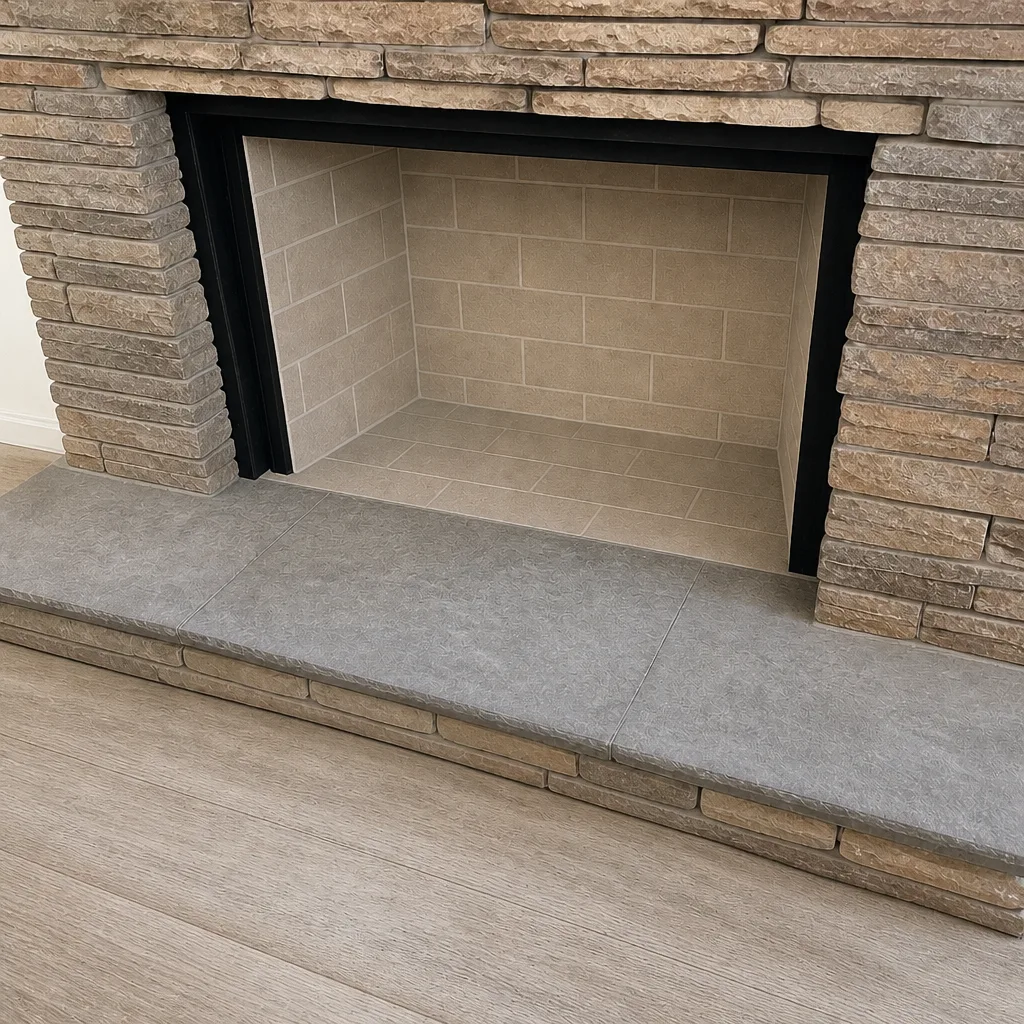
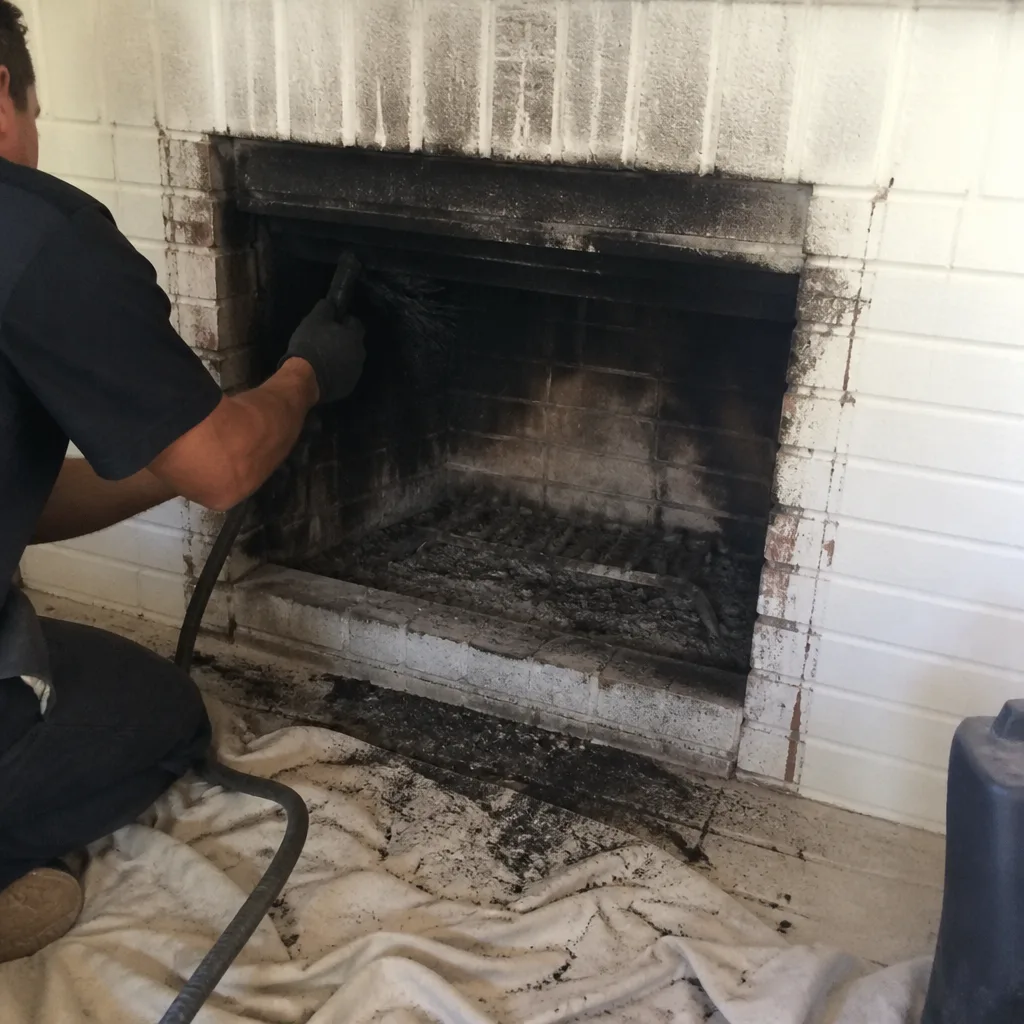
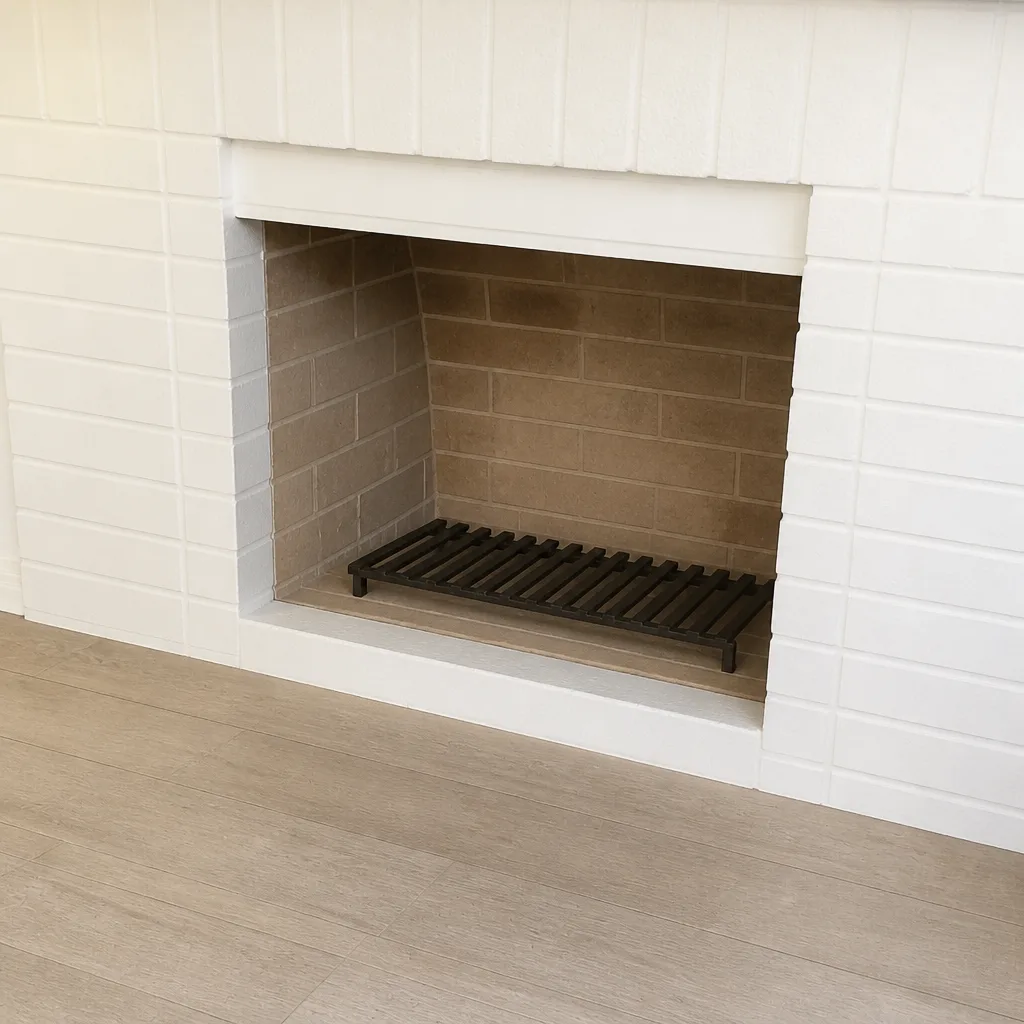
See the difference
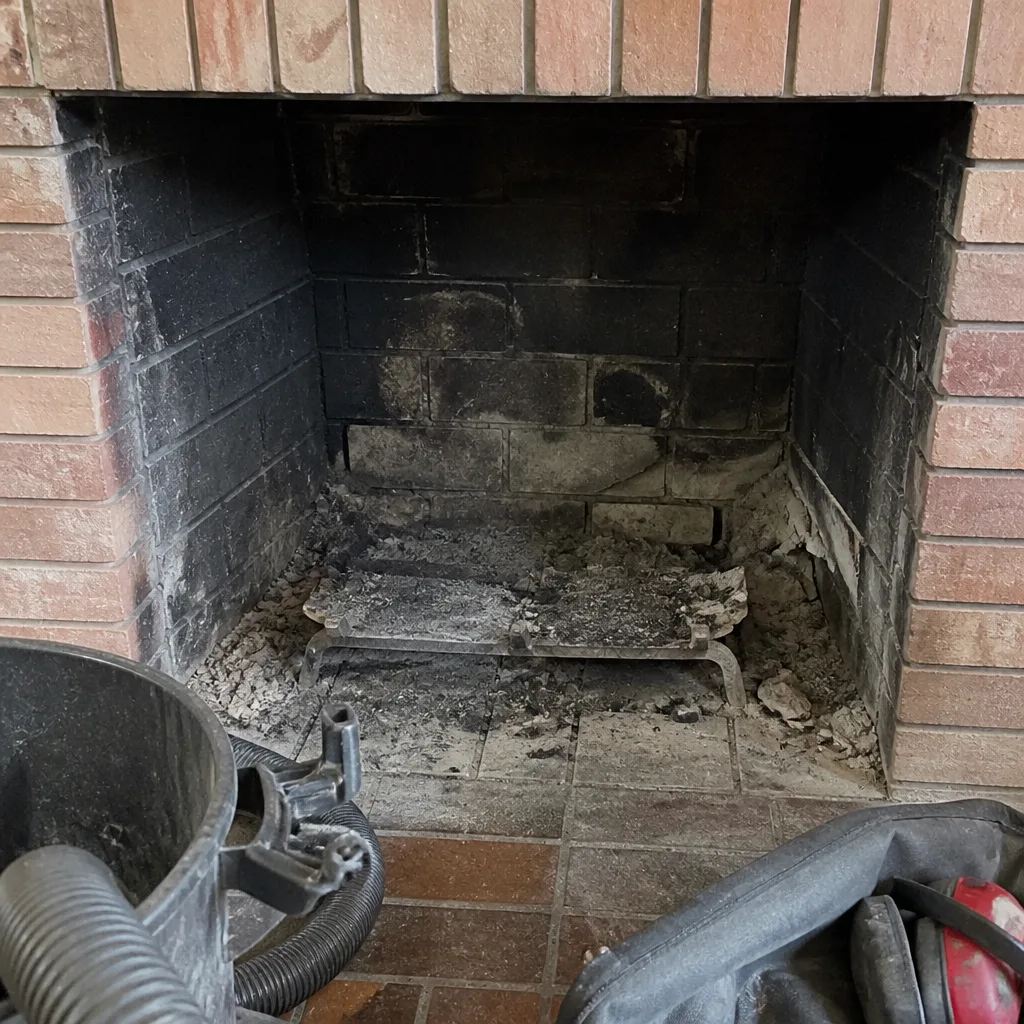 Before
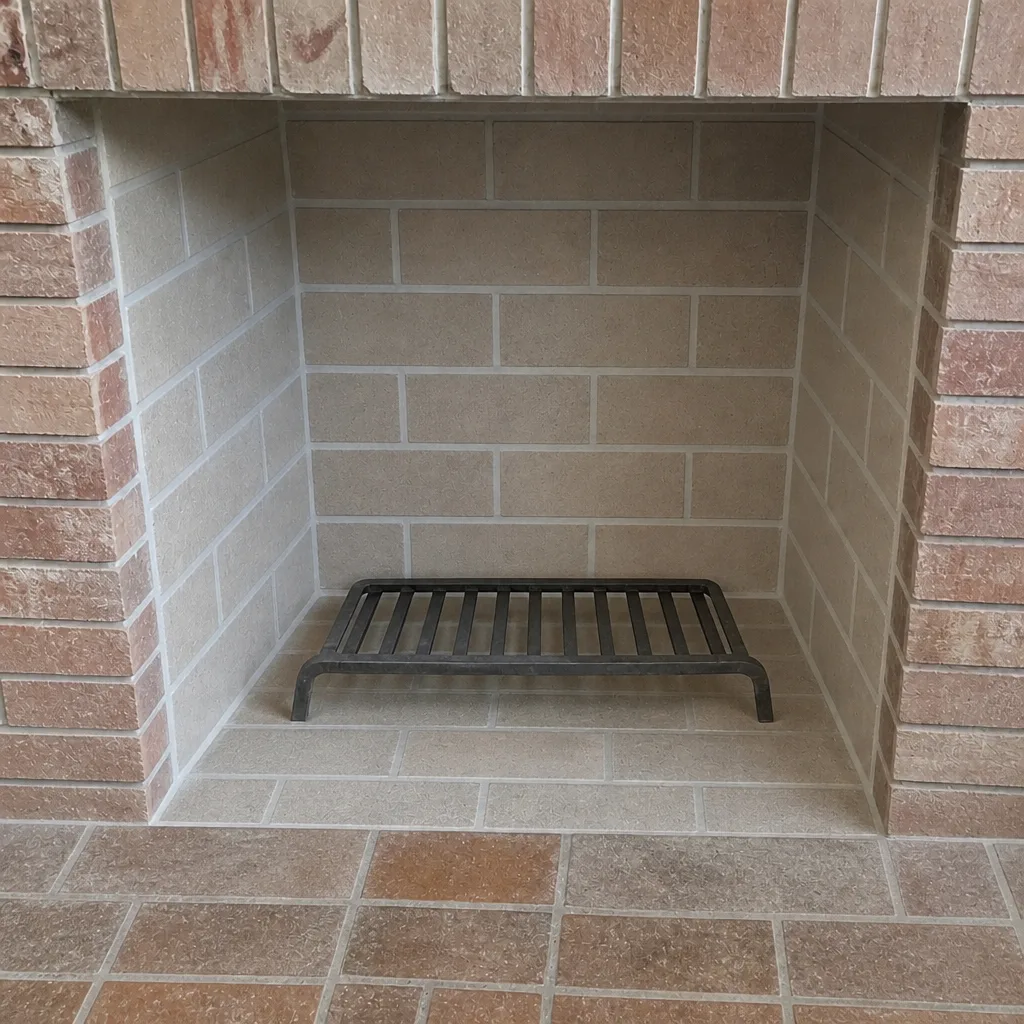 After
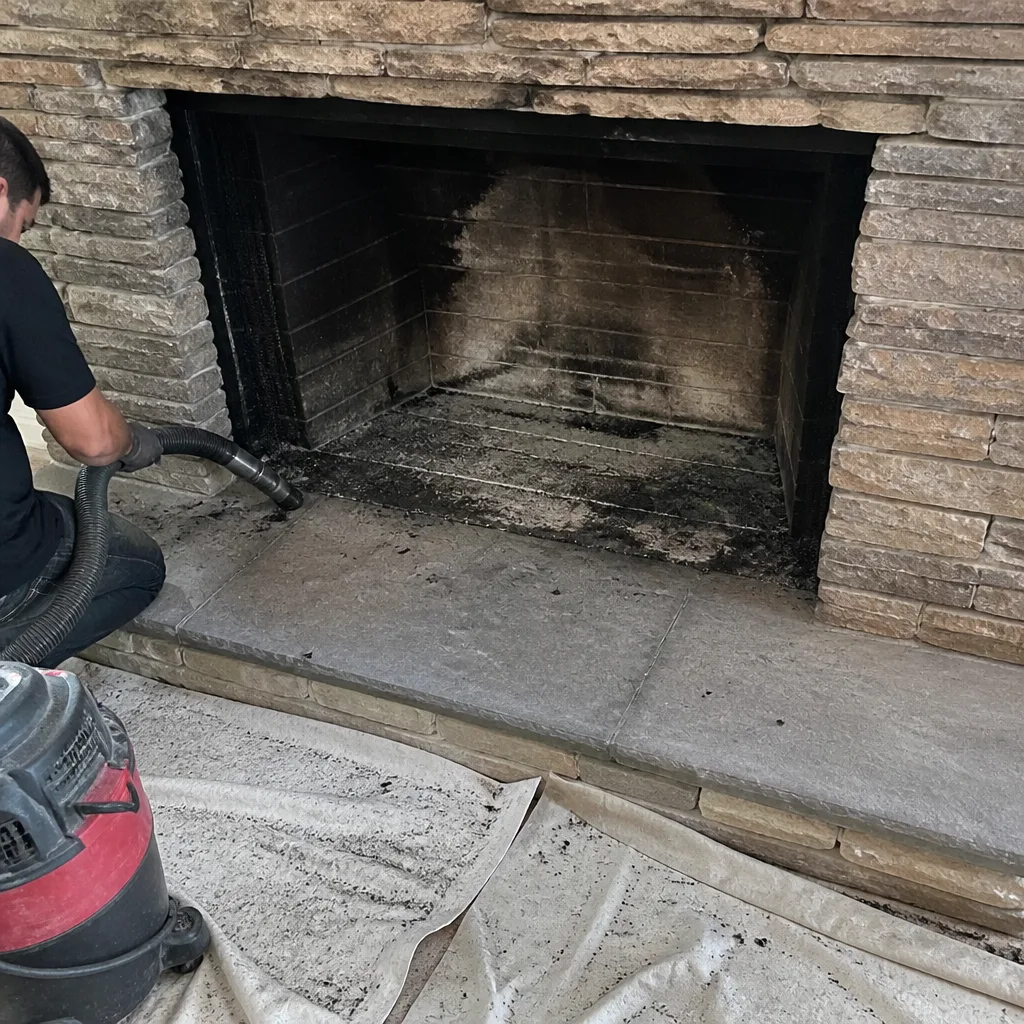 Before
 After
 Before
 After
When to Call a Professional
Some chimney work is clearly a job for a trained professional and shouldn’t be a weekend project. If you smell smoke in the room when the fireplace is burning, if you see cracks in the firebox or the flue liner, if the crown is cracked or pulling away from the chimney, or if you haven’t had the chimney inspected in more than a year of regular use, call a professional. These are the situations where a visual check from the ground can’t tell you what’s happening inside the flue. A camera inspection can.
Aliso Viejo Chimney Sweep Pros offers free estimates in Aliso Viejo. Call (833) 847-7241. We answer 24/7. Fast dispatch from 7am to 7pm, Sunday through Friday. Our technicians have up to 9 years of experience, and the estimate is free, with the price set per job by the written estimate.
Frequently Asked Questions
A standard chimney sweep in Aliso Viejo is typically priced per job based on the scope, so the number depends on whether a camera inspection and written report are included. A sweep-only visit costs less than a full-system inspection, but it also tells you less. Call (833) 847-7241 for an exact quote. Estimates are free, and the written estimate sets the final price.
Yes, if you want to know the condition of the parts you can’t see. A camera inspection reaches the smoke chamber, the liner joints and the crown from the inside, and it gives you photos to look at. A visual check from the firebox and the roof misses things a camera catches. Ask for the photos as part of the report.
The trade standard is annual inspection, with a sweep when the inspection shows enough creosote to warrant it. Homes that burn regularly may need a sweep every year. Homes that burn occasionally may go longer between sweeps but should still be inspected annually. Call (833) 847-7241 to book an inspection and find out where your chimney stands.
Creosote builds up in the flue with every fire, and at higher stages it’s harder to remove and more likely to cause a chimney fire. Beyond creosote, skipped inspections let cracks in the liner, crown and flashing go unnoticed until water or smoke finds a path into the house. None of that means a problem exists today, but an inspection is how you find out. Call (833) 847-7241 for an estimate.
No. California doesn’t license chimney sweeps, and CSIA certification is voluntary. That said, it’s a useful baseline because it shows the technician passed a knowledge exam and maintains continuing education. It’s a floor, not a ceiling. Ask the five technical questions in this guide regardless of certification.
Some can, and some can’t. A full-system specialist handles sweeping, inspection, relining, crown and cap work and smoke chamber parging in-house, so the findings flow straight into the repair scope. A sweep-only crew will refer the repair out. Ask what they handle in-house before you book. Call (833) 847-7241 to talk through your Aliso Viejo home.
The Bottom Line
Hiring a chimney contractor in Aliso Viejo comes down to the questions you ask before anyone shows up. Verify that the inspection is camera-based and the report is written. Ask about liner materials, creosote classification, flashing and crown scope, and repair capability. Treat CSIA certification as a useful baseline rather than a guarantee. Watch for low-price sweeps that skip the smoke chamber and the crown, and prefer a company that can handle the repair as well as the sweep so you’re not managing handoffs between contractors. Do that, and you’ll know exactly what’s going into your home and why. Call (833) 847-7241 for a free estimate. We answer 24/7. Fast dispatch from 7am to 7pm, Sunday through Friday.
Written by the team at Aliso Viejo Chimney Sweep Pros.