
Last updated November 25, 2026
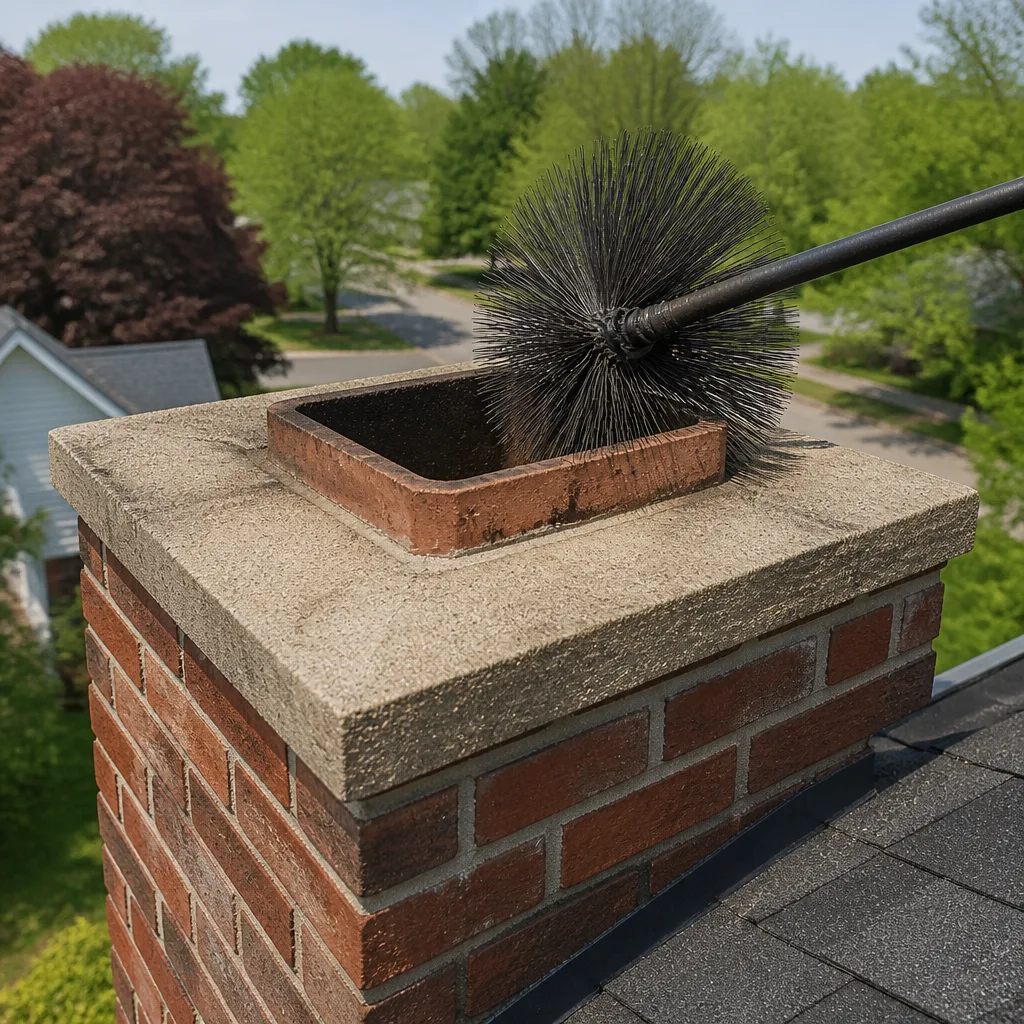 Sweep & inspection
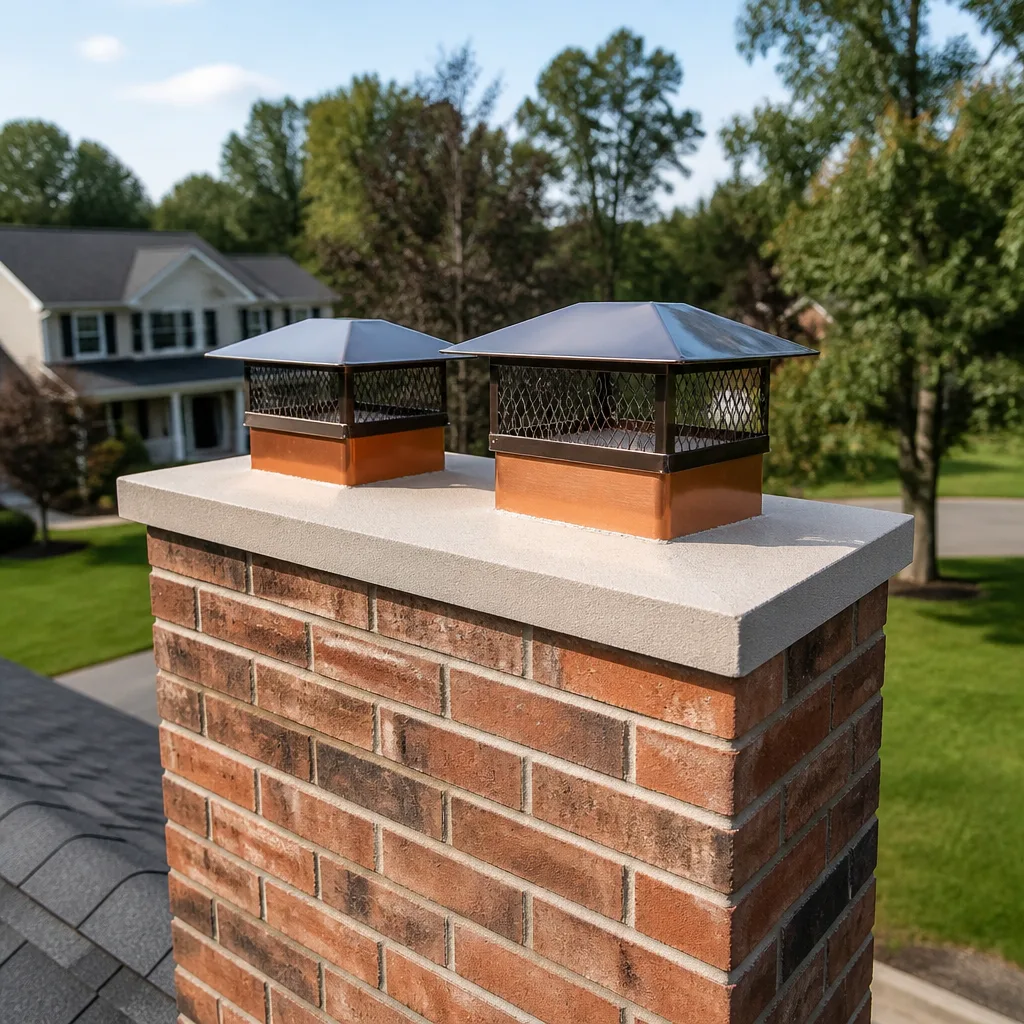 Caps & crowns
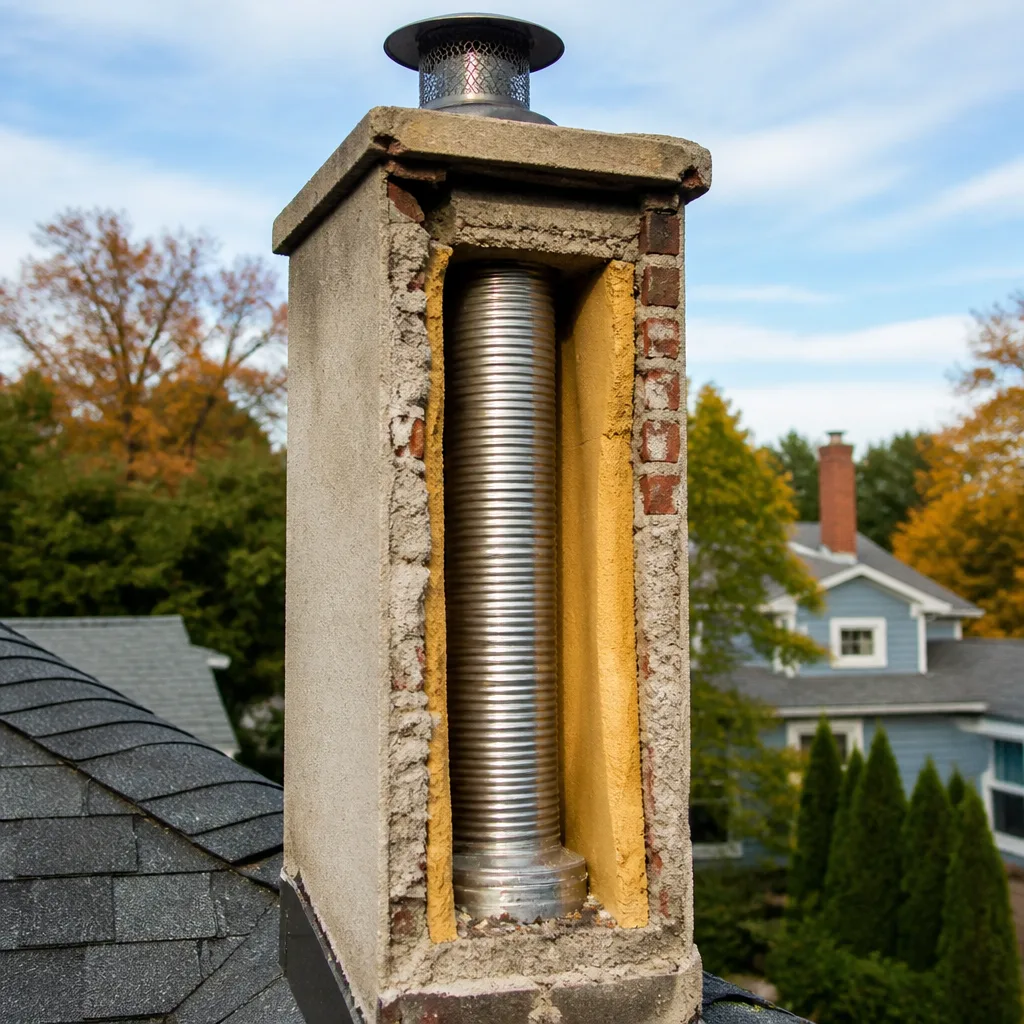 Flue relining
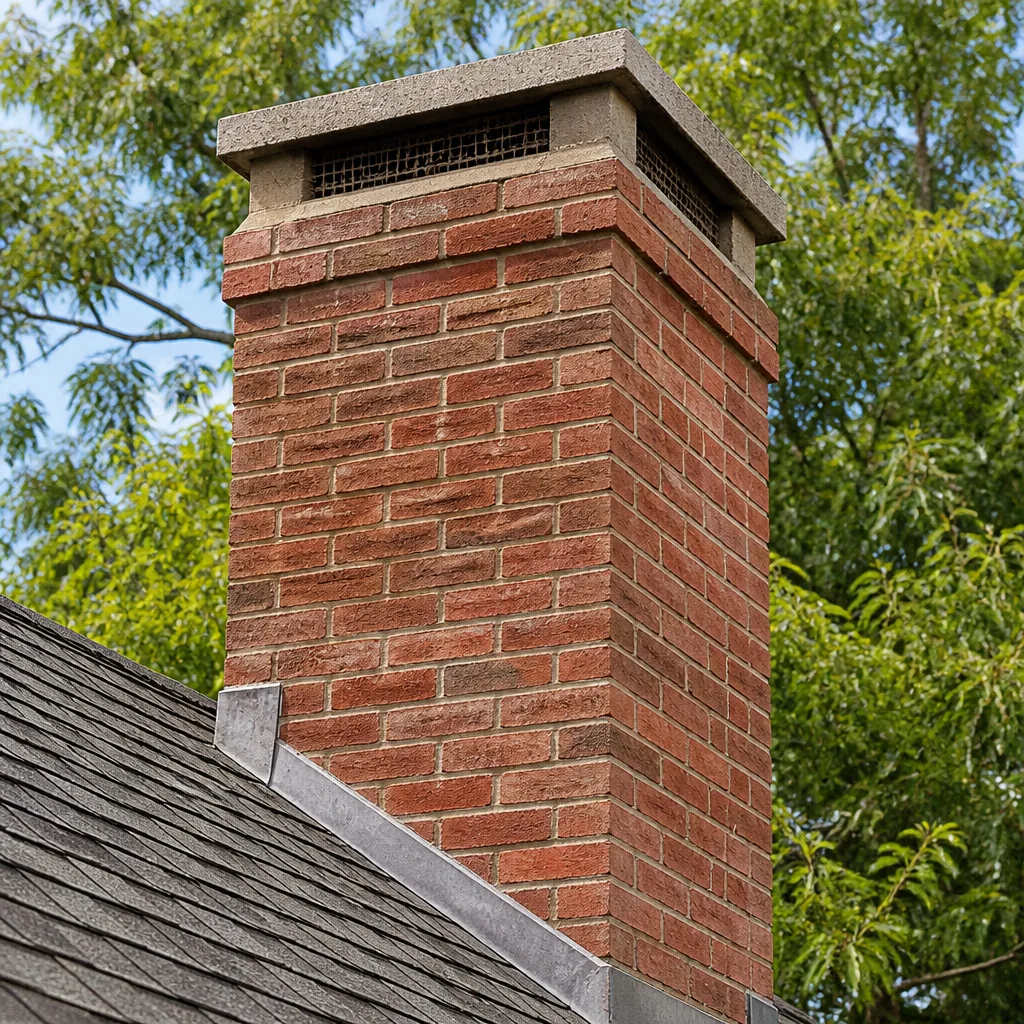 Masonry repair
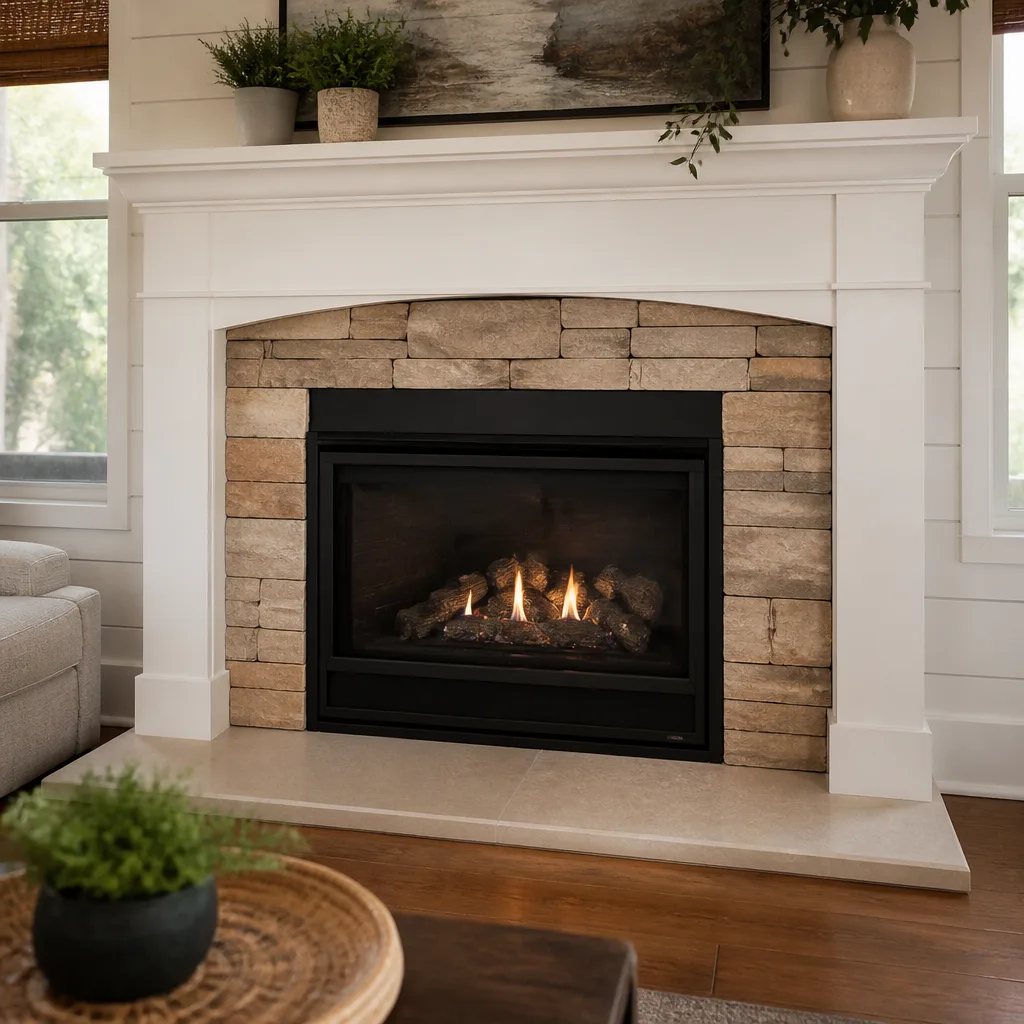 Gas fireplace service
Level 1 sweep and inspection to the NFPA 211 annual standard - flue, crown, cap, and flashing checked and photographed
Chimney sweep logs do not sweep chimneys. They loosen some creosote - which then falls where a brush and vacuum still have to collect it.
Chimney Cleaning Emergency Preparedness Guide for Aliso Viejo Homes
Most homeowners treat a chimney sweep as seasonal housekeeping, something to get around to before the first fire of the year. The opposite framing is more accurate for anyone living in Aliso Viejo. A chimney system is an opening in your roofline that either keeps embers and smoke out or lets them in, and its condition matters most in the days before and after a wildfire event. During an ember storm, an uncapped flue or a torn spark screen becomes a direct pathway into the interior of a home, and ember intrusion is one of the documented ways fire moves between structures in California communities. This guide covers what readiness actually looks like: cap and screen specifications, creosote load, post-event inspection, what to do during a chimney fire, and how draft and liner integrity tie into carbon monoxide risk during power outages. By the end you’ll know exactly which parts of your system to check and when to bring in a professional.
Quick Answer
Chimney emergency preparedness in Aliso Viejo means three things: a properly fitted cap with a spark arrestor rated for high-fire-risk zones, a flue cleaned of creosote before Santa Ana wind season, and a full-system inspection that confirms the liner, crown and flashing are intact. A capped, clean, structurally sound chimney resists ember intrusion and vents combustion gases correctly during the outages that come with fire events. Anything less is an open pathway.
Styles & brands we work with
- Sweep & inspection
- Caps & crowns
- Flue relining
- Masonry repair
- Gas fireplace service
Table of Contents
- How a Chimney Cap and Spark Arrestor Block Ember Intrusion
- Creosote Load and Chimney Fire Risk Before Santa Ana Season
- What to Do If a Chimney Fire Starts
- Post-Wildfire Inspection: What Your Chimney Needs After a Nearby Event
- Carbon Monoxide, Draft and Liner Integrity During Power Outages
- Building a Chimney Emergency Preparedness Checklist
- How We Assess a Chimney System Before and After Fire Season
How a Chimney Cap and Spark Arrestor Block Ember Intrusion
A chimney cap with a spark arrestor is an ember-intrusion barrier. It is not decoration, and it is not just a rain cover. During a fire event, wind-driven embers can travel well ahead of a visible flame front and land on roofs and in any open penetration. A flue without a cap is exactly that: an open penetration leading straight into a living space.
The component that matters for fire is the screen, not the solid top. A spark arrestor is a metal mesh that keeps embers from entering the flue while still allowing exhaust gases to escape. In high-fire-risk zones, California fire and building authorities recommend caps with a spark arrestor made of corrosion-resistant metal mesh, sized so it doesn’t restrict draft. The mesh opening matters: too coarse and embers pass through, too fine and creosote clogs it and backs smoke into the house.
What to check on your cap:
- The screen is intact. A single torn or missing panel defeats the whole barrier. Squirrels and birds pull screens apart more often than people expect.
- The cap is correctly fitted. A cap that has shifted off-center in a wind event leaves a partial opening.
- The mesh isn’t clogged. Creosote and debris build up over a season and restrict flow. A clogged arrestor is a draft problem waiting to become a smoke-in-the-house problem.
- The cap is attached to a sound crown. A cap on a cracked crown lets water into the flue; moisture and creosote together are worse than either alone.
If your chimney cap is missing, damaged or was never fitted, that’s a first-priority item for any Aliso Viejo home in the wildland-urban interface. We install caps and crowns as part of full-system service, and we use them to protect the liner and structural work underneath so the repair holds long term.
Creosote Load and Chimney Fire Risk Before Santa Ana Season
Creosote is the residue of incomplete combustion, and its buildup is the single biggest driver of chimney fire risk. In a mild climate like Aliso Viejo’s, people often burn less often than homeowners in colder regions, but that can make creosote more concentrated per fire because wood sits and the fireplace burns inefficiently. Cooler, smoldering fires deposit more creosote than hot ones. Burning unseasoned wood or damp wood does the same.
The three stages of creosote matter:
- Stage 1: Light, flaky soot. Removed with a standard brush during a routine sweep.
- Stage 2: Crusty, hardened deposit. Removable but requires more work and inspection to confirm the liner is intact underneath.
- Stage 3: Glazed, tar-like creosote. Highly flammable and difficult to remove. A brush alone won’t do it, and this is where liner assessment becomes critical.
Timing a cleaning before Santa Ana wind season is a fire preparedness action, not just maintenance. Santa Ana winds dry the landscape and drive embers; the same winds pull draft through a chimney and can send embers onto a roof if the cap is missing. A clean flue does two things at once: it removes the fuel that makes a chimney fire likely, and it lets the flue vent correctly during heavy fireplace use in a fire-event power outage.
How we approach it: before we sweep, we inspect. We look at the firebox, the smoke chamber, the flue and the cap, then we sweep according to what we find. Stage 3 creosote may require chemical treatment and technician follow-up rather than a single visit. If the flue interior is deteriorating, a full liner replacement isn’t always the answer. We offer HeatShield, a ceramic flue resurfacing system that restores a compromised liner interior without tearing out the whole system, which makes a real difference for older homes in Aliso Viejo where the chimney is part of the original construction.
What to Do If a Chimney Fire Starts
A chimney fire can be loud, or it can be nearly silent. Some sound like a low rumble or a freight train; some are a crackling roar; others you notice only by the smell of acrid smoke or the sight of flames at the top of the chimney. The immediate priority is the same either way: get everyone out of the house and call the fire department, even if the fire seems to self-extinguish.
- Get everyone outside. Smoke and carbon monoxide are the immediate hazards. Leave the house, close the doors behind you, and don’t try to reopen the fireplace or fight the fire from inside.
- Call the fire department. Even a fire that appears out can have spread into the chimney chase or the surrounding structure. Fire crews are trained to check.
- Do not throw water into the fireplace. A sudden burst of water on a hot flue can crack or shatter the liner and send steam and smoke into the room.
- Do not use the fireplace again until the system has been inspected. A chimney fire damages the liner, the crown, and sometimes the surrounding masonry. Using it again is how a small repair becomes a much larger one.
After the fire, the chimney needs a full inspection, not a glance. The liner has to be checked for cracks and gaps; the crown has to be checked for thermal damage; the cap has to be checked for warping. Anything compromised needs repair or liner work before the next fire. This is where product knowledge matters. A flexible liner like DuraFlex is a good fit for chimneys with complex bends or offsets, which is common in Aliso Viejo homes where a straight flue wasn’t always an option. Olympia Chimney and Gelco liners are the other professional-grade products we work with. A properly refitted liner restores the flue’s integrity and makes the next chimney fire far less likely.
Post-Wildfire Inspection: What Your Chimney Needs After a Nearby Event
A home that escaped a nearby wildfire can still have a compromised chimney. The reason is simple: ember storms, ash fall, heat and wind all reach a chimney that wasn’t directly in the fire’s path. A post-event inspection is a specific procedure, not a standard sweep. What we look at:
- Cap and spark arrestor condition. Warped, melted, or shifted caps from radiant heat or debris impact. Ash-clogged mesh that needs clearing.
- Crown and flashing integrity. Thermal stress and high wind work on these joints harder than ordinary weather does. Both are the entry points for water, and both need to be confirmed sound.
- Liner inspection. Visible cracks, gaps or debris accumulation that don’t belong there. A cracked liner is both a fire risk and a carbon monoxide path.
- Creosote condition inside the flue. Ash and soot from the event may sit on top of existing creosote. The combined load needs to be assessed, not assumed clean.
- Draft test. A chimney that doesn’t draw correctly after a fire event isn’t safe to use, even if the flue looks intact.
Signs that a post-event inspection is overdue in an Aliso Viejo home: smoke that backs into the room instead of venting, a strong creosote or burned smell after the event, visible debris in the firebox, a cap that looks discolored or has shifted. Post-event inspections should run alongside a full cleaning; the sweep and the inspection belong in the same visit. If structural repair is needed after that, we handle it in the same service scope: sweep, inspection, repair, liner and cap all under one company, no referral to a second contractor.
Carbon Monoxide, Draft and Liner Integrity During Power Outages
Carbon monoxide is a colorless, odorless gas produced by any fuel-burning appliance, including a fireplace or wood stove. The reason CO risk rises during power outages is behavioral as much as physical: residents use the fireplace more, use it for longer, and sometimes close the damper too early or burn wet wood because dry fuel is what’s on hand. A liner with cracks or gaps, a flue with a blockage, or a chimney with poor draft sends those gases into the house instead of up the flue.
Draft is the system’s ability to pull combustion gases up and out. It depends on three things: a clear flue, correct flue sizing, and a liner that hasn’t been compromised by cracks, gaps or creosote. A liner isn’t just a vent; it’s the barrier between combustion gases and the structure of the home. If it’s compromised, the gas doesn’t have to go up the flue. It can find its way anywhere the pressure leads it.
What you can check yourself:
- Do you have working carbon monoxide alarms on every level of the home, tested and with fresh batteries?
- Does smoke curl back into the room rather than drawing up the flue when you start a fire?
- Is the damper open fully before lighting?
- Is the wood you’re burning dry and seasoned?
- Is there any soot streak or darkened area around the fireplace opening?
Carbon monoxide is a safety issue, not an efficiency issue. If your alarm sounds or you smell combustion gas inside the home, leave and call 911. A liner that fails that check needs an inspection and possibly a resurfaced liner or a full reline before the next fire. This is where a full-system inspection matters more than a quick look at the firebox. In our experience, the liner and crown problems that get missed are the ones that surface as a CO call.
Building a Chimney Emergency Preparedness Checklist
Readiness is a list, not a mindset. Here’s the checklist we walk Aliso Viejo homeowners through before and after fire season. Each item is something you can verify yourself; the last few require a trained technician to confirm.
- Confirm the cap is fitted and the spark arrestor screen is intact. This is the ember-intrusion barrier. If it’s damaged, it should be replaced before Santa Ana winds.
- Inspect the crown and flashing. Look for cracks, gaps, or lifting where the crown meets the flue or where the flashing meets the roof. These are water entry points.
- Assess creosote load. Stage 1 vs. Stage 3 determines whether a standard sweep or a more involved treatment is needed. This is the fire risk.
- Confirm the liner is sound. Cracks, gaps or deteriorated interior surfaces require technician inspection, not a guess from the firebox.
- Test the draft. Burn a small test fire and watch for smoke curling into the room. Any back-drafting means a flue issue.
- Confirm CO alarms are installed and working on every level. Test them, replace batteries, and check the expiration date on the units themselves.
- Book the cleaning before fire season, not after. The purpose of a pre-season sweep is to remove the fuel load before the wind event, not to assess damage afterward.
- Schedule the post-event inspection if a wildfire has been within reach. This is a separate procedure from a standard sweep and covers the cap, crown, liner and draft together.
Our technicians have up to 9 years of experience and run through all eight items in a single visit. That’s the point of full-system service: one crew, start to finish, from the firebox to the cap. If the visit turns up structural work like liner restoration or cap and crown replacement, we handle it in the same scope rather than handing you off to a second contractor.
How We Assess a Chimney System Before and After Fire Season
Before we sweep, we inspect. That sequencing is deliberate. A sweep without an inspection is a task; an inspection first tells us what the sweep actually needs to accomplish and whether the system is safe to use at all. A full-system inspection means the firebox, the smoke chamber, the flue, the liner, the crown, the flashing and the cap are all checked, and the drafts are tested. Nothing is assumed sound because it was last season.
We work with professional-grade brands on the repair side: DuraFlex for flexible liner systems in chimneys with complex bends or offsets; HeatShield for ceramic flue resurfacing that restores a deteriorated liner interior without full replacement; Olympia Chimney and Gelco for liner products; and cap and crown components chosen for the high-fire-risk zone our region sits in. The choice of material matters more than most homeowners realize, and it’s a big part of why a repair holds.
Our full-service scope includes Aliso Viejo Chimney Sweep Pros, which is the parent company covering everything below, along with the chimney sweep every system needs annually, fireplace repair when the firebox itself is compromised, and chimney repair when the crown, cap, flashing or chase needs structural work. Sweep, repair and cap work all in one company. No subcontracting, no referral to a second contractor, no waiting on a call back between the two.
If the inspection finds a liner issue, we walk through whether HeatShield resurfacing will handle it or whether a full reline is the correct course. If it finds a cap problem, we size and fit a replacement and confirm the crown underneath will hold it. If it finds nothing wrong, that’s the answer, and we tell you so.
Common Mistakes to Avoid
- Assuming a capped chimney is a protected chimney. A cap with a torn or missing spark arrestor screen is no better than an open flue. The screen is the ember barrier; check it, don’t just note the cap is present.
- Skipping the sweep because “we only light a few fires a year.” Fewer, cooler fires deposit more concentrated creosote than regular hot burns. In Aliso Viejo’s mild climate, a lightly used fireplace can still reach Stage 2 or Stage 3 creosote load.
- Using the fireplace again after a chimney fire without an inspection. A chimney that appears to have self-extinguished can still have a cracked liner, warped cap or damaged crown. Any fire event needs a full-system inspection before the next burn.
- Closing the damper too early during a power outage. Residents do this to keep heat in, but it traps combustion gases in the flue and, if the liner is compromised, in the home. Wait until the fire has fully burned down.
- Burning green or wet wood because that’s what’s available. Unseasoned wood is the fastest route to creosote buildup. Seasoned, dry wood is a fire-safety decision, not just a convenience one.
- Skipping the post-event inspection because the home wasn’t directly threatened. Ash, heat, embers and wind reach chimneys well outside the visible fire footprint. If a wildfire was within reach of your neighborhood, a post-event inspection is warranted.
- Treating cap and crown work as cosmetic. A cap on a cracked crown lets water into the flue, and moisture combined with creosote is worse than either alone. Cap and crown repairs are what protect the liner investment underneath.
See the difference
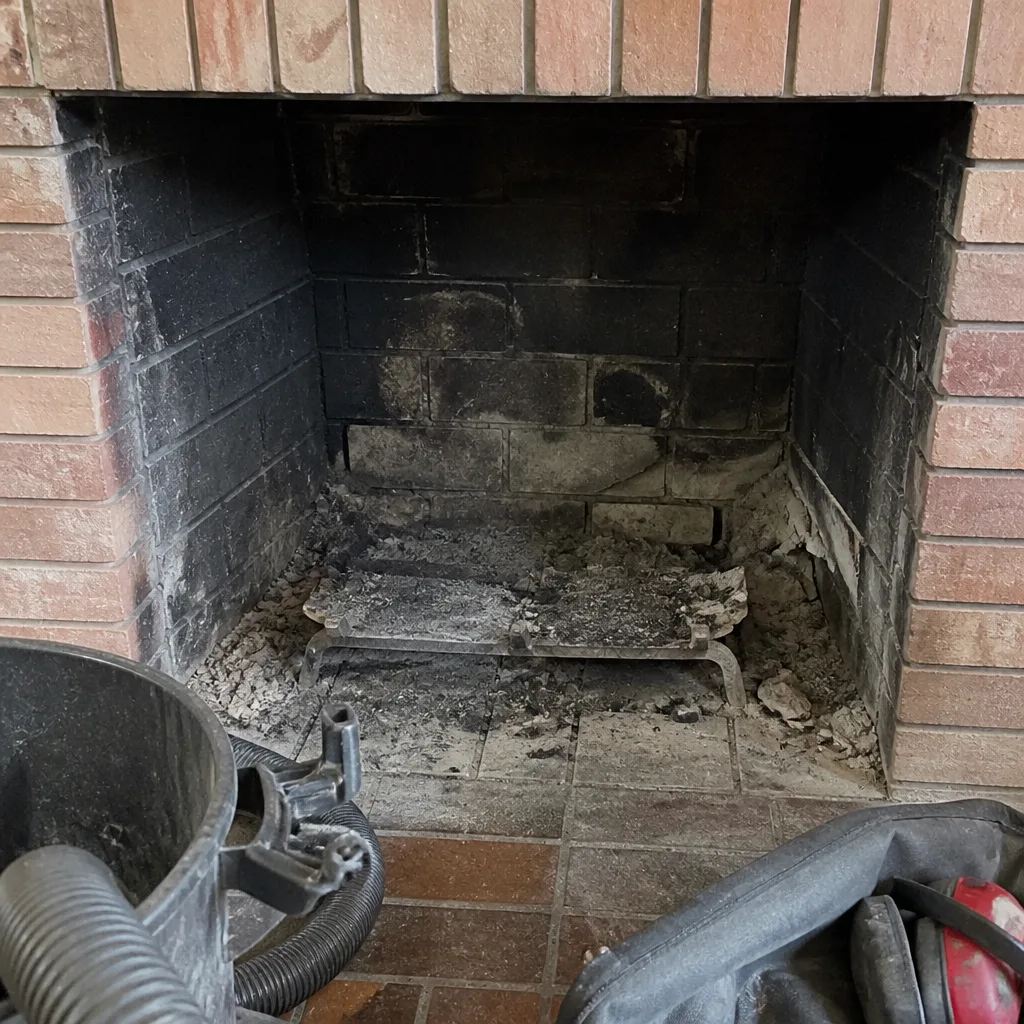 Before
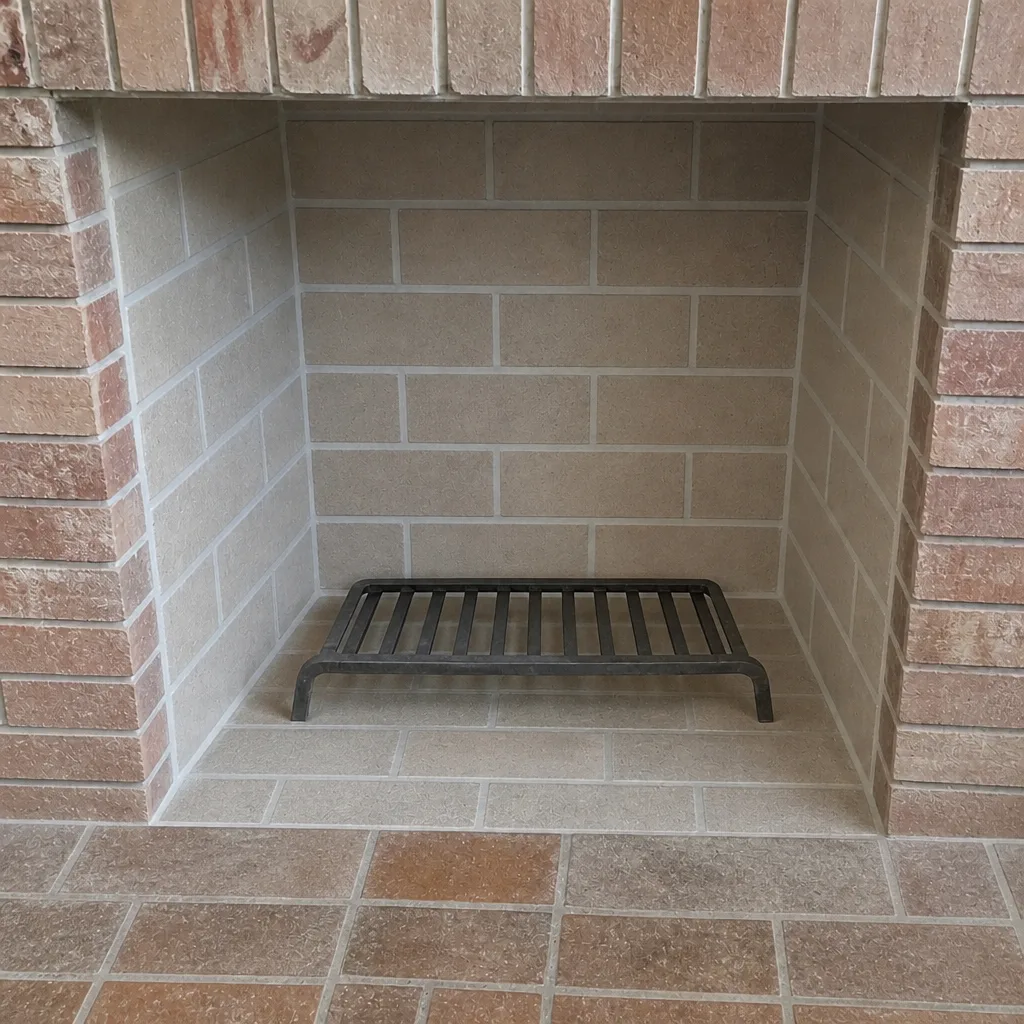 After
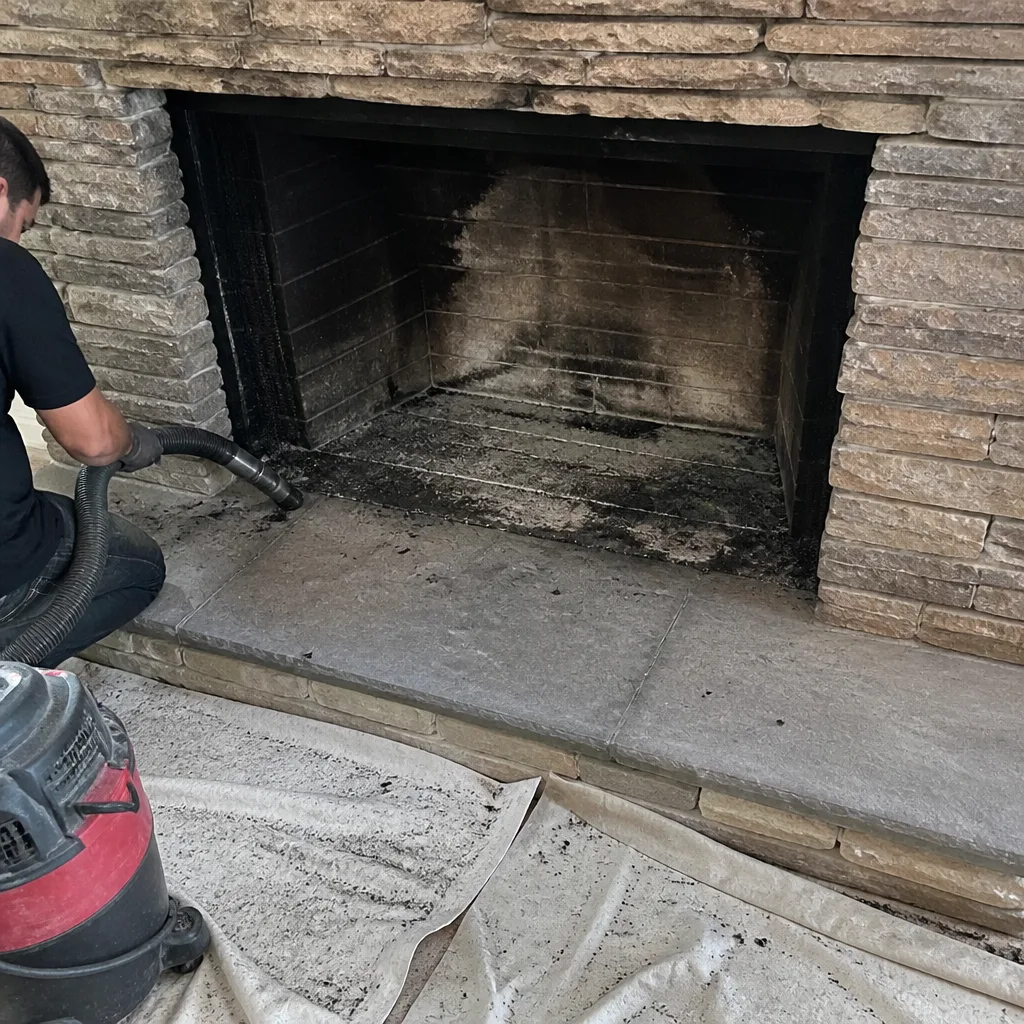 Before
 After
 Before
 After
When to Call a Professional
Call a professional for any of the following. A chimney fire, even a small one, requires a full inspection before the next burn. Smoke that backs into the room, a strong creosote smell after a fire event, or a visible crack in the crown are all reasons to bring someone out. A cap or spark arrestor that is damaged, shifted or missing should be replaced before the next wind event. A carbon monoxide alarm that has ever sounded in the home means the system needs inspecting before it’s used again. And a firebox, smoke chamber or flue that hasn’t been looked at in more than a year should get a full-system inspection and sweep, particularly before fire season in an area like Aliso Viejo that sits in a high wildfire risk zone. Aliso Viejo Chimney Sweep Pros offers free estimates in Aliso Viejo: call (833) 847-7241.
Frequently Asked Questions
Yes. A pre-season cleaning removes the creosote load that makes a chimney fire likely, and it’s the right time to confirm the cap, screen and liner are sound. In a high wildfire risk zone, a clean flue also vents correctly during the power outages that come with fire events, which is when the fireplace gets used more than usual. The sweep is a fire-preparedness action, not just routine maintenance. Call (833) 847-7241 to book a sweep or a full-system inspection before Santa Ana season.
A cap with an intact spark arrestor is one of the most effective ember-intrusion barriers on the home, and it’s the reason caps are recommended in high-fire-risk zones. The screen is what stops embers; a cap with a torn or missing screen offers no barrier at all. Check the screen, not just the cap. If yours is damaged, we can fit a replacement before the next wind event. Call (833) 847-7241 for a free estimate.
Get everyone out of the house and call the fire department, even if the fire appears to have self-extinguished. Don’t throw water into the fireplace, and don’t use the chimney again until the system has been inspected. A chimney fire can damage the liner, crown and masonry in ways that aren’t visible from the firebox. Call (833) 847-7241 after the fire department has cleared the scene to schedule the post-fire inspection.
No. Some chimney fires are a low rumble or a crackling roar, and some are nearly silent and noticeable only by the smell of acrid smoke or visible flame at the top of the chimney. Any of those signs means the system needs a full inspection before it’s used again. Call (833) 847-7241 to book the inspection.
CO risk rises because residents use the fireplace more, for longer, and sometimes close the damper too early or burn wet wood. If the liner is cracked or the flue is blocked, combustion gases go into the home instead of up the flue. A working CO alarm on every level, a clear flue, and a sound liner are the three things that matter. If any of those is in question, the system needs inspecting before it’s used. Call (833) 847-7241 to schedule a full-system inspection.
Yes. Ash, heat, wind-driven embers and debris reach chimneys well outside the visible fire footprint. A post-event inspection is a different procedure from a standard sweep: it looks at cap and spark arrestor condition, crown and flashing integrity, liner condition, creosote load and draft together. It’s a separate visit because the risks are different. Call (833) 847-7241 to book a post-event inspection in Aliso Viejo.
The Bottom Line
Chimney emergency preparedness in Aliso Viejo comes down to four things: a cap with an intact spark arrestor, a flue swept clean of creosote before Santa Ana season, a liner that’s structurally sound, and a full-system inspection after any nearby fire event. The cap is the ember barrier. The clean flue removes the fuel. The sound liner protects against carbon monoxide during the outages that come with fire events. The post-event inspection catches what the fire itself left behind. Full-system service means one crew handles the sweep, the repair, the liner and the cap, with professional-grade materials chosen for the conditions here. None of it is a same-day project; it’s a system to put in order before the season, not after.
Call (833) 847-7241 for a free estimate. We answer 24/7. Fast dispatch from 7am to 7pm, Sunday through Friday.
Written by the team at Aliso Viejo Chimney Sweep Pros.