
Last updated November 25, 2026
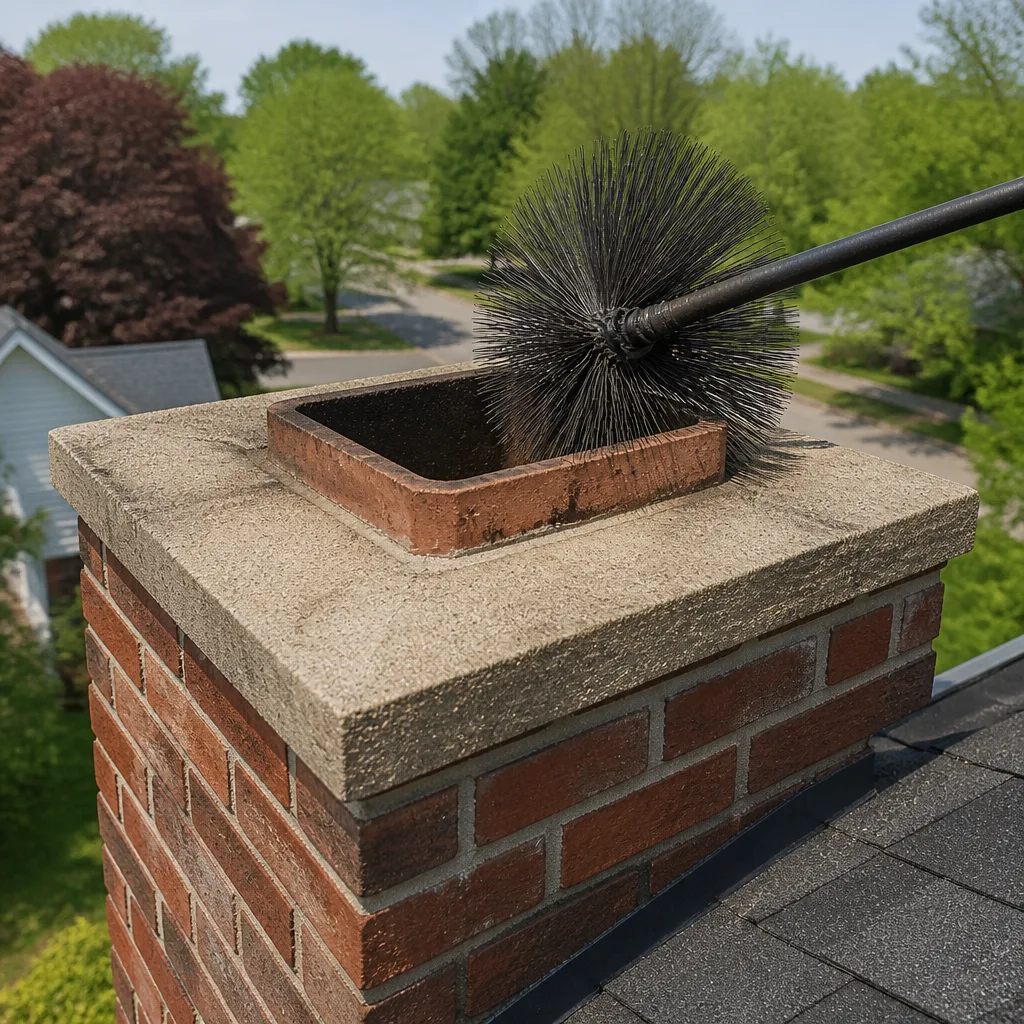 Sweep & inspection
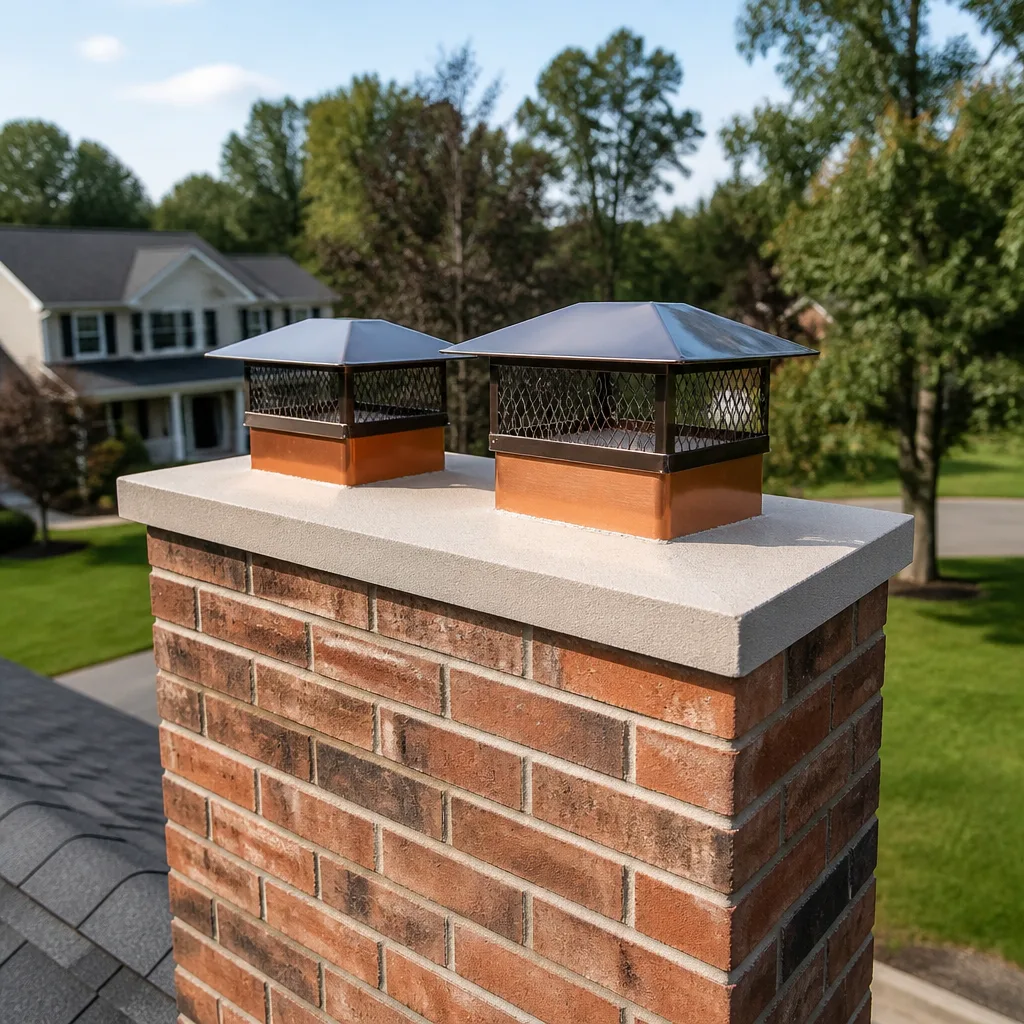 Caps & crowns
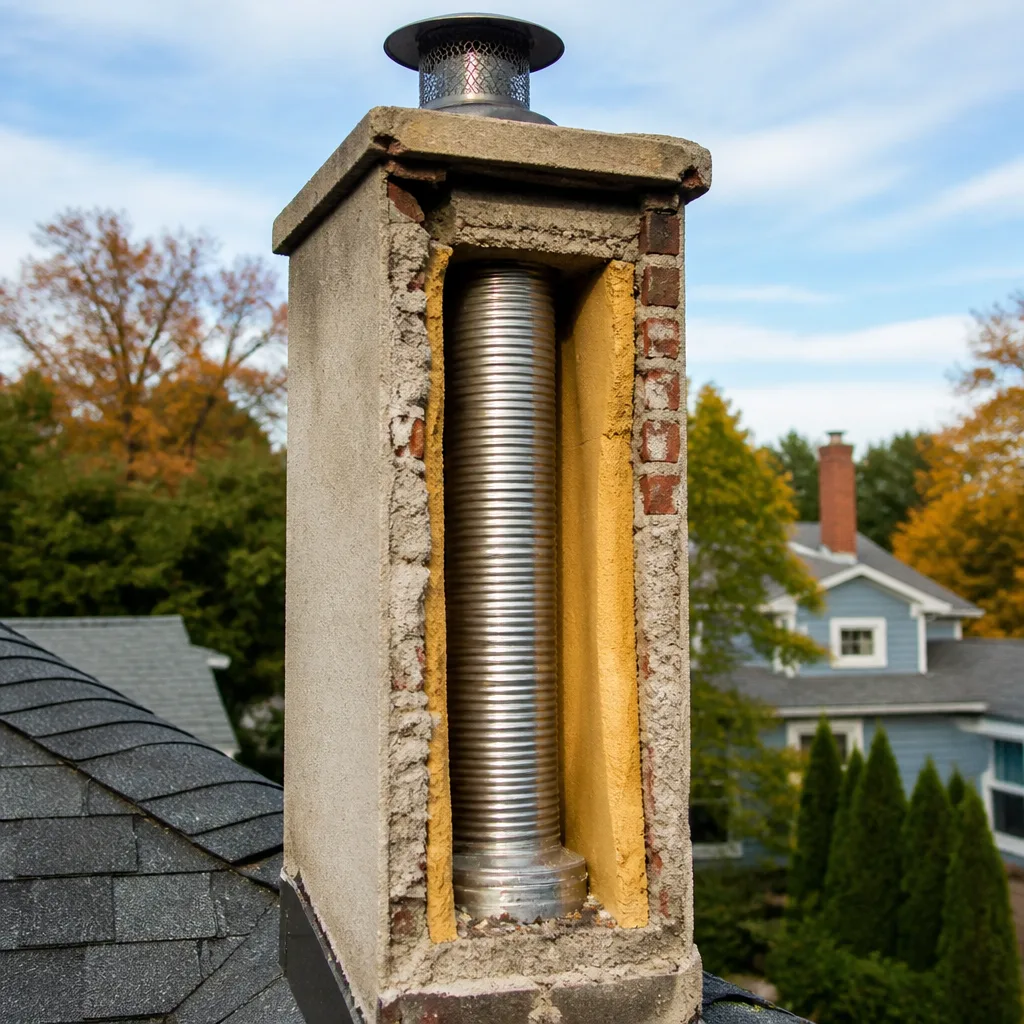 Flue relining
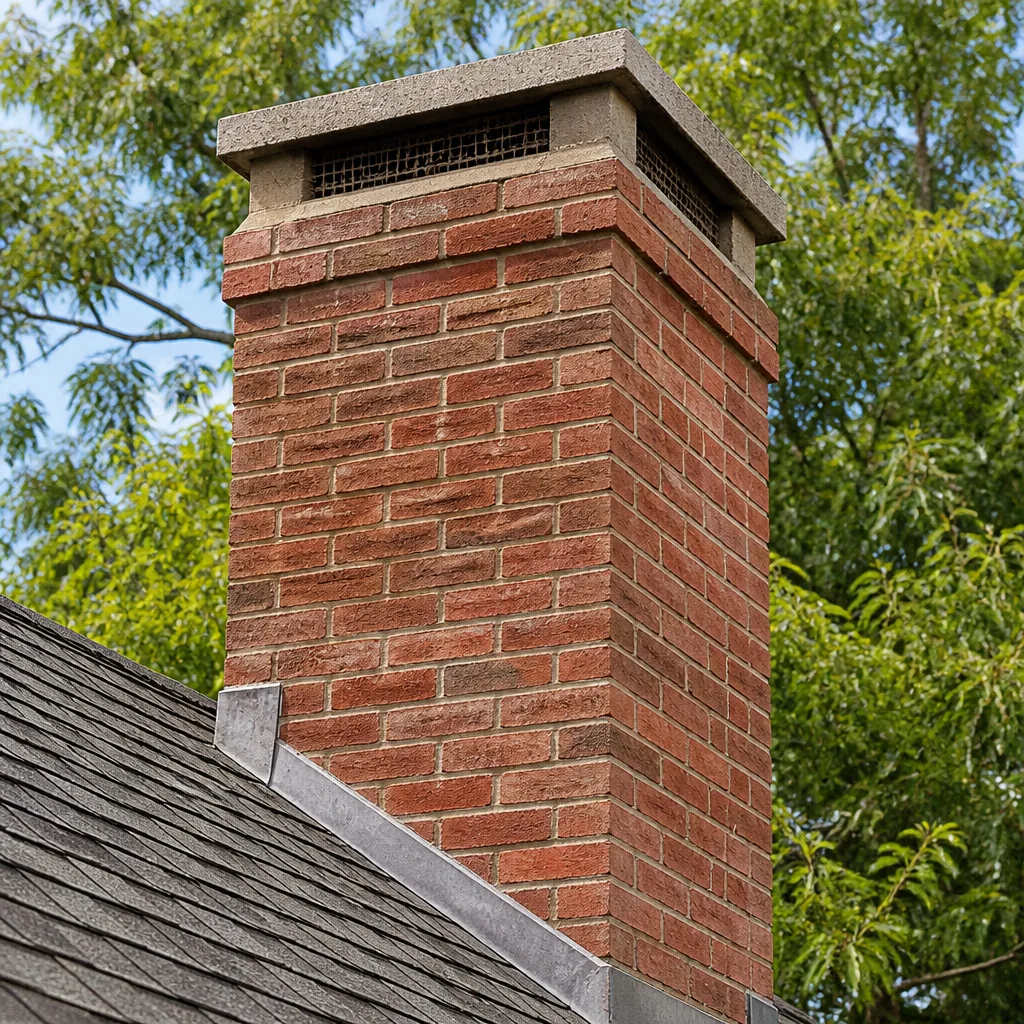 Masonry repair
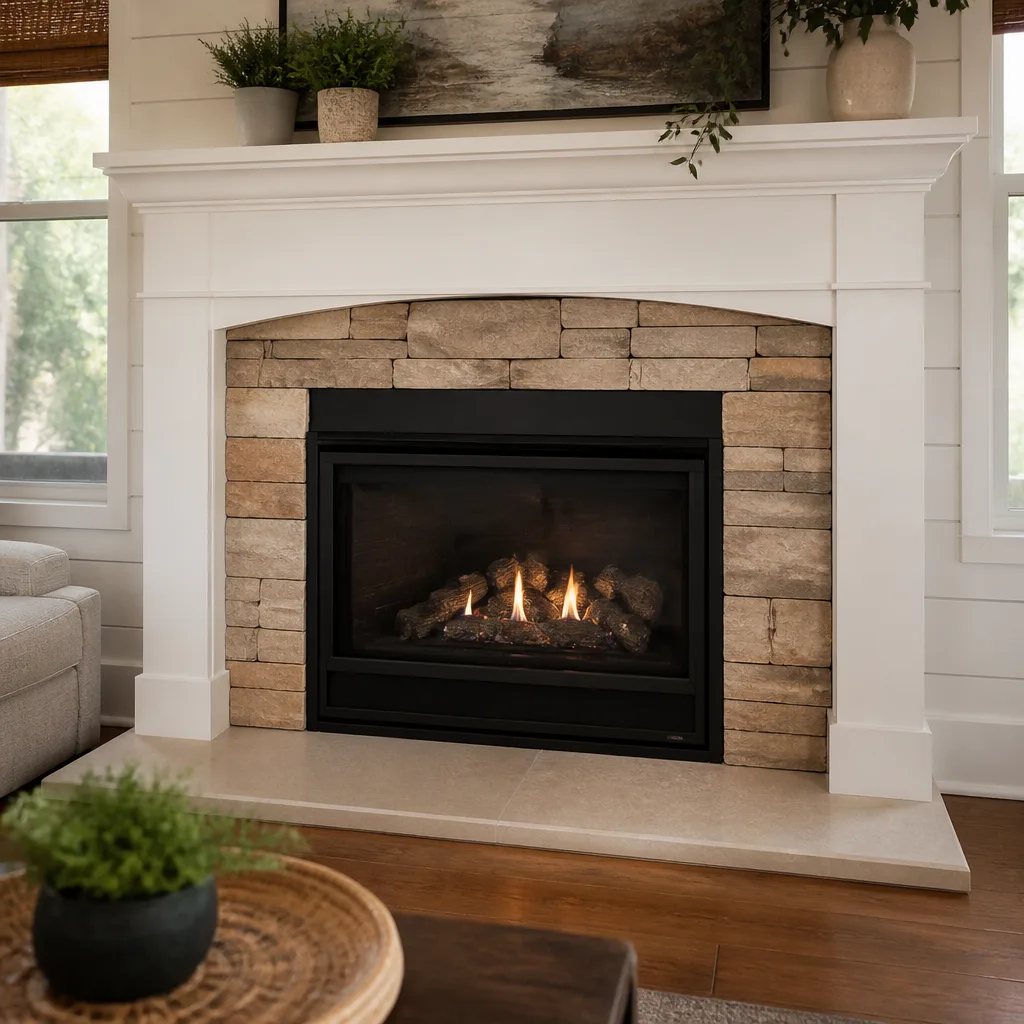 Gas fireplace service
Level 1 sweep and inspection to the NFPA 211 annual standard - flue, crown, cap, and flashing checked and photographed
Chimney sweep logs do not sweep chimneys. They loosen some creosote - which then falls where a brush and vacuum still have to collect it.
Seasonal Chimney Cleaning Care for Aliso Viejo: Year-Round Homeowner’s Guide
The deadliest time for an Aliso Viejo chimney isn’t winter. It’s the first cold snap in October, when homeowners fire up a fireplace that’s been dormant for nine months without a post-summer inspection. Creosote that built up last season is still sitting in the flue, a bird may have nested in the cap, and nobody’s looked at the crown since spring. Aliso Viejo doesn’t get four dramatic seasons, but its chimney systems still follow a distinct annual stress cycle driven by Santa Ana wind events, marine moisture, summer heat, and an irregular burn season. This guide maps every chimney task to that actual local calendar, so you know what to check, when to book it, and why timing matters here.
Quick Answer
Chimney care in Aliso Viejo follows a summer-first schedule: get your sweep and full-system inspection done between late spring and early fall, before the first burn, because that’s when the flue is dry, access is easy, and any repair work can be finished before Santa Ana winds arrive. Fall is for a first-burn system check, and winter use should be paired with mid-season monitoring of creosote and draft. If you only do one thing, book a professional chimney sweep and inspection in summer, not in the October rush.
Styles & brands we work with
- Sweep & inspection
- Caps & crowns
- Flue relining
- Masonry repair
- Gas fireplace service
Table of Contents
- Why Summer Is the Right Time to Schedule Chimney Cleaning in Aliso Viejo
- The Aliso Viejo Chimney Calendar: Four Phases of the Year
- How Santa Ana Winds Affect Your Chimney and Smoke Chamber
- Marine Layer Humidity and Your Mortar, Liner, and Damper
- Opening Up the Fireplace: What a Real First-Burn Check Requires
- The Full-System Inspection: Firebox to Cap
- Seasonal Repair Windows: Crowns, Caps, Liners, and Flue Resurfacing
- Mild Winter Use: What to Watch Between Burns
Why Summer Is the Right Time to Schedule Chimney Cleaning in Aliso Viejo
Most homeowners wait until the first cold night, then call whoever answers. In Orange County that habit creates a predictable crush of requests from October through December, when schedules fill fast and lead times stretch. Summer is the opposite: demand is low, the flue is dry after months of no burning, and if the inspection turns up a cracked crown or a failing flue joint, there’s still time to order materials and complete the repair before the burn season opens.
There’s a technical reason too. A dry flue is easier to inspect accurately. After a wet winter and a humid spring, residue inside the chimney can mask hairline cracks in clay liner segments and soften mortar so it reads worse than it is. By July and August, that moisture has largely moved out, and the camera inspection gives a cleaner picture of what’s actually happening inside the flue.
We’ve seen the same pattern repeat across Aliso Viejo neighborhoods like Glenwood and Vantis: homeowners who book in June get their sweep, inspection, and any minor repair wrapped up well before the first Santa Ana event. Homeowners who call in November often end up waiting, then burning before the inspection is done. A chimney sweep performed in summer is the same service as one performed in fall, but the timing gives you room to act on what it finds.
Our technicians have up to 9 years of experience, and the one thing that experience teaches is that the calendar matters as much as the cleaning itself. Book early, get the flue inspected while it’s dry, and you’ll spend the fall burning instead of waiting.
The Aliso Viejo Chimney Calendar: Four Phases of the Year
Think of your chimney as moving through four phases here, not the classic four seasons. Each phase stresses a different part of the system, and each asks something different of you.
- Summer dormancy (roughly June through September). The fireplace sits idle. Heat bakes the exterior masonry and crown while the interior stays shaded and slightly cooler. This is the window for cleaning, full-system inspection, and any repair that needs dry conditions. It’s also when crown cracks, cap damage, and flashing issues are easiest to spot and fix.
- Santa Ana season (typically fall, into early winter). Dry, gusting winds push debris, dust, and palm frond fragments across roofs. Uncapped or damaged flues become chutes for that material. The smoke chamber and damper area take the hit structurally.
- First-burn fall (October into November). The system wakes up. This is when a proper first-burn check matters: damper operation, draft, cap integrity, and a look up the flue before you light anything.
- Mild winter use (December through roughly March). Burning is intermittent, not constant. The flue cycles between hot and cool, which stresses mortar joints and metal components. Mid-season monitoring of creosote buildup and draft keeps the system honest.
Spring is the quiet transition between winter use and summer dormancy, and it’s a good time to note anything that felt off during the burn season (weak draft, smoke rolling into the room, a damper that stuck) so you can address it in the summer window.
What makes this cycle specific to Aliso Viejo is the combination: the marine layer pushing humidity inland on summer nights, the Santa Ana wind events in fall, and a burn season that never gets cold enough to run the fireplace daily. Each piece stresses a different component. A homeowner who tracks this cycle can plan maintenance around it instead of reacting to it.
How Santa Ana Winds Affect Your Chimney and Smoke Chamber
Santa Ana winds are the single biggest seasonal threat to an uncapped or damaged chimney in this part of Orange County. These are dry, gusting offshore winds that typically arrive in fall and can persist for days. They carry fine dust, dried plant material, and debris across rooftops at speed. A chimney with a missing or loose cap turns into a funnel. Material drops straight down the flue, lands on the smoke shelf and damper, and can block the very passage your smoke needs to exit.
Structurally, the smoke chamber is the part most often overlooked. It’s the tapered space above the damper and below the flue, and it collects whatever the wind pushes in. Over a season, debris buildup there narrows the opening and roughens the surface, which slows smoke and encourages creosote to cling to the walls. A chimney that drafted fine last year can start smoking into the room after one bad Santa Ana season.
The defense is simple and preventive:
- Confirm the chimney cap is intact, securely fastened, and sized to the flue before Santa Ana season, not after.
- Check that the cap screen isn’t torn; a torn screen lets debris in while still looking present from the ground.
- Inspect the crown for cracks, since a failing crown lets wind-driven water and grit into the masonry.
- Schedule a smoke chamber cleaning during the summer sweep, so the debris that already accumulated gets removed before the next wind event.
We work with Gelco and Olympia Chimney caps because a cap is a structural lid, not an accessory. A properly fitted cap is the cheapest insurance against the entire Santa Ana debris problem. In Aliso Viejo, where wind events are a real seasonal feature, a cap is part of the system, not an optional extra.
If you’ve ever noticed grit or plant material on the smoke shelf when you opened the damper, that’s the Santa Ana cycle at work. It’s fixable, and it’s preventable.
Marine Layer Humidity and Your Mortar, Liner, and Damper
Aliso Viejo sits close enough to the coast that the marine layer shapes summer nights: cool, moist air pushes in after sunset and sits until morning. For a chimney, that daily humidity cycle matters more than most homeowners realize.
Mortar joints are porous. Repeated exposure to moist night air, followed by daytime warming, drives a slow wet-dry cycle through the masonry. Over years, that cycle widens hairline cracks in the mortar and can loosen the bond between clay liner segments. You won’t see it from the firebox. You’ll see it with a camera inspection looking down the flue.
Metal components feel it too. Dampers, damper frames, and cap hardware are the parts most exposed to that nightly moisture. A damper that sticks or a hinge that corrodes is often a humidity story, not a neglect story.
What to watch for, seasonally:
- Mortar joints: hairline cracks or crumbling at the crown and at the chimney shoulder. These are the entry points for moisture.
- Clay liner: shifting or cracked segments visible in a camera inspection. Even a small gap lets creosote and heat reach the surrounding masonry.
- Damper: stiffness, rust staining, or a damper that no longer seats flat. A damper that doesn’t seal lets conditioned air escape year-round.
- Crown: any crack wider than a hairline, or a crown that has pulled away from the flue. That’s a moisture path straight into the chimney structure.
None of this is dramatic. It’s slow. That’s exactly why it gets missed and why a summer inspection catches it while the repair is small. Chimney repair work on mortar and crown issues done early stays small; postponed, it becomes structural.
We use HeatShield flue resurfacing when the flue interior has deteriorated but the structure is still sound. It’s a ceramic resurfacing system that restores a smooth, sealed flue surface without a full liner replacement, and it addresses exactly the kind of slow moisture-driven deterioration the marine layer produces. It’s a repair option many chimney companies can’t offer, and it’s one reason a full-system inspection here is worth doing before the damage spreads.
Opening Up the Fireplace: What a Real First-Burn Check Requires
“Opening up” the fireplace for the season is not a glance into the firebox and a quick light. It’s a short system check that catches the problems that cause smoke, weak draft, or worse on the first cold night. Here’s what it should actually involve:
- Look up the flue with a light before lighting anything. Confirm there’s no visible blockage, nest, or heavy debris. If you can’t see clearly, don’t burn.
- Operate the damper fully. Open it, close it, and open it again. It should move smoothly and seat flat when closed. A damper that sticks halfway is a draft problem waiting to happen.
- Check the cap from the ground or with a camera. Confirm the cap is present, fastened, and the screen is intact.
- Inspect the firebox and smoke shelf for debris. Santa Ana winds and a long dormant season can leave material on the shelf that narrows the smoke path.
- Check the crown and flashing for new cracks. A summer inspection caught them at their smallest; a first-burn look confirms nothing has shifted since.
- Do a small test burn and watch the draft. Smoke rolling into the room, a fire that struggles to catch, or a smell that lingers are all signals the system needs a professional look before regular use.
The first-burn check is not a substitute for a professional inspection. It’s the layering that keeps you from burning blind. If anything in the list above looks off, stop and call. Our technicians have up to 9 years of experience, and draft problems are one of the most common things we diagnose after a dormant season.
We tell Aliso Viejo homeowners the same thing every fall: if you skipped the summer inspection, do the first-burn check and book the professional sweep now, before you burn regularly. A fireplace repair that starts as a sticking damper or a small firebox crack is easy to handle when it’s caught early.
The Full-System Inspection: Firebox to Cap
A proper inspection isn’t a sweep with a flashlight. It’s a full-system review of every component that moves smoke and holds back weather. Here’s what we look at, and why each part matters in this climate.
- Firebox: cracks in the firebrick or mortar, and any gaps where heat can reach the structure. The firebox takes the most direct heat of anything in the system.
- Damper and smoke shelf: operation, seating, and debris buildup. The smoke shelf is where Santa Ana debris collects and where draft problems often start.
- Smoke chamber: the tapered space above the damper. We check for rough surfaces and creosote buildup, both of which slow smoke.
- Flue and liner: a camera inspection looks for cracks, gaps, and shifting in clay liner segments, and for the condition of any existing metal liner. Moisture-driven deterioration shows up here first.
- Crown: cracks, separation from the flue, and overall integrity. The crown is the chimney’s roof, and a failing crown is a moisture entry point.
- Cap: presence, fit, fastening, and screen condition. The cap is your first defense against Santa Ana debris.
- Flashing: the seal where the chimney meets the roof. A failing flashing joint lets water into the attic and the chimney structure.
We include camera inspection and a photo report so you can see what we see. That matters, because the most common hesitation we hear is that a homeowner has no way to verify a recommendation for expensive liner or masonry work. Nothing gets recommended without camera evidence you can look at yourself, and we’ll tell you plainly when a repair can safely wait.
The inspection is also where you learn whether a brand matters. If the flue needs relining, we use DuraFlex flexible liner systems for chimneys with complex bends or offsets, because a flexible system can follow the flue’s actual geometry where a rigid liner can’t. If the flue interior is worn but the structure is sound, HeatShield ceramic resurfacing is often the right repair instead of a full reline. Getting the right material to the right problem starts with a real full-system inspection, not a guess.
We’ve built our reputation around being a full-system specialist rather than a one-service sweep. That means one crew, start to finish: sweep, inspection, repair, cap and crown work, and liner restoration, all coordinated with you instead of handed off.
Seasonal Repair Windows: Crowns, Caps, Liners, and Flue Resurfacing
Not every repair can be done at any time of year. Here’s how the Aliso Viejo calendar shapes the repair schedule, so you can plan.
- Crown repair and replacement: best done in the dry summer and early fall window. Crown work needs dry masonry and curing conditions. Doing it before Santa Ana season means the crown is intact when the wind events hit.
- Cap installation or replacement: possible almost any time, but best done before fall. A cap installed in spring protects the flue through the whole Santa Ana cycle.
- Flue resurfacing (HeatShield): summer and early fall, when the flue is dry. Moisture inside the flue interferes with adhesion and curing.
- Flexible liner installation (DuraFlex): planned during the summer inspection, installed in the fall if needed, so the system is ready for the burn season.
- Damper and small fireplace repairs: any time, but best bundled into the summer inspection so you’re not paying for a second visit.
- Structural masonry repair: planned in summer, completed before the rainy season begins.
We work with professional-grade brands, including DuraFlex, HeatShield, Gelco, Olympia Chimney, Famco, and Copperfield. The brand matters because the material is the repair. A cap that looks fine in year one but warps in year three isn’t a savings. A flexible liner that fits the flue’s actual offsets performs where a rigid one would have needed cutting and modification.
The reason we handle sweep, repair, and cap work under one roof is that the timing problem disappears. When the same crew that finds the problem also fixes it, there’s no waiting for a specialist to schedule a second visit. If a repair can safely wait a season, we’ll say so. If it can’t, you’ll know before the calendar forces your hand.
Mild Winter Use: What to Watch Between Burns
Aliso Viejo winters are mild, which creates a particular chimney pattern: intermittent burning. You’ll light the fireplace on a cool evening, let it go out, and not touch it for a week. That cycle is harder on the system than daily burning, because the flue heats and cools repeatedly. Mortar and metal components see more thermal cycling, and creosote deposits build unevenly.
What to watch for between burns:
- Draft quality. A fire that used to light easily but now struggles is telling you something changed in the flue or at the damper.
- Smoke smell after the fire is out. A lingering creosote smell in the room is a sign of buildup or a draft issue.
- Damper operation. Check it mid-season, not just at the start. Stiffening is common in wet years.
- Visible creosote at the damper. Black, flaky, or glassy deposits visible when the damper is open mean it’s time to stop burning and get a sweep.
- Cap condition. A winter storm or wind event can loosen a cap. A quick ground-level look after a windy stretch is worth doing.
Glazed, shiny creosote is the signal to stop. That’s the most flammable form of buildup, and no amount of weather mildness makes it safe to keep burning. If you see it, call. If you’re not sure, call and let a camera inspection answer the question.
We tell homeowners the same thing: winter isn’t the time for a big repair, but it is the time to notice. Write down what feels different, then act on it in the summer window. An Aliso Viejo Chimney Sweep Pros inspection at the end of the season captures everything before it fades.
Common Mistakes to Avoid
- Waiting until the first cold night to book a sweep. Fall scheduling fills up across Orange County, and the burn season starts before your appointment does. Book in summer instead.
- Treating “opening up” the fireplace as a visual glance into the firebox. The firebox looks fine while the flue above it has a cracked liner or a blocked smoke shelf. A light in the firebox tells you almost nothing about the flue.
- Assuming a cap is optional because the chimney drafts fine. A cap is what keeps Santa Ana debris out of the smoke chamber. It’s the cheapest preventive component on the whole system.
- Ignoring a hairline crown crack because it looks small. Crown cracks let marine-layer moisture into the masonry, where it widens with every wet-dry cycle. Small now is a much bigger repair after two more seasons.
- Burning with glazed creosote because the fire “seems to burn fine.” Glazed creosote doesn’t announce itself. It sits in the flue until it doesn’t. Stop and get a sweep before the next burn.
- Skipping the summer inspection because you had one two years ago. Two years is exactly the window in which moisture, wind debris, and clay liner movement can accumulate without a symptom.
- Calling a general handyman for crown, cap, or liner work. Chimney repair is a specialty. The material and installation method matter, and a generalist won’t have the brand relationships or the camera inspection that a full-system specialist does.
See the difference
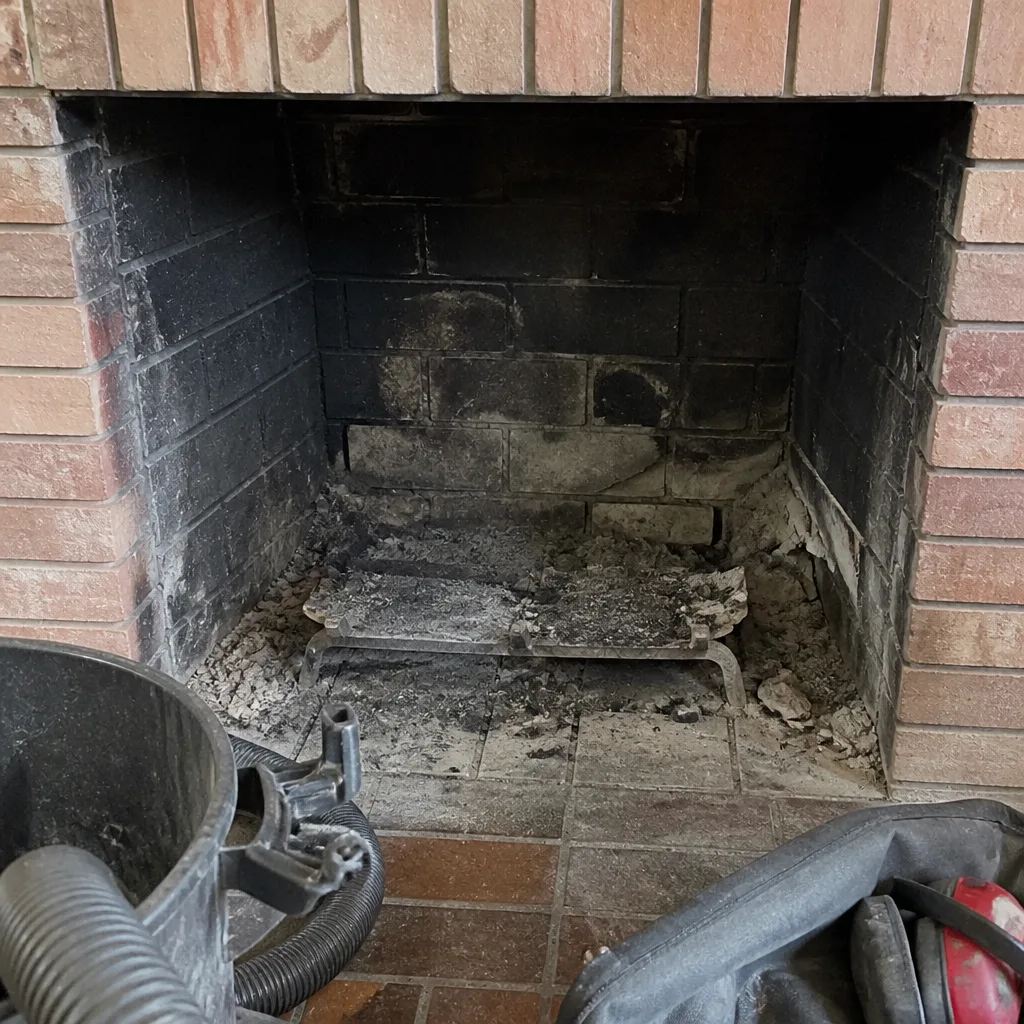 Before
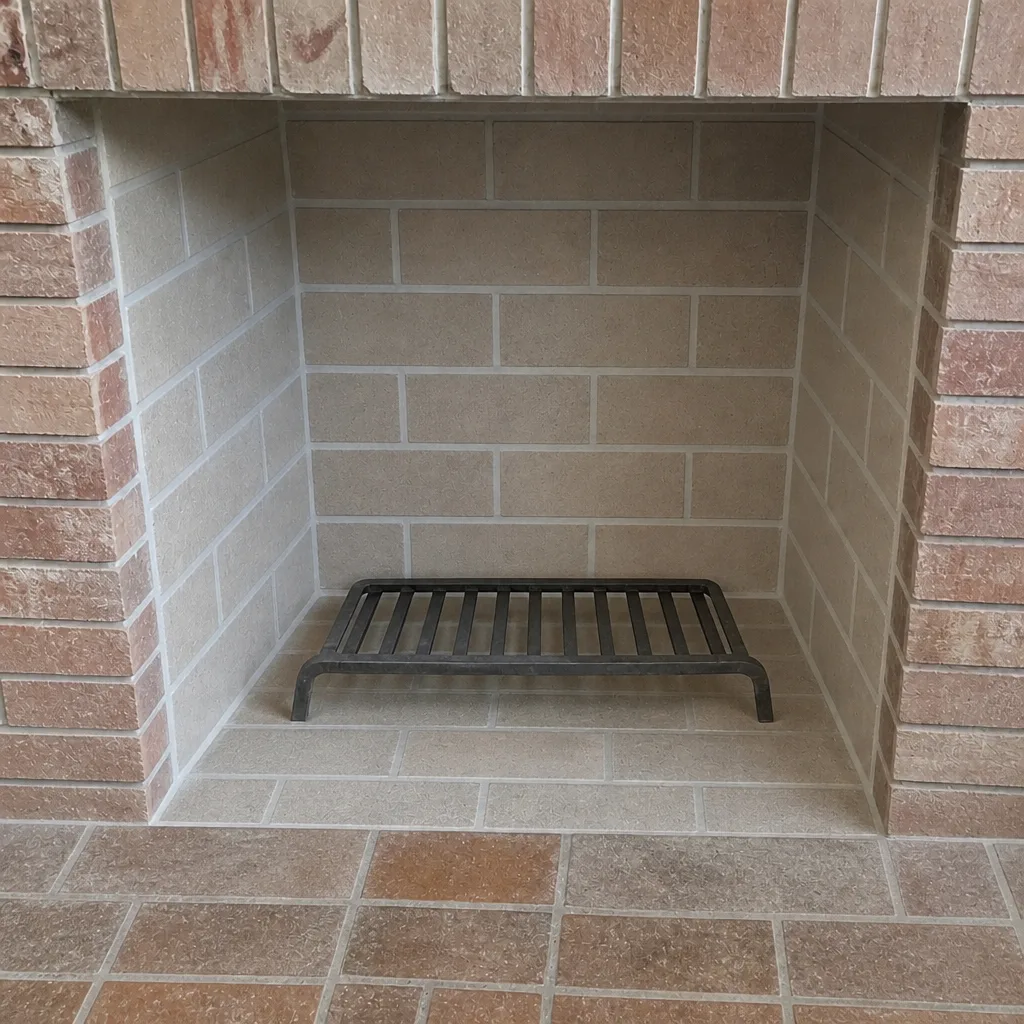 After
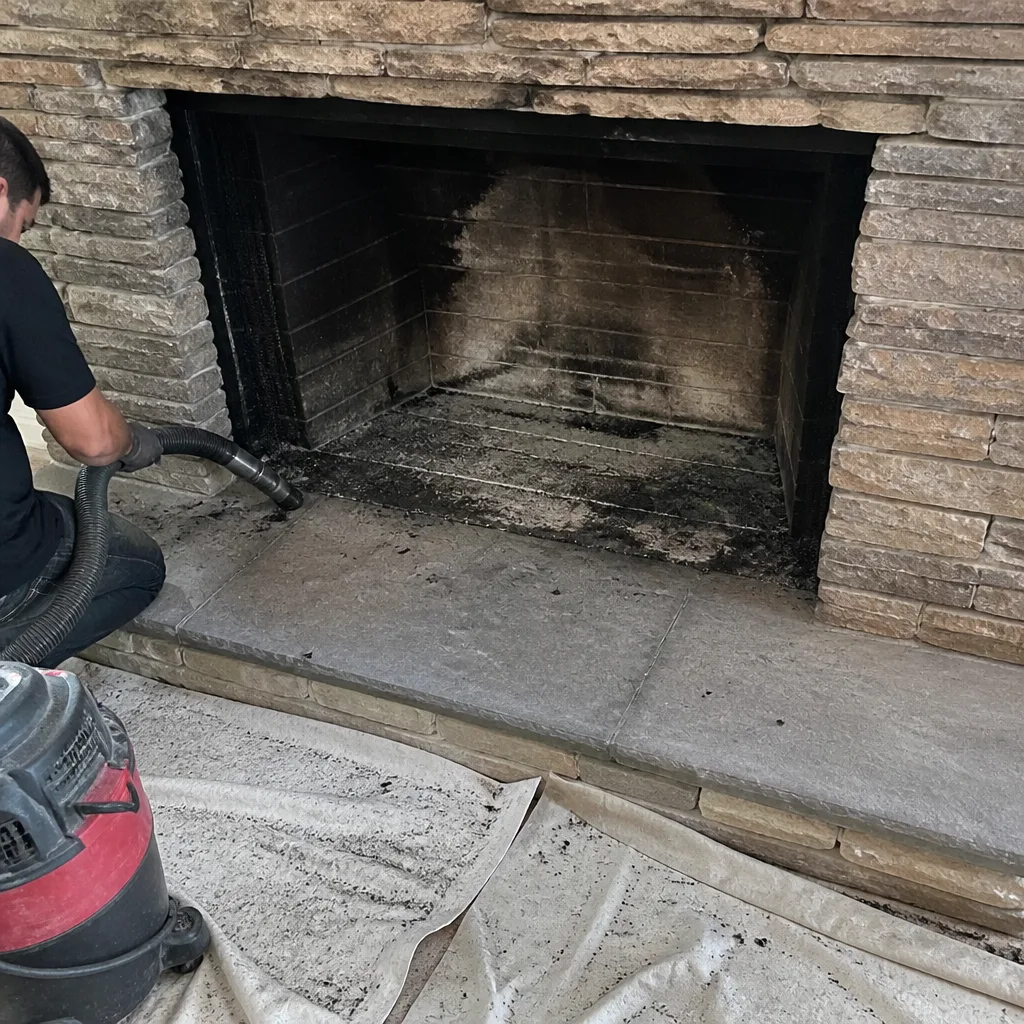 Before
 After
 Before
 After
When to Call a Professional
Call a professional when you see glazed or heavy creosote at the damper, when the damper sticks or won’t seat, when smoke rolls into the room on a first burn, when you spot a crown crack wider than a hairline or a loose cap, or when it’s simply been more than a year since the last inspection. Call before you burn after a dormant season if you haven’t had a proper look up the flue. In Aliso Viejo, the summer window is the best time to book because the flue is dry and schedules are open. Aliso Viejo Chimney Sweep Pros offers free estimates in Aliso Viejo, call (833) 847-7241. We answer 24/7. Fast dispatch from 7am to 7pm, Sunday through Friday.
Frequently Asked Questions
Most homes should be swept and inspected once a year, timed in summer before the burn season. If you burn frequently through the winter or you notice glazed creosote, an extra inspection is worth it.
Yes, in most cases. Summer gives a dry flue for a cleaner camera inspection, and it leaves time to complete any repair before Santa Ana winds and the first burn. Fall scheduling in Orange County fills quickly, so summer is both easier and safer.
They can, mainly by driving debris into uncapped or damaged flues and by stressing the crown and cap. The smoke chamber and smoke shelf collect the material, which narrows the draft path. A properly fitted and intact cap is the key defense.
Flue resurfacing is a ceramic coating applied to the inside of the flue when the liner interior has deteriorated but the structure is still sound. We use HeatShield for this. It restores a smooth, sealed flue surface and can be an alternative to a full liner replacement, but only after a camera inspection confirms it’s the right repair.
Yes. Flexible liner systems like DuraFlex are made for chimneys with complex bends or offsets, where a rigid liner would require cutting or modification. The trick is matching the liner to the flue’s actual geometry, which the inspection determines.
You risk creosote buildup reaching glazed stage, debris accumulating in the smoke chamber, and small crown or mortar cracks widening with moisture. None of that is dramatic on day one. The concern is that it compounds silently between inspections, and the repair gets bigger each season it’s deferred.
The Bottom Line
Aliso Viejo doesn’t have four dramatic seasons, but it has a real annual chimney stress cycle, and timing your care to that cycle is what separates proactive maintenance from reactive repair. Book your sweep and full-system inspection in summer, when the flue is dry and schedules are open. Protect the flue from Santa Ana debris with a properly fitted cap. Watch the mortar, damper, and crown through the humid summer months. Do a real first-burn check in fall instead of a glance into the firebox. And treat the mild winter as a monitoring season, not a reason to skip the calendar. Do those things and your fireplace stays ready whether you burn weekly or twice a month.
Aliso Viejo Chimney Sweep Pros handles the full system: sweep, inspection, fireplace repair, chimney repair, cap and crown work, and liner restoration, with professional-grade materials including DuraFlex, HeatShield, Gelco, Olympia Chimney, Famco, and Copperfield. Call (833) 847-7241 for a free estimate. We answer 24/7. Fast dispatch from 7am to 7pm, Sunday through Friday.
Written by the team at Aliso Viejo Chimney Sweep Pros.