
Last updated November 25, 2026
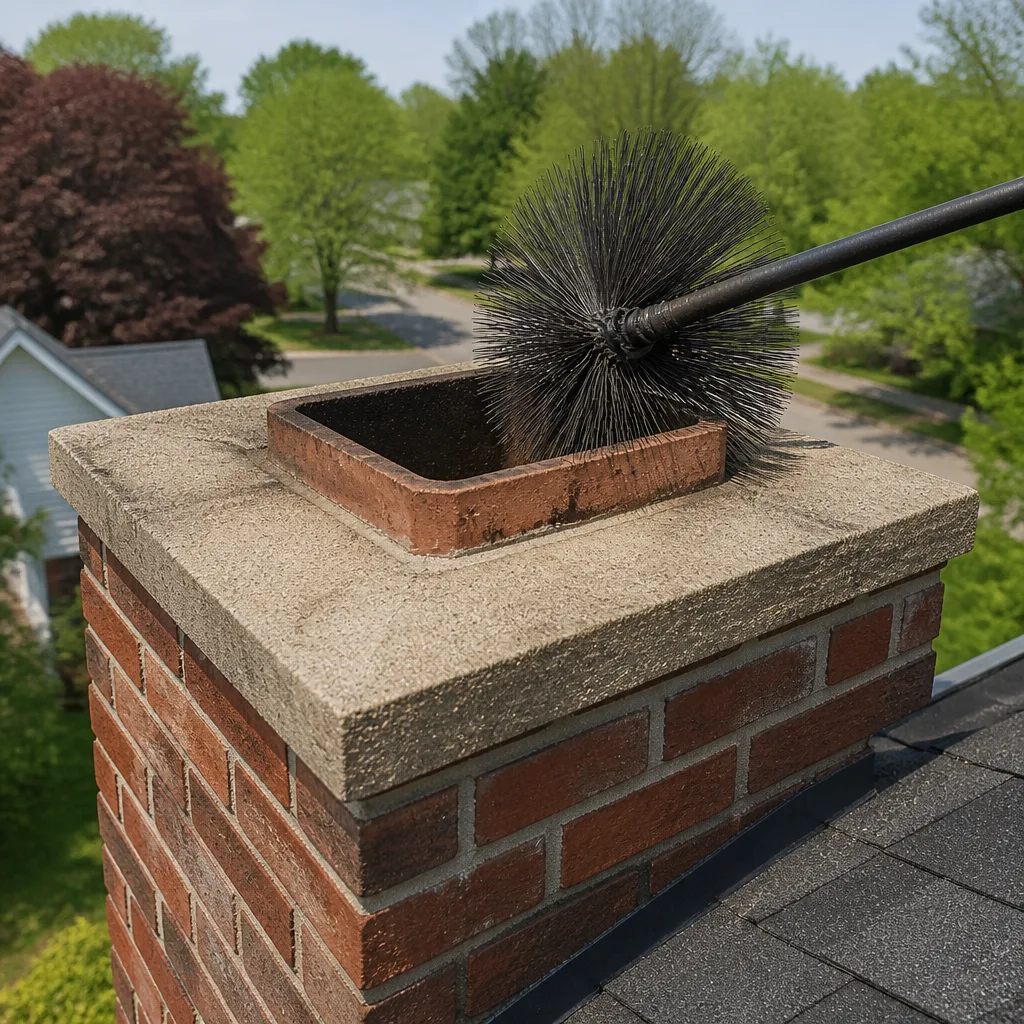 Sweep & inspection
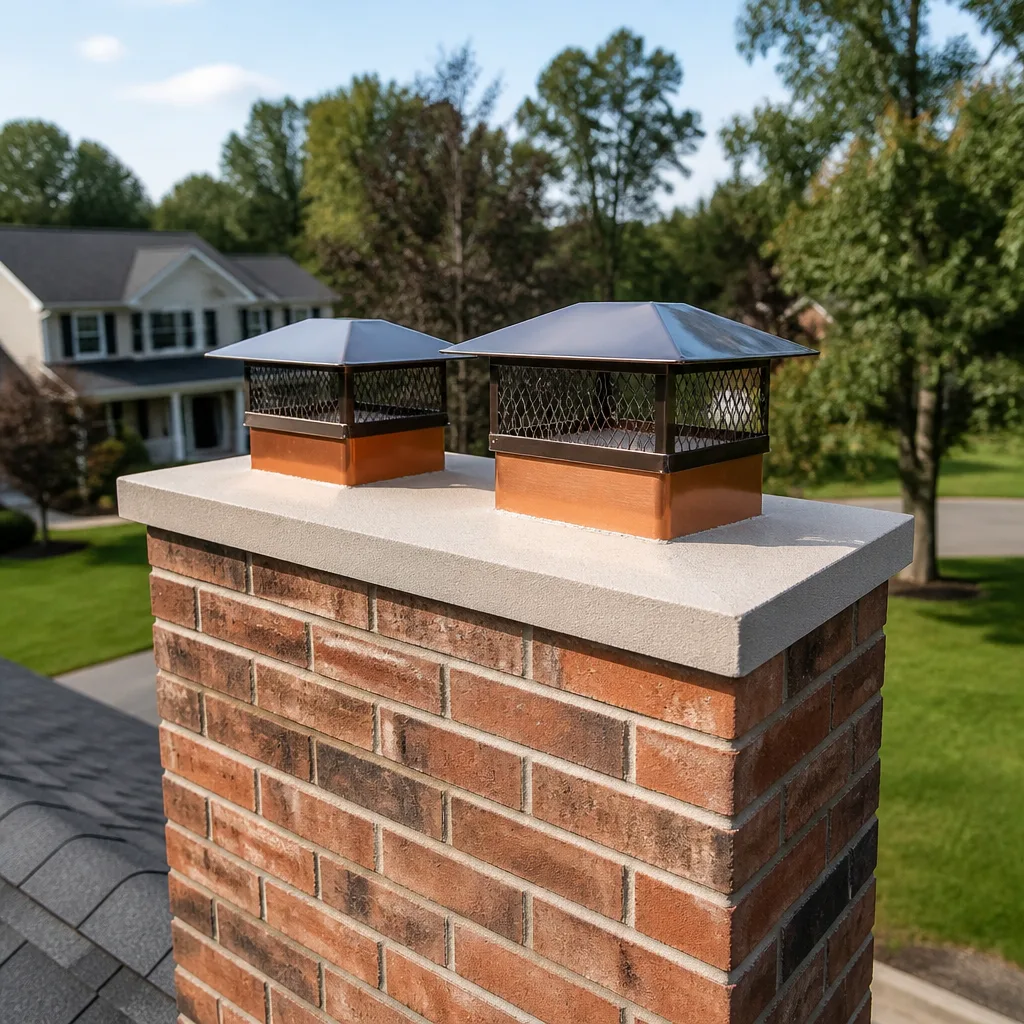 Caps & crowns
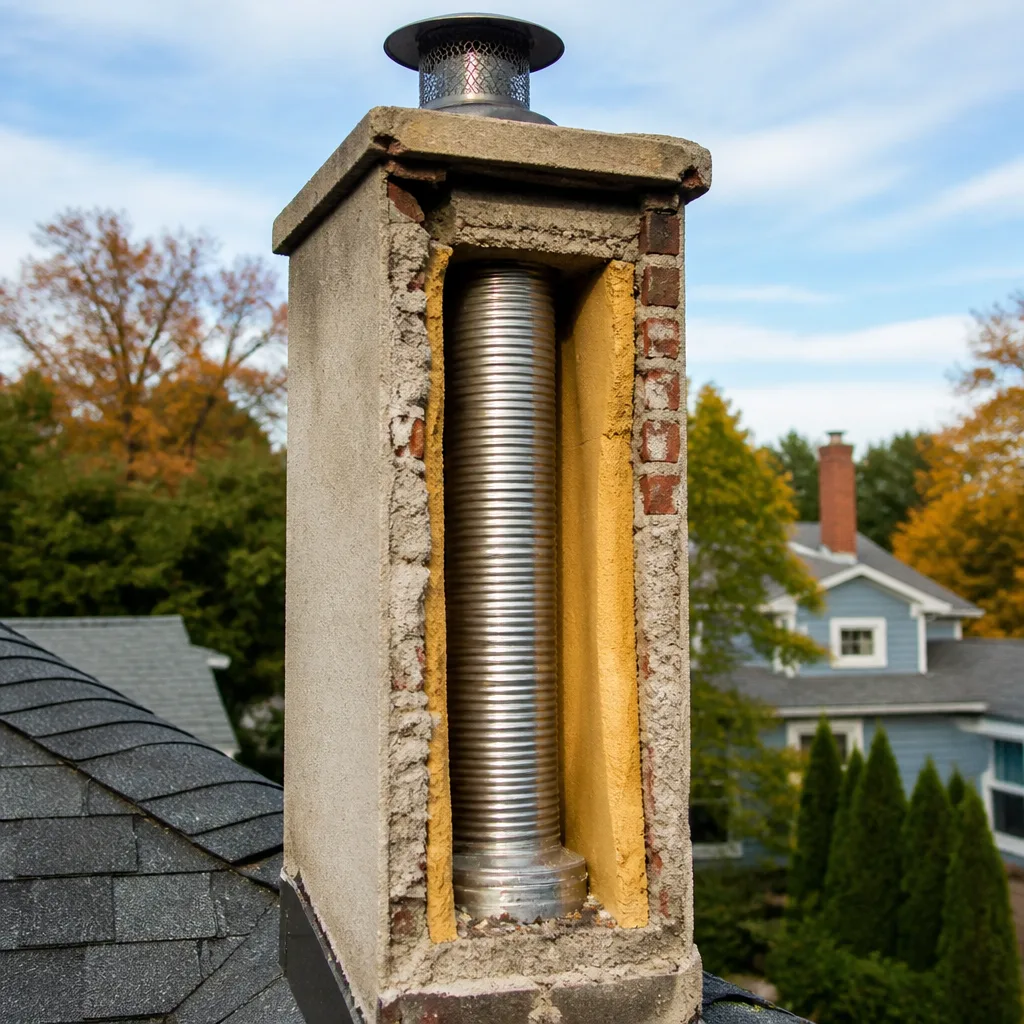 Flue relining
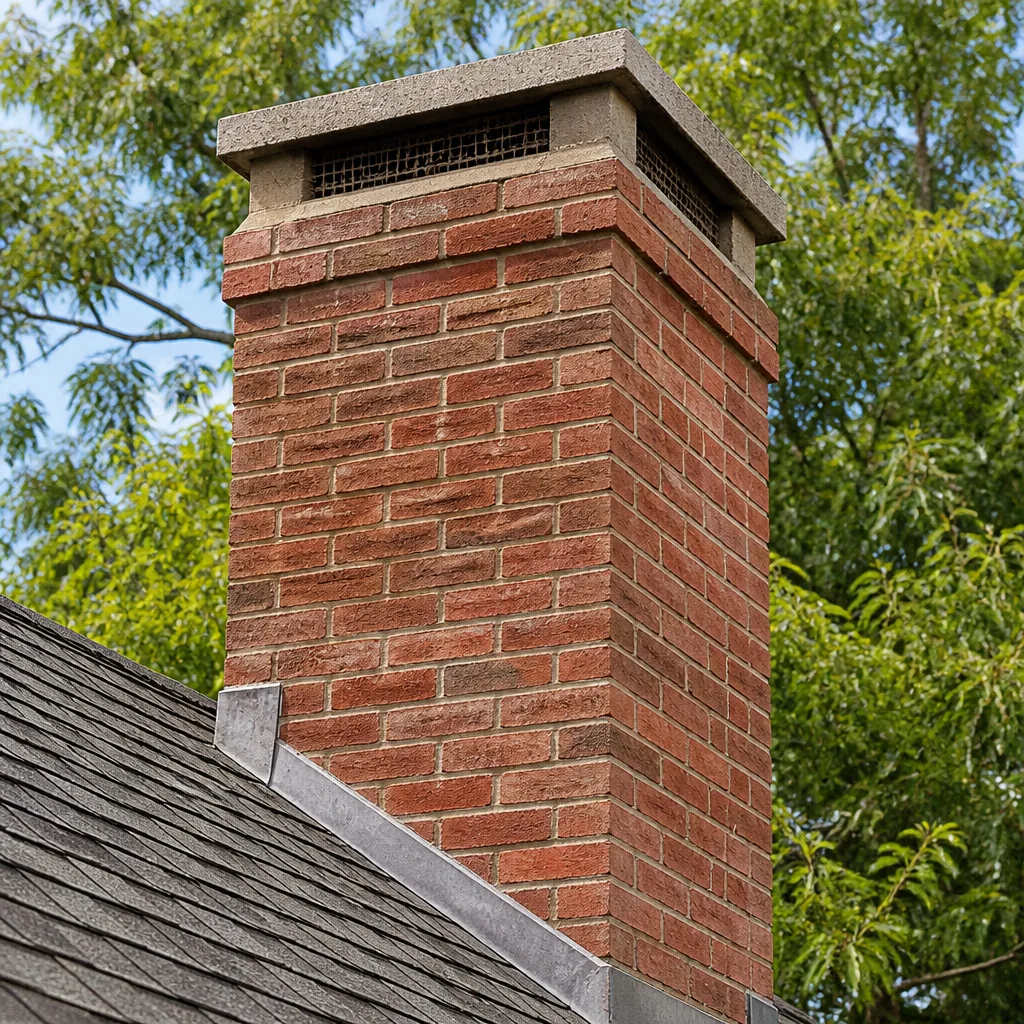 Masonry repair
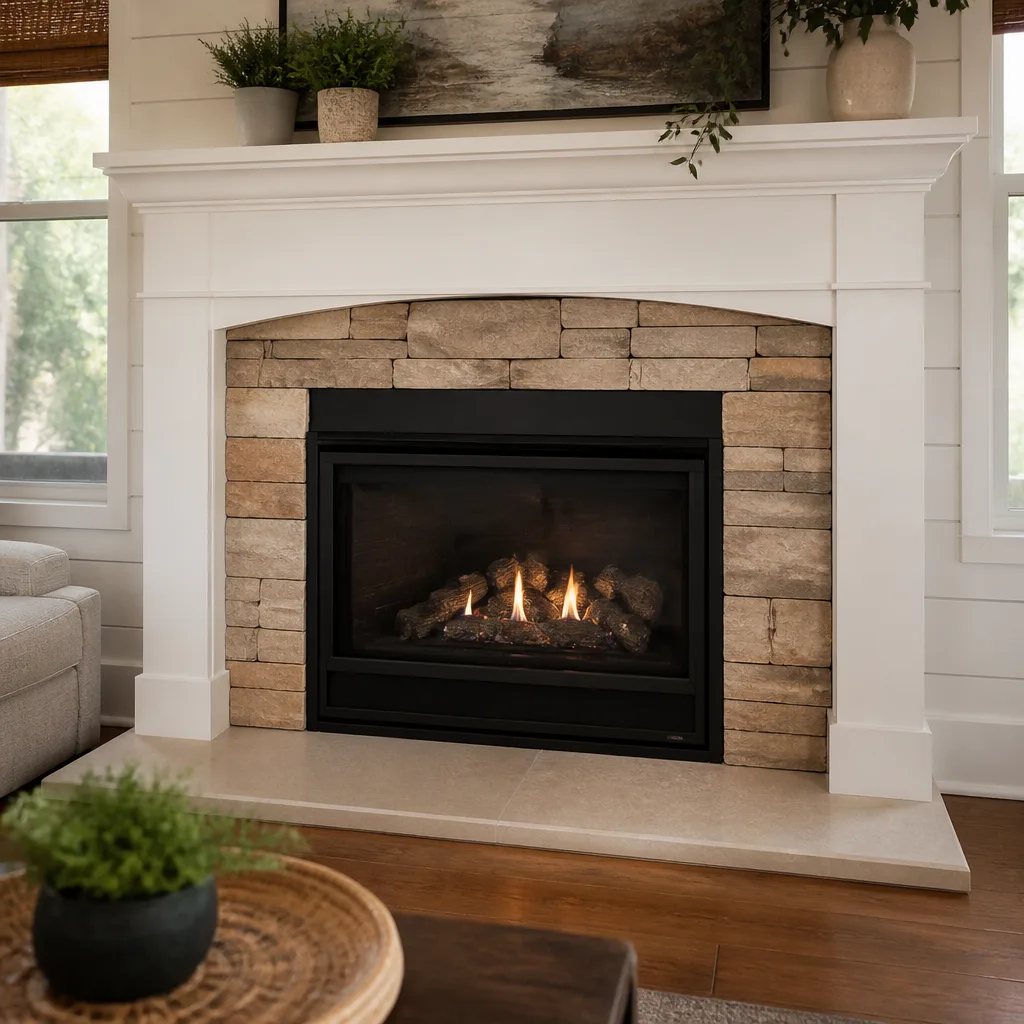 Gas fireplace service
Level 1 sweep and inspection to the NFPA 211 annual standard - flue, crown, cap, and flashing checked and photographed
Chimney sweep logs do not sweep chimneys. They loosen some creosote - which then falls where a brush and vacuum still have to collect it.
Chimney Cleaning Permits, Codes & Inspections in Aliso Viejo, CA: What You Need to Know
Most chimney work you’ll ever book doesn’t need a permit. A sweep, a Level 1 inspection, a cap swap done with the right parts: none of that touches the building department. But a liner replacement, a rebuilt crown poured at a new height, or flashing torn out and remade is a structural alteration under the California Residential Code, and that line matters more in Aliso Viejo than most homeowners realize. Unpermitted chimney work can follow a house into escrow and into an insurance review. This guide draws that line clearly, section by section, so you know which jobs need paperwork and which don’t.
Quick Answer
Routine chimney cleaning, sweeping, and a standard Level 1 inspection in Aliso Viejo do not require a building permit. Relining a flue, replacing a chimney cap as a structural change, rebuilding a crown, and repairing flashing are alterations that generally fall under the California Residential Code and local Aliso Viejo municipal requirements, so they typically need a permit. Inspections themselves are not permits; a Level 2 inspection is the documentation a building department or insurer will want before and after that work is done.
Styles & brands we work with
- Sweep & inspection
- Caps & crowns
- Flue relining
- Masonry repair
- Gas fireplace service
Table of Contents
- Which Chimney Services Need a Permit in California?
- How NFPA 211 and California Code Work Together on Liner Clearances
- What a Level 2 Inspection Is and When It’s Required
- How Unpermitted Chimney Work Shows Up During a Home Sale
- CSIA Inspection vs. Documentation That Carries Weight
- Aliso Viejo Homes, HOA Rules, and Chimney Systems Built for This Climate
- The Permit Process, Step by Step
- What Chimney Work and Permits Typically Cost in Aliso Viejo
Which Chimney Services Need a Permit in California?
Here’s the simplest way to think about it: if the work changes the structure of the chimney or the flue, expect a permit. If it cleans, inspects, or replaces a component in kind, expect not to need one. The California Residential Code treats a relining as a structural alteration of the venting system, and most building departments read it that way. A routine clean and a visual check don’t leave the building any different than it was before the technician arrived, so no permit enters the picture.
Typically permit-exempt in Aliso Viejo:
- Annual chimney sweep and creosote removal
- Level 1 inspection (readily accessible visual check)
- Replacing a cap with a same-type cap at the same location
- Routine firebox cleaning and damper adjustment
Typically permit-required:
- Installing a new stainless liner or relining a flue
- Rebuilding a crown at a changed height or profile
- Replacing or rebuilding chimney flashing
- Removing or altering any portion of the chimney structure above the roofline
- Converting a fireplace from wood to gas with a new vent configuration in most cases
Aliso Viejo sits within Orange County, and local municipal requirements can add conditions beyond the state code, particularly around HOA architectural review in planned communities. Some rooftops in Aliso Viejo are visible from common areas or neighboring units, which is why some homeowners find their HOA architectural review runs alongside the city permit application rather than replacing it. Always confirm with the city’s building department before work starts. The answer to “does this need a permit” belongs to the city, not to the contractor, and never to a search result.
The gray zone is worth knowing. A HeatShield ceramic flue resurfacing is an interior liner restoration, and whether a given jurisdiction treats it as a repair or a structural alteration can vary. The same question comes up with a DuraFlex flexible liner installed into an existing flue with complex bends. In our experience, when the work is a full re-line of the flue interior, the safe default is a permit. When the work is resurfacing a liner that’s still structurally sound, ask the building department in writing before you commit.
How NFPA 211 and California Code Work Together on Liner Clearances
NFPA 211 is the national standard for chimneys, fireplaces, vents, and solid fuel-burning appliances. The California Residential Code adopts it by reference for many chimney installation details, which means the national standard governs the specifics of clearances and installation while the state code governs the permitting and inspection process. For a homeowner, the practical result is this: the liner clearance values in NFPA 211 are not optional, and a permit inspector will check against them.
The clearance dimensions that matter most:
- Clearance from chimney to combustibles, which varies by the type of vent and how the chimney is constructed
- Clearance around the flue liner for a masonry chimney, which is specified to keep heat away from the wood structure of the house
- Clearance for a listed factory-built chimney, which follows the product listing and the manufacturer’s installation instructions
- Height above the roofline, which governs draft and smoke behavior
In Aliso Viejo, the roofline height rule interacts with a climate that’s mild and dry for most of the year but delivers warm, dry fall and winter days that bring heavy fireplace use. When a flue is sized short of the required roofline height, draft suffers, and a smoking fireplace becomes a common complaint. A liner installation that gets the height and clearance right the first time avoids that problem. Copperfield is one of the brands we work with for liner components, and every installation we do is built to the NFPA 211 clearance values, not just to what looks right from the roof.
Homes in Aliso Viejo vary widely in construction. Some of the older neighborhoods have masonry chimneys built to an era-specific detail, and some of the newer communities have factory-built metal fireplaces behind a decorative surround. The clearance requirements differ between the two, and so does the permitting process. A factory-built system usually follows the listing and manufacturer instructions; a masonry system follows the masonry chimney chapter of NFPA 211. Getting this detail right is a large share of the permit inspection.
Where homeowners get into trouble is with a partial repair. A technician replaces a section of clay tile liner without checking what’s above and below it, and the new section sits at a clearance that doesn’t match the original standard. The work looks finished. The clearance is wrong. If a Level 2 inspection ever happens, or an insurance adjuster takes a look after a fire, the mismatch is what they find first.
What a Level 2 Inspection Is and When It’s Required
A Level 2 inspection is the technical, documented inspection defined by NFPA 211 for real estate transactions, after a chimney fire, after any change to the system (a relining, a new appliance, a cap change with structural impact), and after an event that could have damaged the chimney, such as a seismic event or a roof repair. It covers all accessible portions of the chimney and venting, plus the attic and crawlspace where accessible, and it uses video scanning of the flue interior. It is not the same as the quick visual check that comes with an annual sweep.
What a Level 2 inspection must include:
- Visual examination of the firebox, damper, smoke chamber, and flue from the appliance end
- Video scan of the flue interior from top to bottom, capturing the liner joints and any gaps or deterioration
- Examination of the crown, cap, flashing, and chimney exterior at the roofline
- Review of accessible chimney areas in the attic and crawlspace
- A written report with imagery documenting the condition of each component
The reason this matters in Aliso Viejo is real estate. Aliso Viejo homes change hands regularly, and a fireplace is one of the checklist items on many purchase inspections. When a buyer’s inspector finds a fireplace with no documentation of a recent Level 2, the question of “when was the last proper inspection” tends to stall a sale. A written Level 2 report, with photos, gives the transaction something to point at. We include the camera inspection imagery with any Level 2 we provide, because the report is the deliverable.
A Level 2 also matters after a chimney fire, even a small one. A chimney fire can crack the inner surface of a clay tile liner without any external sign. The chimney still looks right from the roof. The flue isn’t. A camera scan is how you know for sure, and the report is what your insurer will ask for if a claim ever comes up. Most insurers want documentation when a fire-related loss is discussed; a Level 2 report is that documentation.
Level 3 is a diagnostic opening of concealed portions of the chimney, and it’s reserved for the case where a Level 2 finds an issue that can’t be resolved without opening the structure. Most Aliso Viejo homeowners will never need one. If a chimney company recommends a Level 3 immediately, ask what the Level 2 camera scan showed. If the answer doesn’t reference specific footage, keep asking questions.
How Unpermitted Chimney Work Shows Up During a Home Sale
Unpermitted chimney work surfaces during a home sale, not before, and it surfaces in three places. The first is the buyer’s chimney inspector, who scans the flue and sees liner joints that don’t match any current standard. The second is the title and permit history review, which shows work that appears in the inspection but not in the permit record. The third is the lender’s appraisal and insurance review, which can raise questions about a chimney that has been structurally altered without documentation. Any one of those is manageable. All three together can delay or derail a closing that would otherwise be clean.
What remediation looks like, in general terms:
- Documenting the existing condition with a camera scan and a written report, so the buyer and their inspector have something concrete
- Pulling a permit retroactively where the city allows it, which typically requires plans or inspection of the existing work
- Re-doing the work to current code if the existing installation can’t be documented or brought into compliance
- Disclosing the condition to the buyer in writing, so the transaction proceeds with eyes open
We’ve seen unpermitted installations in Aliso Viejo that looked fine on the roof and failed a camera scan inside the flue within the first minute. The owner had no idea, because the installer never pulled a permit and never provided a report. When the sale came up, the fix was a partial tear-out and a new liner installed to code. The work was twice the cost of doing it right the first time, and the seller paid for it at the worst moment in the transaction.
If you’re buying a home in Aliso Viejo and the fireplace looks recently worked on, ask for the permit record and the Level 2 report. If either is missing, treat that as a question to resolve before closing, not after. If you’re selling, and you know of work that was done without a permit, get ahead of it. A documented condition with a clear remediation path is far easier to negotiate than a surprise.
One more wrinkle: HOA architectural review in some Aliso Viejo communities requires approval before exterior chimney work. A cap change, a crown rebuild, or a roofline repair can fall within that review. If the approval isn’t on file, the new owner discovers it later. Before any roof-level work, confirm both the city permit side and the HOA side. The two are separate, and one does not cover the other.
CSIA Inspection vs. Documentation That Carries Weight
A chimney inspection by a CSIA-certified sweep and a documented inspection report that a building department or insurance underwriter will accept are not the same deliverable. The certification speaks to the training and method of the person doing the inspection. The documentation is a written record with photographic and video evidence, and that’s what an underwriter or a permit inspector will actually read. A certified sweep can do either; what matters is which one you’ve been given.
What a building department looks for in a submitted inspection report:
- Identification of the property and the chimney system
- The standard the inspection was conducted under (NFPA 211 Level 2, in the case of real estate or post-fire documentation)
- Video or photo evidence of the flue interior, labeled by location
- Findings described in structural terms, not general condition comments
- A clear statement of what was found, what was not found, and what could not be examined
An insurance underwriter reviewing a post-fire claim is going to want the same things, plus a timeline that connects the inspection to the installation or the event. A one-page write-up that says “chimney in good condition” is not documentation. It’s a note. The difference in whether that note is accepted is considerable, and it’s the difference between a claim moving forward and a claim stuck in review.
We work to NFPA 211 Level 2 standards for any inspection where a formal report is needed, and we include the camera footage. That’s what the report needs to carry weight. If you’re working with an inspector who is CSIA-certified but hasn’t given you a written, evidence-backed report, ask for one. The certification is a starting point, not the deliverable.
For routine annual inspections, the standard is lower because the document is internal. A simple written summary with any photos of note is enough. The formal Level 2 report enters the picture when a third party (building department, insurer, buyer, seller) will read it. Knowing which situation you’re in is how you avoid paying for paperwork that isn’t needed or missing paperwork that is.
Aliso Viejo Homes, HOA Rules, and Chimney Systems Built for This Climate
Aliso Viejo’s climate is mild. Winters are short and rarely cold enough to stress a chimney the way a mountain climate would, and summers are warm and dry. That combination shapes how a chimney actually performs here. The dry season leaves a chimney relatively dormant, and the first cold nights of fall bring heavy, consecutive burns. That’s how creosote builds quickly during the first month of the season, and it’s why an annual sweep before the burn season starts is the pattern that works best for an Aliso Viejo fireplace. Not once every few years. Once a year, before that first heavy burn.
Older Aliso Viejo neighborhoods have a mix of masonry chimneys and factory-built fireplace systems. Masonry chimneys tend to carry a clay tile liner, and in a dry climate the liner’s main enemy is thermal stress from repeated heating and cooling, plus water from the occasional rain event that gets past a failing cap or crown. Factory-built fireplaces carry a metal liner as part of the listing, and the clearance specifications come with the product, not the code chapter. Both types exist within a mile of each other in Aliso Viejo, and they don’t share a single inspection checklist.
HOA architectural review is a real step in Aliso Viejo, especially for homes close together. Exterior chimney changes, from a new cap to a crown rebuild, can require review before work starts. We flag that for our clients and let them handle the review with their HOA. The city permit is a separate item, and both can be required. Plan for the longer of the two timelines.
Aliso Viejo homes also see a lot of wood-burning fireplace use in the cooler months and gas inserts year-round. A gas insert changes the venting requirements, and the NFPA 211 clearance values differ between a wood system and a listed gas appliance. When an insert was installed without a permit or without a proper vent configuration, the issue usually shows up as a draft problem or a carbon monoxide concern long before any inspection catches it. If you have a gas insert and no paperwork on the install, a Level 2 is a reasonable way to close that gap.
The Permit Process, Step by Step
The permit process for chimney work in Aliso Viejo follows a general pattern, and knowing the sequence eliminates a lot of back-and-forth with the building department. The steps below describe what typically happens. Exact requirements vary, and you should confirm with the city’s building department for your specific project.
- Confirm with the city. Call or check the Aliso Viejo building department’s page for whether your specific job needs a permit. Ask which application and which documents are required. Write down the answer.
- Get the inspection first. A documented Level 2 inspection establishes the existing condition and informs the scope of work. This is what the permit application will reference.
- Get a written scope and estimate. The permit application needs to describe the work. A written scope of work, with brand and product specified, is the basis for both the permit and the estimate.
- Submit the application. The licensed contractor or the homeowner can submit, depending on the jurisdiction. Include the inspection report, the scope, and any product documentation required.
- Confirm HOA architectural review if applicable. This is a parallel process, not a substitute. Some Aliso Viejo HOAs require approval before any exterior chimney work.
- Complete the work to the permitted scope. The permit is written to a scope. Changes made on the roof without updating the permit become unpermitted work by definition.
- Schedule the inspection. The building inspector examines the work against the permitted scope, including the liner clearances and installation details. A camera scan is useful to have on hand.
- Get the final sign-off and keep the record. The final inspection record is what proves the work was permitted. Keep it with the home’s documents.
In our experience, the two steps homeowners skip are the inspection first and the HOA review. Both cause problems later. An inspection done after the work begins can’t document the original condition. An HOA review discovered after the cap is installed can require removal or a retroactive application.
As the company that connects you with the local licensed professional doing the work, we can tell you which parts of the process are contractor-side and which are homeowner-side. The permit and the inspection run through the local professional. The HOA review runs through you. The final record belongs in your home file, because the next buyer will ask for it.
What Chimney Work and Permits Typically Cost in Aliso Viejo
Typical costs in the Aliso Viejo market break down by category. These are estimated ranges, not quotes; the written estimate after an inspection sets the actual price.
- Annual chimney sweep and Level 1 inspection: typically $200 to $350
- Level 2 inspection with camera scan and written report: typically $300 to $550
- Stainless liner installation (straight flue): typically $1,800 to $3,500, plus permit fees
- Stainless liner installation (offset or complex flue, DuraFlex): typically $2,400 to $4,500, plus permit fees
- HeatShield ceramic flue resurfacing: typically $1,800 to $3,200
- Crown rebuild: typically $800 to $1,800, plus permit fees
- Cap replacement (same-type): typically $250 to $550
- Flashing repair: typically $450 to $1,200, plus permit fees
- City building permit fee (chimney alteration): typically a few hundred dollars, varying by scope and jurisdiction
What moves the number in Aliso Viejo: roofline access, whether the flue is a straight run or an offset, whether the cap and crown are being replaced at the same time (often a smart combination), and whether HOA review adds time. The largest single variable is the liner. A straight flue keeps the cost lower; an offset or an unusual bend pushes it up because the liner has to be installed to fit.
Compare with the cost of remediation. Unpermitted liner work found at a sale typically runs double what a permitted installation would have cost, and the seller pays it under time pressure. A permitted, documented installation is also insurable. That’s the real cost comparison, not the difference between two installation quotes.
We work with DuraFlex, HeatShield, Copperfield, Gelco, Olympia Chimney, and Famco on liner and cap materials, and each has a specific place in a project. DuraFlex fits a complex flue. HeatShield fits a sound liner with interior surface deterioration. Copperfield covers a wide range of cap and component needs. The material choice should follow the inspection, not the other way around. We provide a written estimate after the inspection and camera scan, so the material line is justified by what the footage shows.
Common Mistakes to Avoid
- Skipping the permit because “the sweep said it wasn’t needed.” The sweep isn’t the building department, and some sweeps don’t handle permit-triggering work. Confirm the permit requirement with the city before the job starts, in writing if you can.
- Getting the work done before the inspection. A Level 2 inspection documents the original condition. An inspection after the liner is torn out has nothing to compare against, and the permit application loses its supporting documentation.
- Forgetting the HOA review. Aliso Viejo HOAs can require approval for exterior chimney changes even when the city permit doesn’t apply. Discovered late, this can mean removing finished work or a retroactive application.
- Treating a CSIA certification as the deliverable. The certification is the method. The report is what a building inspector or underwriter reads. Ask for the written report with the camera footage, not the business card.
- Assuming a gas insert is exempt. Converting a fireplace to a gas insert changes the venting, and the NFPA 211 clearances differ. Confirm whether the install needs a permit and whether the existing vent configuration is compliant.
- Choosing the cheapest liner quote. A liner without a permit is unpermitted work, and it can be discovered at the worst possible time (during a home sale or after a claim). Choose the quote that includes the permit and the documentation.
- Not keeping the final inspection record. The signed-off permit is the proof that the work is compliant. Without it, the next buyer or the next insurer has no way to verify. Keep it with the home’s documents.
When to Call a Professional
If you don’t have a recent Level 2 inspection and you’re planning to sell, buy, or refinance an Aliso Viejo home, call before the transaction. If you have a liner, crown, cap, or flashing change on the scope, call for the inspection and permit consultation before the work is scheduled. If you’ve had a chimney fire, even a small one, call for a camera scan. If your gas insert or wood stove was installed without paperwork, call for a Level 2 to close the gap. If you’re not sure whether the work you’re considering needs a permit, call and we can walk through the categories with you.
Our technicians have up to 9 years of experience with Aliso Viejo chimney systems and the California code requirements that sit around them. We work with Aliso Viejo Chimney Sweep Pros to schedule a chimney sweep, a Level 2 inspection, fireplace repair, or chimney repair, and we can walk you through the permit side of the work. The estimate is free, and the written scope is the basis for both the permit and the price.
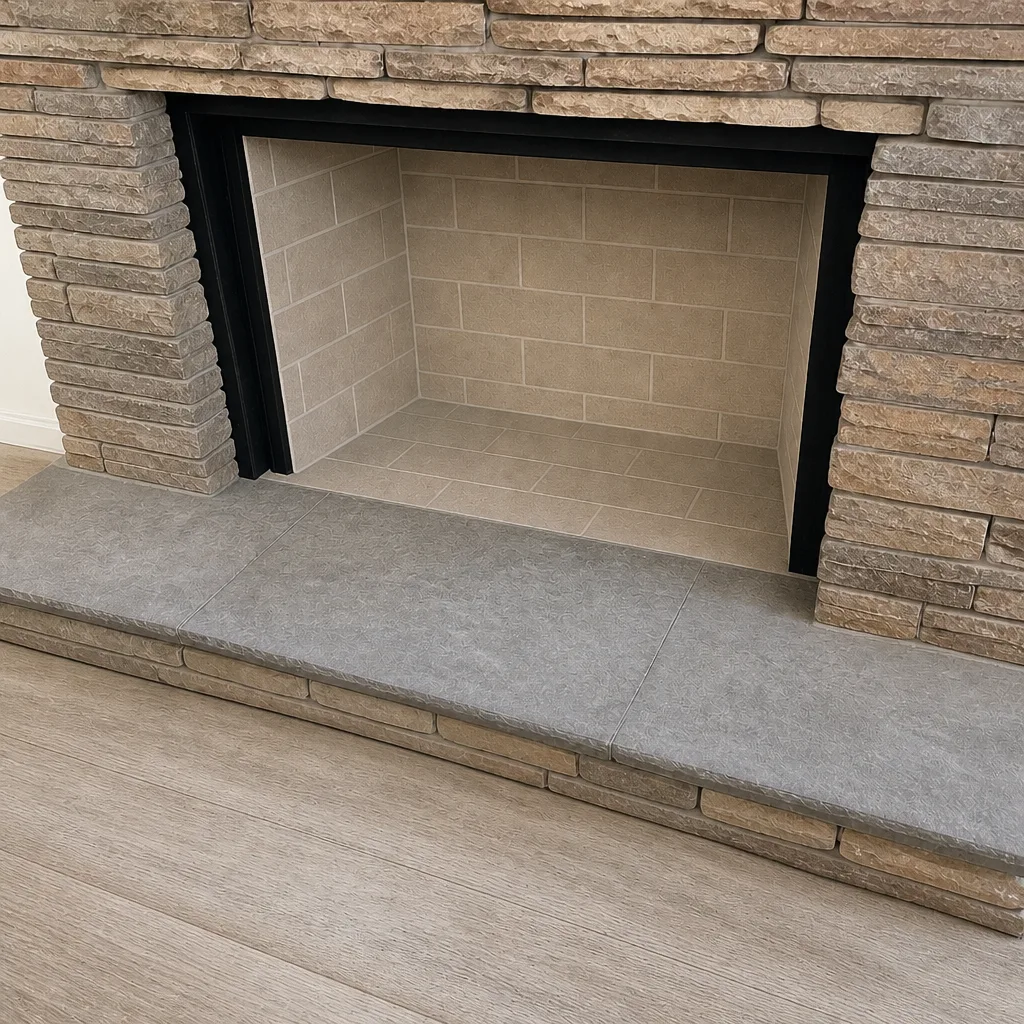
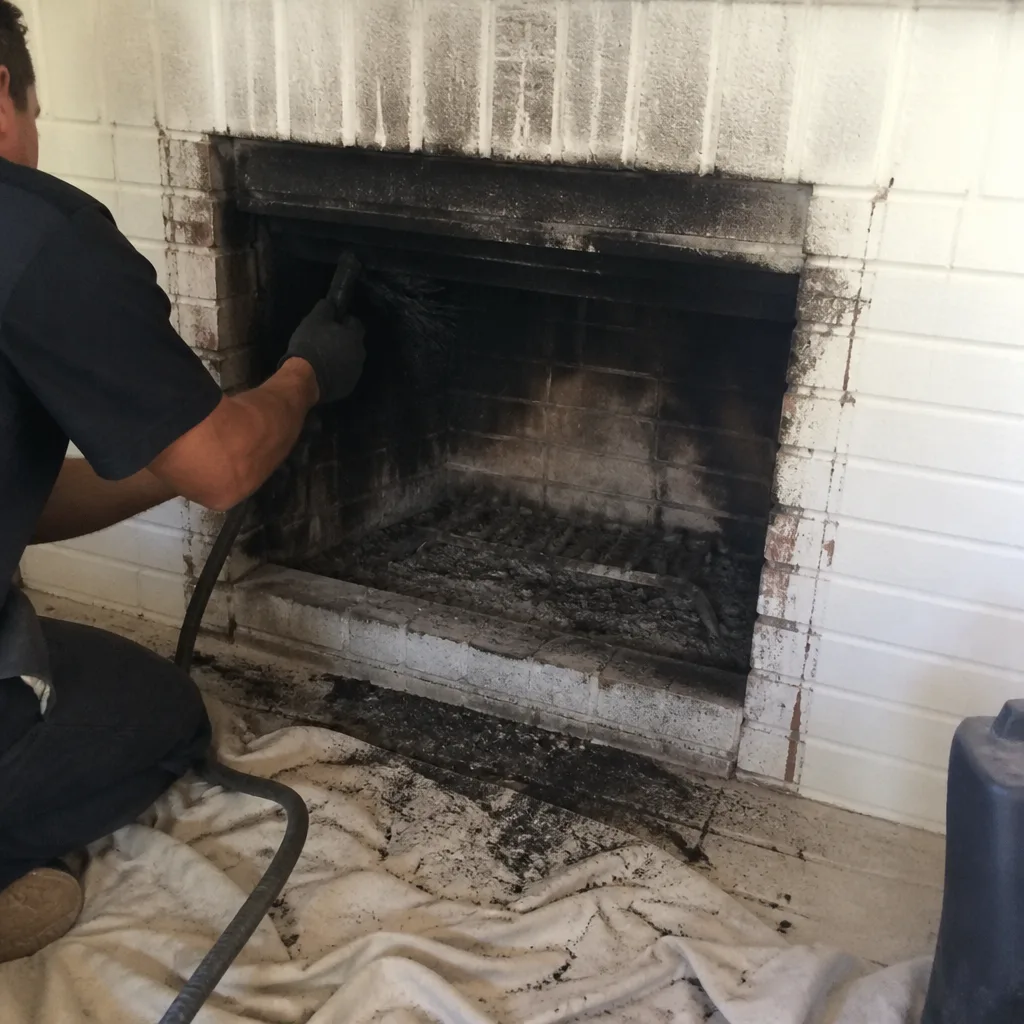
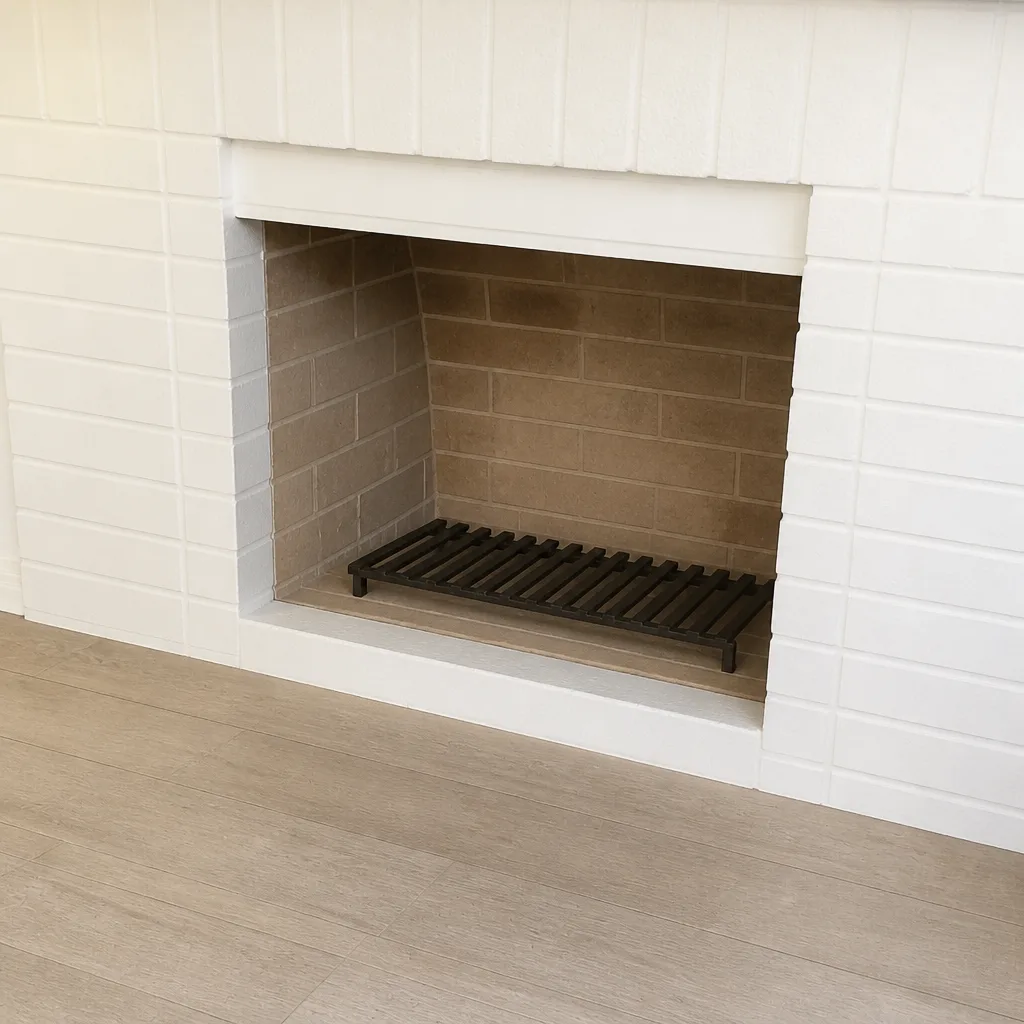
See the difference
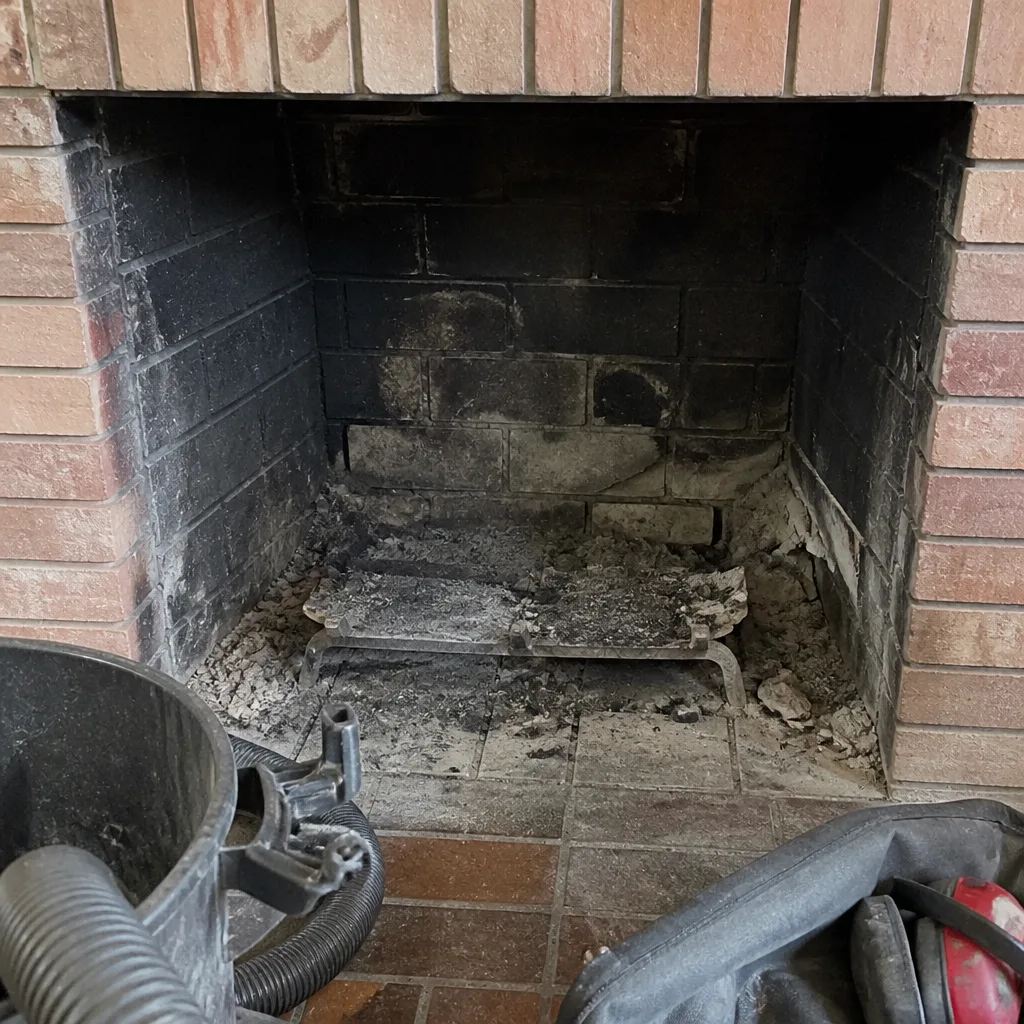 Before
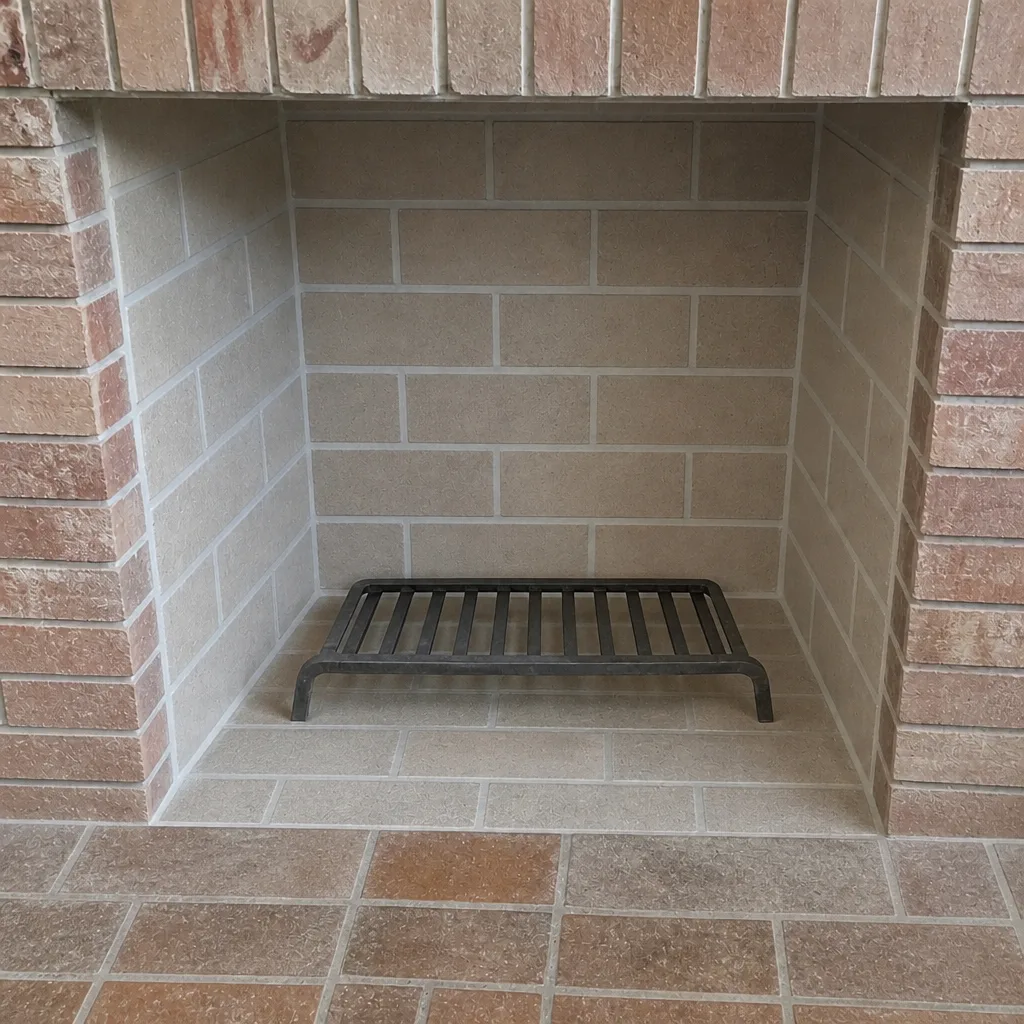 After
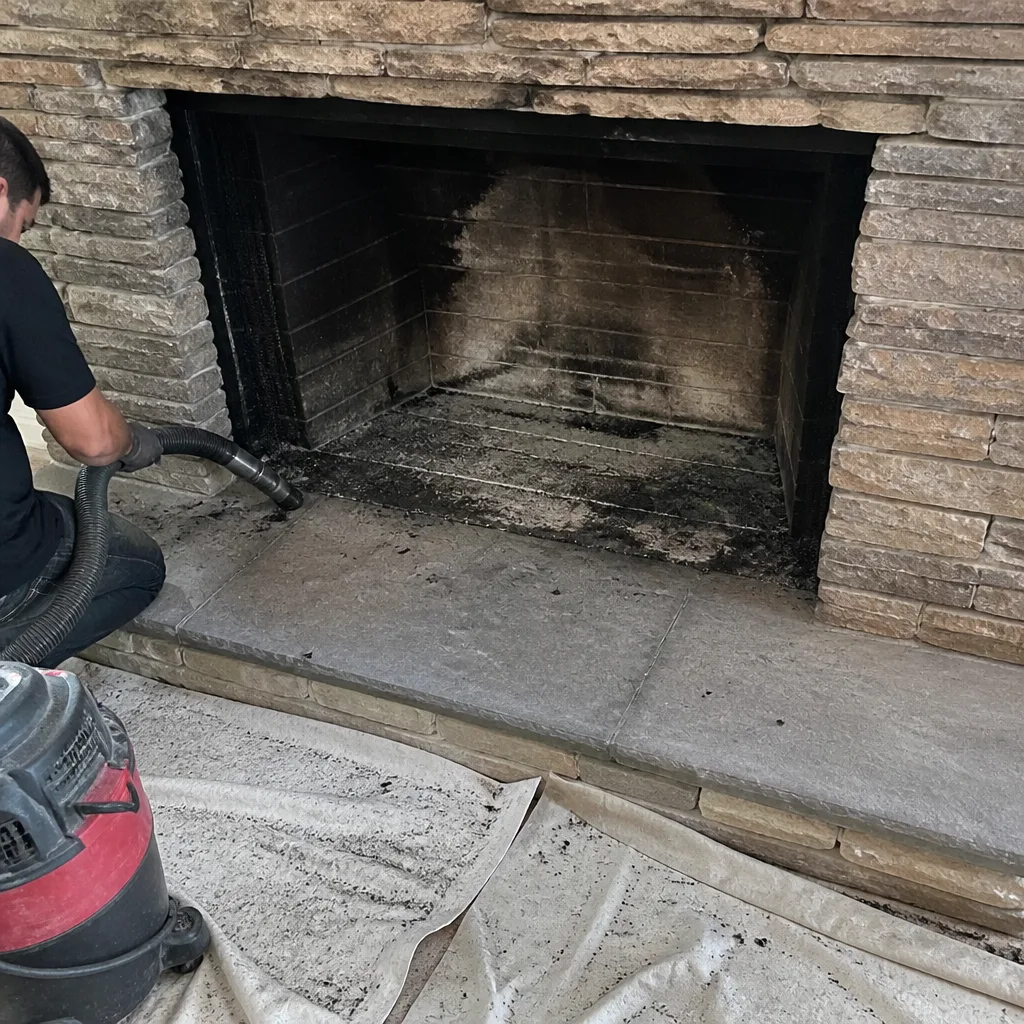 Before
 After
 Before
 After
Frequently Asked Questions
No. Routine chimney cleaning, sweeping, and a Level 1 inspection do not require a building permit in Aliso Viejo or anywhere else in California. If your technician starts talking about a liner or structural work during the cleaning, that’s a different category, and it needs a permit. Call (833) 847-7241 for an exact quote; estimates are free.
Yes, in most cases. Relining is treated as a structural alteration of the venting system under the California Residential Code, and most jurisdictions require a permit. Confirm with your local building department before the work starts, because the permit is the record that protects the home during a sale or an insurance claim. Call (833) 847-7241 for an exact quote; estimates are free.
A Level 2 inspection is required by NFPA 211 for real estate transactions, after a chimney fire, after any change to the system such as a relining or new appliance, and after an event that could have damaged the chimney. In Aliso Viejo, the most common trigger is a home sale. Call (833) 847-7241 for an exact quote; estimates are free.
CSIA certification is a credential of the person doing the inspection; a permit-grade inspection is a written report with photographic and video evidence that a building department or underwriter will accept. A certified sweep can produce either, but the report is what carries weight. Ask for the written report and the camera footage. Call (833) 847-7241 for an exact quote; estimates are free.
A routine sweep with a Level 1 inspection typically runs $200 to $350 in the Aliso Viejo market, and a Level 2 with camera scan and written report typically runs $300 to $550. The written estimate sets the final price. Call (833) 847-7241 for an exact quote; estimates are free.
Not every chimney needs a new liner, and the decision should come from a camera scan showing actual deterioration. When a new liner is warranted, yes, it needs a permit in most California jurisdictions. A HeatShield ceramic flue resurfacing is an alternative when the liner is still structurally sound, and whether that requires a permit depends on the jurisdiction. Call (833) 847-7241 for an exact quote; estimates are free.
The chimney may perform fine for a while, but an undetected liner crack or clearance issue becomes a documented problem at the worst moment: a home sale, an insurance review, or after a chimney fire. Skipping the inspection doesn’t prevent the finding; it just delays it. Call (833) 847-7241 for an exact quote; estimates are free.
The Bottom Line
Cleaning doesn’t need a permit. Structural chimney work generally does. The line runs through relining, crown rebuilds, flashing, and any structural change above the roofline, and the California Residential Code, NFPA 211, and local Aliso Viejo municipal requirements all meet at that line. A Level 2 inspection is the documentation that protects the work, the sale, and the insurance claim, and it’s worth the cost even when it isn’t strictly required. Permitted, documented, brand-specific work costs a bit more up front. Unpermitted, undocumented work costs more at the moment you can least afford it.
Contact
Aliso Viejo Chimney Sweep Pros provides chimney sweep, fireplace repair, chimney repair, chimney inspection, and chimney cap and crown services, working with DuraFlex, HeatShield, Gelco, Olympia Chimney, Famco, and Copperfield. We’ll help you sort out what’s permitted, what’s exempt, and what your chimney actually needs. Call (833) 847-7241 for a free estimate. We answer 24/7, and fast dispatch runs from 7am to 7pm, Sunday through Friday.
Written by the team at Aliso Viejo Chimney Sweep Pros.