
Last updated November 25, 2026
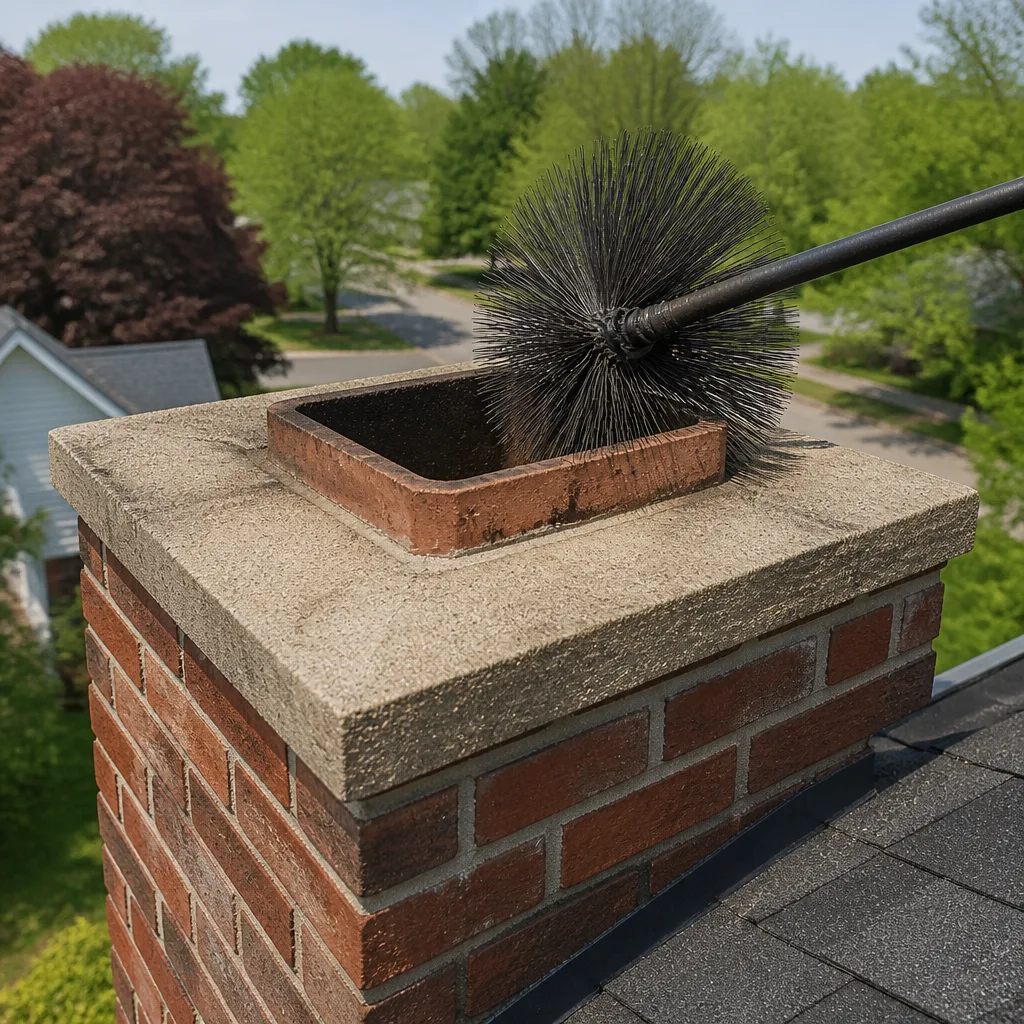 Sweep & inspection
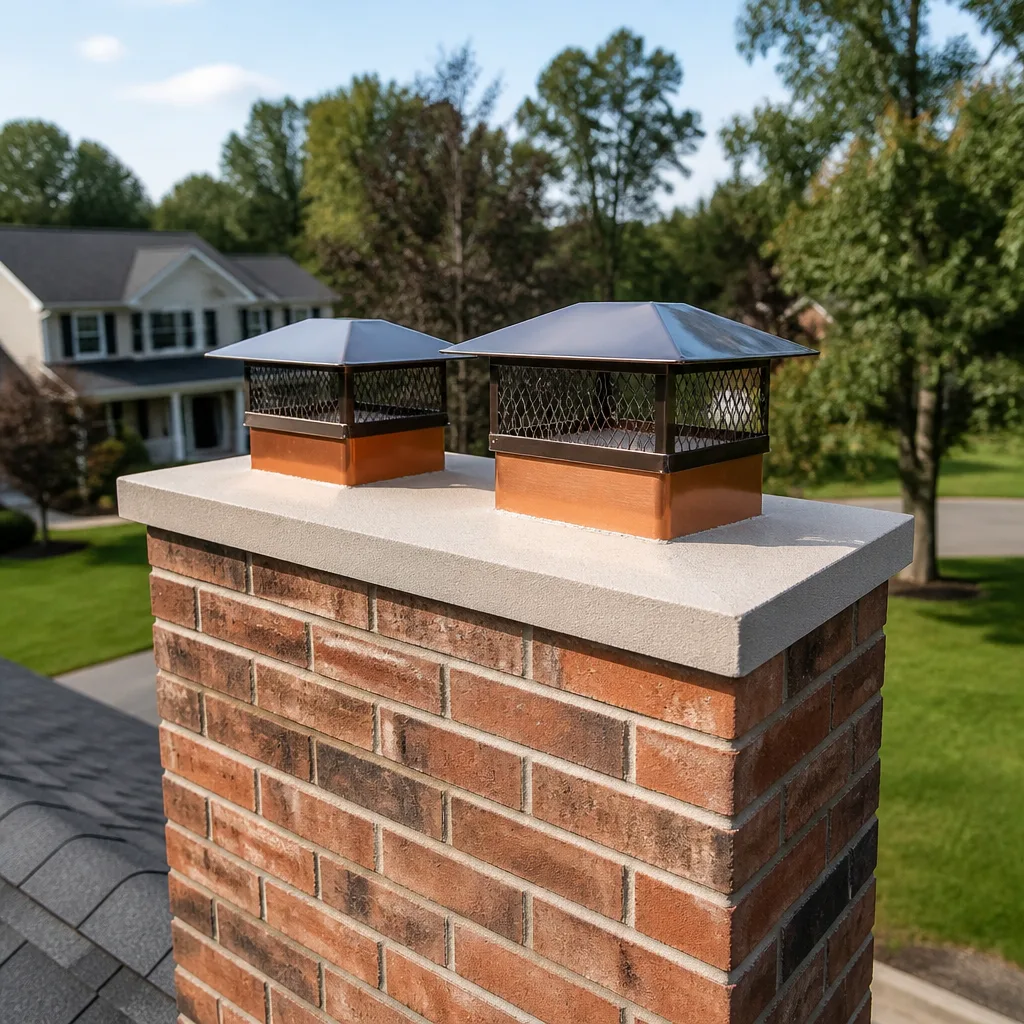 Caps & crowns
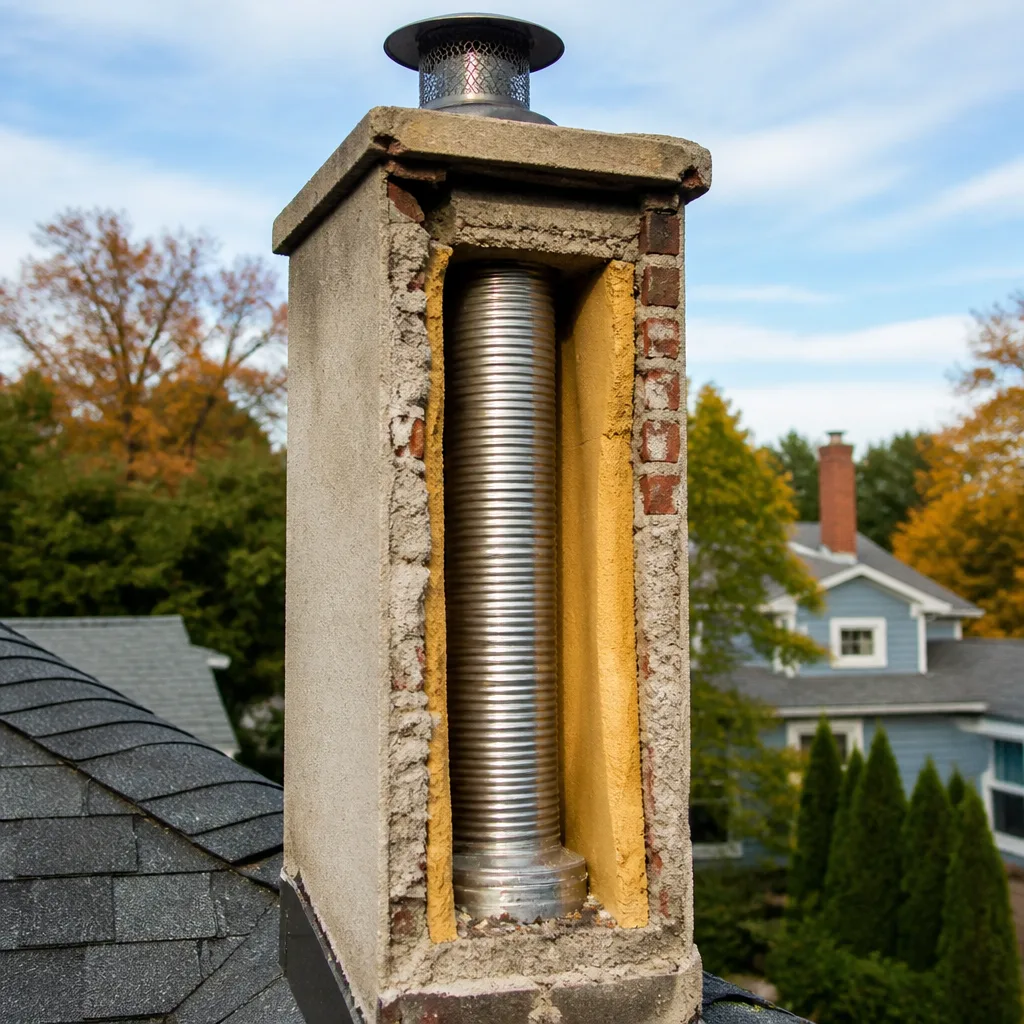 Flue relining
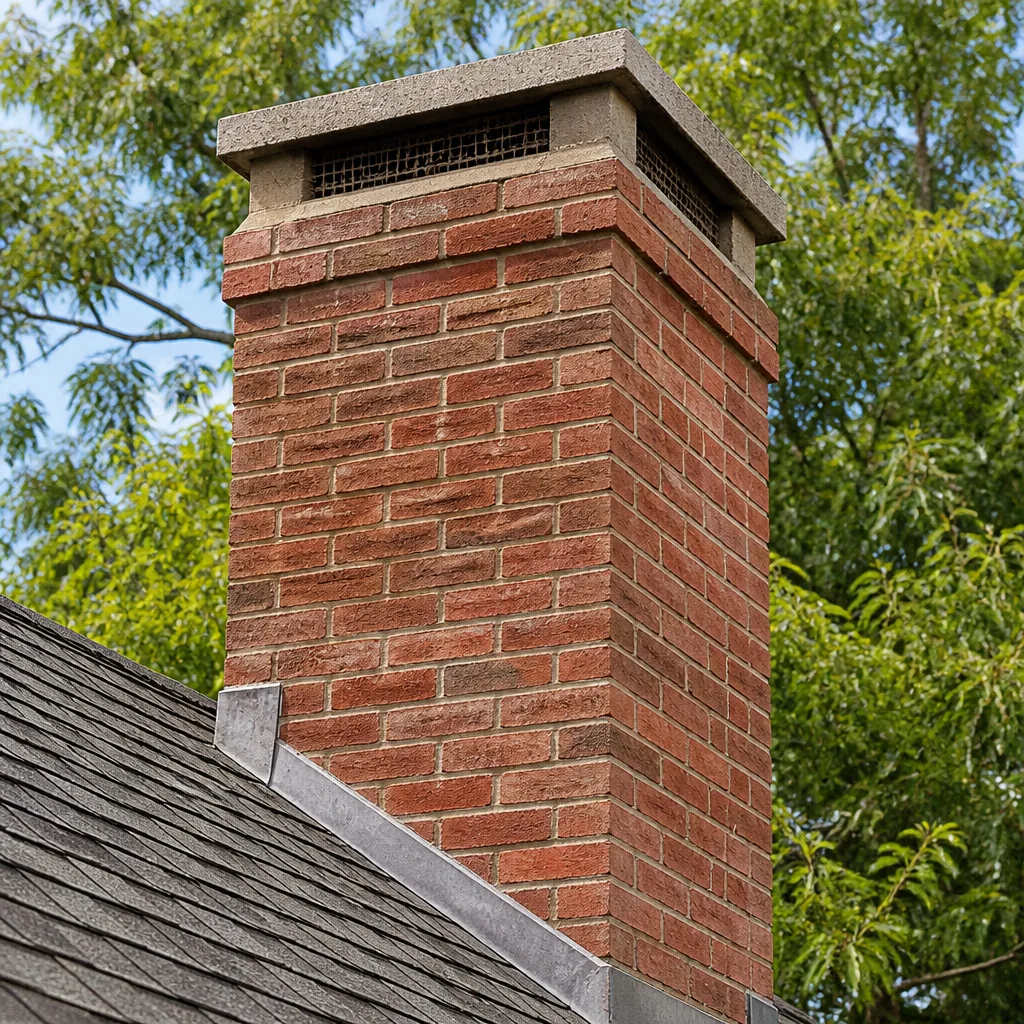 Masonry repair
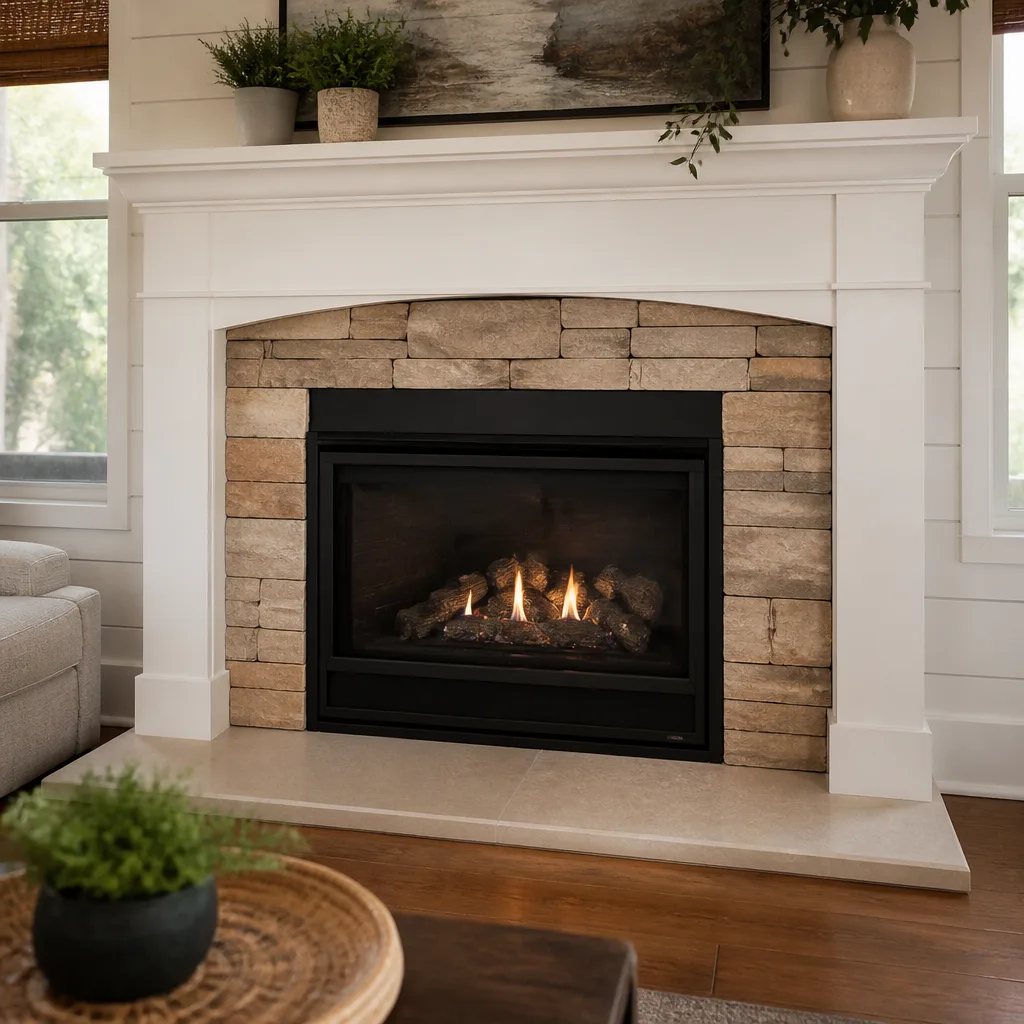 Gas fireplace service
Level 1 sweep and inspection to the NFPA 211 annual standard - flue, crown, cap, and flashing checked and photographed
Chimney sweep logs do not sweep chimneys. They loosen some creosote - which then falls where a brush and vacuum still have to collect it.
Chimney Cleaning Warning Signs: An Aliso Viejo Homeowner’s Reference Guide
Most people picture a chimney problem as something dramatic: flames where they shouldn’t be, or a fireplace that suddenly won’t light. In our experience, the real warning signs are quiet. A faint chalky stain on the brick. A puff of smoke that rolls into the room when the fire first catches. A smell that shows up in August, months after the last fire went out. These are system signals, and they point to a specific component that’s starting to fail. This guide breaks those signals down piece by piece, so you can tell the difference between a maintenance item and something structural. It’s written from Aliso Viejo, where mild winters mean fireplaces sit idle for months and small problems have time to grow.
Quick Answer
Chimney cleaning warning signs are the visible and smellable signals that your flue, crown, cap, liner, or firebox has a problem worth inspecting: white mineral stains on exterior brick, crumbling mortar, a flue that smells in summer, smoke that rolls back into the room, and broken or missing caps and crowns. In Aliso Viejo’s mild, dry climate these signs often develop slowly and quietly between burning seasons, which is exactly why they’re easy to miss. A professional inspection before your first fire of the year catches them while they’re still cleaning-level issues rather than structural repairs.
Styles & brands we work with
- Sweep & inspection
- Caps & crowns
- Flue relining
- Masonry repair
- Gas fireplace service
Table of Contents
- Why White Staining on Your Chimney Exterior Is the First Signal to Take Seriously
- Component-by-Component Warning Signs: Crown, Cap, Flashing, Liner, Smoke Chamber, Damper, Firebox
- Creosote Odor in Summer vs. Smoke Odor During a Fire
- How to Tell Spalling Brick From Cosmetic Staining
- What a Correctly-Drawing Fireplace Feels Like (and How to Do a Basic Draft Check)
- Warning Signs Specific to Gas Inserts and Prefab Fireplaces
- Aliso Viejo’s Burning Season and Why Timing Your Inspection Matters
- What a Full-System Inspection Actually Covers
Why White Staining on Your Chimney Exterior Is the First Signal to Take Seriously
A white, chalky residue on the outside of your chimney is called efflorescence, and it’s not a cosmetic issue. It’s evidence that water is moving through the mortar, brick, or liner and carrying dissolved salts outward as it dries. By the time those salts show up on the surface, moisture has already been working its way through the system from the inside.
Here in Aliso Viejo, we don’t get the freeze-thaw cycling that breaks masonry apart in colder parts of the country. But the marine-influenced air and the occasional wet winter still put real moisture stress on a chimney. When a crown cracks or flashing pulls away, water gets into the masonry and has nowhere to dry quickly. The efflorescence is the trail it leaves behind.
What matters diagnostically is where the stain appears:
- Along the mortar lines: usually points to failing mortar joints that are pulling in water and a crown that’s no longer shedding it away from the stack.
- In patches across the brick faces: often means the brick itself has become saturated, which is a more serious moisture problem than surface staining.
- Around the flashing at the roof line: the flashing has likely separated, letting water track down the chimney instead of over the roof.
- On the cap and crown: moisture is getting into the top of the chimney, which is the most common entry point and the easiest to fix before it spreads.
We see efflorescence on a lot of Aliso Viejo chimneys that look fine from the street. It’s one of the signals we look at first during a full-system inspection, because it tells us where to look inside. If you’re already seeing it, that’s your cue to get the system looked at before the next burn season, not after.
Component-by-Component Warning Signs: Crown, Cap, Flashing, Liner, Smoke Chamber, Damper, Firebox
Every part of a chimney fails in its own way. Knowing which component produces which signal is what lets you describe the problem accurately and avoid being sold a repair you don’t need. Before we sweep, we inspect, and this is the framework we use.
Crown
The crown is the concrete or mortar cap at the very top that sheds water away from the flue. Look for hairline cracks, a crown that’s pulling away from the flue tile, or a surface that’s crumbling. A cracked crown is the single most common way water enters a chimney in Aliso Viejo.
Cap
A chimney cap keeps rain, birds, and debris out of the flue. Missing, rusted, or bent caps let water straight down the liner. If you see no cap at all, that’s an open door to moisture and wildlife.
Flashing
Flashing is the metal that seals the chimney to the roof. Gaps, lifted edges, or rusted-through flashing show up as stains on the ceiling near the chimney or rust streaks on the stack. This one is a roof-integration problem more than a flue problem.
Liner
The liner carries smoke and gases out. Cracks, gaps at the joints, or a flaking, spalling interior surface mean heat and gases are reaching the masonry structure. It’s the component most tied to fire risk, and the one that’s hardest to see without a camera.
Smoke Chamber
Above the damper, the smoke chamber funnels smoke into the flue. Rough, corrugated surfaces there collect creosote and slow the draft. A smoky fireplace is often a smoke chamber problem, not a flue problem.
Damper
The damper should open fully and close tight. A damper that sticks open wastes heat and lets cold air in; one that won’t open fully causes smoke backup.
Firebox
Cracked firebrick, loose mortar joints, or a firebox that’s pulling away from the surround all signal heat getting where it shouldn’t. This is where we’d bring in fireplace repair work alongside the sweep.
Creosote Odor in Summer vs. Smoke Odor During a Fire
These two smells look similar on the surface but point to completely different problems. Getting the distinction right tells you whether you’re looking at a cleaning job or a draft and liner issue.
Creosote odor in summer happens because creosote deposits left in the flue react to warm, humid air. It’s a cleaning issue. The deposits are there, the flue isn’t drawing well enough to pull the smell up and out, and the fix is a proper sweep. In Aliso Viejo, that warm-season smell is common because the fireplace has been idle since spring and the deposits have had months to off-gas into the house.
Smoke odor during a fire is a different signal. The smoke isn’t going up the flue the way it should. That points to one of a few things:
- An obstruction in the flue, such as a bird nest or a fallen cap piece.
- A liner with damage or separation that’s disrupting the draft path.
- A smoke chamber or damper problem that’s slowing the flow.
- Negative pressure in the house pulling smoke back down the chimney.
If smoke rolls into the room mid-fire, stop using the fireplace until a professional has looked at it. A creosote smell in July is an inconvenience you can schedule around. Smoke in the room in January is a reason to stop burning.
Weather also matters here. On a warm day with low pressure, even a healthy flue can struggle to draw, because the temperature difference between the inside of the flue and the outside air is small. Cold starts on a mild Aliso Viejo evening are the hardest on draft. If the smoke only backs up on the first fire of the season but draws fine once the flue warms, that’s a different signal than smoke on every fire, and worth telling your inspector about.
How to Tell Spalling Brick From Cosmetic Staining
Spalling brick and cosmetic staining look similar from the ground. The difference is whether the surface is breaking down or just discolored, and that single distinction decides whether you’re looking at a surface repair or structural work.
Cosmetic staining sits on or just under the surface. The brick face is intact when you touch it. It’s usually caused by weathering, a rust streak from flashing, or the start of efflorescence. It’s worth cleaning and monitoring, but it’s not a structural signal.
Spalling brick is physically failing. The outer face of the brick is flaking, peeling, or popping off. Mortar joints look recessed or powdery. When you press on the surface, material comes away. Spalling usually means the masonry has been repeatedly wet and dried, which weakens it from the inside out.
Here’s how we ask homeowners to tell them apart:
- Look at the surface under a bright light. Flaking or powdery faces mean spalling; a flat, discolored face means staining.
- Tap gently with a screwdriver handle, not the tip. A dull thud suggests the brick is sound; a hollow or crumbling feel suggests it’s failing.
- Check the mortar joints. Recessed or sandy joints are the most common sign that water has been cycling through the masonry.
- Follow the water. If the staining starts near the crown, the cap, or the flashing, the moisture source is above and the brick is at risk of spalling if it goes unaddressed.
The best outcome is catching spalling early, while the fix is repointing, crown repair, and a new cap, rather than rebuilding a chimney section. Aliso Viejo chimneys that sit under a cracked crown through a couple of wet winters tend to be where we see spalling start.
What a Correctly-Drawing Fireplace Feels Like (and How to Do a Basic Draft Check)
A fireplace that draws properly behaves in very specific ways, and knowing what that feels like tells you when something is off. On a healthy fireplace:
- Smoke pulls steadily up and away as soon as the fire catches.
- The fire burns bright, with a clear flame, not a smoldering one.
- The room stays smoke-free, with no lingering smoky smell after the fire dies.
- The flue draws stronger as the fire warms the chimney.
A fireplace with a partial blockage or liner damage often feels the opposite. The fire burns sluggish, smoke curls at the top of the firebox before escaping, and the room gets smoky near the ceiling. On cold-start nights, those symptoms can be subtle enough to write off as weather, which is why a basic draft check is worth doing before the burning season starts.
Here’s how to do a simple draft check without touching anything inside the flue:
- Open the damper fully and confirm it’s actually open (some dampers look open but aren’t).
- Light a small piece of newspaper or a match and hold it near the open damper.
- Watch the smoke. It should pull up and away cleanly. If it curls back into the room or wavers, draft is compromised.
- If smoke pulls fine cold but backs up during a fire, that’s a different signal: a hot-flue draft issue, often an obstruction or a smoke chamber problem.
- If smoke refuses to draw either way, stop. Don’t burn until an inspection clears the flue.
A weak draft is one of the clearest signs something in the flue or smoke chamber is wrong. We’ve seen it come from bird nests, a fallen cap, liner damage, and smoke chamber buildup. The draft check tells you the system is compromised. An inspection tells you why.
Warning Signs Specific to Gas Inserts and Prefab Fireplaces
Gas inserts and prefab fireplaces produce warning signs that look different from a masonry wood-burning system. Homeowners who know what to check on a gas unit catch problems that would be invisible in a traditional fireplace.
Gas insert warning signs
- Lazy or uneven flame: a yellow, sooty flame where there used to be a clean blue one is a combustion signal, not just an aesthetic one. It usually means the air-to-gas mix has changed.
- Soot on the glass or firebox panels: a gas unit shouldn’t produce visible soot. If it does, something is off in combustion or venting.
- A smell of gas or unusual exhaust smell when running: a venting problem, not just an adjustment. Stop using it until it’s inspected.
- Condensation or moisture on the glass: sometimes a sign of venting issues or a blocked flue.
- Delayed ignition or a pop when it lights: a service issue that shouldn’t be ignored.
Prefab fireplace warning signs
Prefab fireplaces have a factory-built firebox and their own venting system, which fails differently from masonry:
- Cracked or rusted firebox panels: prefab fireboxes aren’t meant to be repaired the way masonry is. A cracked panel usually means the unit isn’t safe to use.
- Missing or damaged vent sections: the venting runs through the wall or roof and can pull apart or rust at the joints.
- Sagging or warped metal components: heat has been reaching parts of the unit that shouldn’t get that hot.
- Visible creosote or glaze in the vent: yes, prefab wood-burning units build creosote too, and the vent is where it collects.
Gas and prefab units don’t get the attention masonry chimneys do, partly because they “look clean.” A gas insert with a soot issue or a prefab with a cracked panel can be a real safety concern even though nothing looks wrong from the room. We include those systems in the same chimney sweep visit, so nothing gets skipped just because it’s the less obvious system in the house.
Aliso Viejo’s Burning Season and Why Timing Your Inspection Matters
Aliso Viejo burns later and more casually than colder parts of the country. That mild climate is why timing matters: there’s a real fire season, the shoulder months are long, and a lot of chimney problems get a full off-season to sit and get worse before anyone notices.
Here’s the pattern we see. Most Aliso Viejo homeowners light their fireplace for the first time sometime in the fall or early winter, burn through the cooler months, and then stop. The chimney sits unused from spring through early fall. That’s five or six months in which a cracked crown takes in water, creosote deposits age and off-gas, and a small liner crack slowly worsens.
Two timing angles matter:
- Inspect before the first fire, not after the first problem. A pre-season inspection catches small issues while they’re still cleaning-level. That’s the cheapest and simplest time to fix anything.
- Sweep based on use, not just the calendar. A household that burns every evening through a season builds creosote faster than one that lights a fire a few times a year. If you aren’t sure, ask during the inspection; the camera and the soot buildup tell the story.
Another local factor: Aliso Viejo homes are close together, and many neighborhoods sit under trees or in a canyon-side orientation where leaves, twigs, and dust find their way onto roofs and into caps. A cap that’s been partially clogged through autumn can leave the first fire of the season smoking back into the room. Cleaning the cap and checking the flue before the first burn is a small step that prevents a bad first night.
What a Full-System Inspection Actually Covers
A full-system inspection is more than a look up the flue. It covers every part of the chimney from the firebox to the crown, and it’s what lets you tell the difference between “needs a sweep” and “needs repair.” Our technicians have up to 9 years of experience with these systems, and the inspection is where that experience pays off.
A thorough inspection walks the whole system:
- Firebox and damper: checking for cracked firebrick, loose mortar, and a damper that opens and closes freely.
- Smoke chamber: looking for rough surfaces, corrugation, and buildup that slows draft.
- Flue and liner: a camera inspection of the full length of the flue to check for cracks, gaps, and separation at the joints.
- Crown and cap: confirming the crown is intact and shedding water, and the cap is present, secure, and clear.
- Flashing and roof line: checking that the chimney is sealed to the roof and water can’t track in.
- Exterior masonry: looking for efflorescence, spalling, and mortar joint failure.
What we find decides what gets recommended. A flue with moderate buildup and an intact liner needs a sweep. A liner with surface deterioration but no full cracks may be a candidate for HeatShield ceramic flue resurfacing, which addresses the interior without a full liner replacement. A chimney with complex bends or offset sections may need relining with a flexible system like DuraFlex. A crown that’s cracked or a cap that’s missing gets fixed alongside the cleaning, so the rest of the work is protected.
What we don’t do is recommend a repair without evidence. That’s the part homeowners worry about most: being told the liner needs to be replaced without being shown why. The camera inspection and photo report are meant to close that gap. You see what we see, and if a repair can wait, we say so. If it can’t, we show you the reason. If you’re looking at structural work after a cleaning issue, chimney repair and crown work are handled by the same team, so you don’t need to track down a second contractor.
Common Mistakes to Avoid
- Skipping the inspection because nothing is visibly wrong. Most of the signs in this guide start small and stay hidden for a season or two. A sweep without an inspection misses them entirely.
- Treating efflorescence as cosmetic. A white stain on the brick is evidence of active moisture movement, not just weathering. Ignoring it lets water damage the crown, liner, and masonry from the inside.
- Burning after smoke backs up just once. A single smoke-back event in an Aliso Viejo home usually points to an obstruction, a draft issue, or a liner problem. Burning through it risks pushing smoke and carbon monoxide into the room.
- Hiring the cheapest listing without asking what’s in the report. A sweep that doesn’t include a camera inspection or a photo report tells you the flue was swept, not that it’s sound.
- Letting a cracked crown go through a wet winter. Aliso Viejo’s rainy season is short, but a cracked crown lets in enough water to start spalling. Repairing the crown before the weather turns saves the masonry below.
- Assuming a gas insert doesn’t need servicing. Gas inserts and prefab fireplaces need inspection too. Soot on the glass, a lazy flame, or a delayed ignition are real signals, not quirks.
- Only sweeping once and never checking the cap. A cap that’s come loose or partially clogged can undo everything the sweep just fixed. Cap and crown checks belong in the same visit.
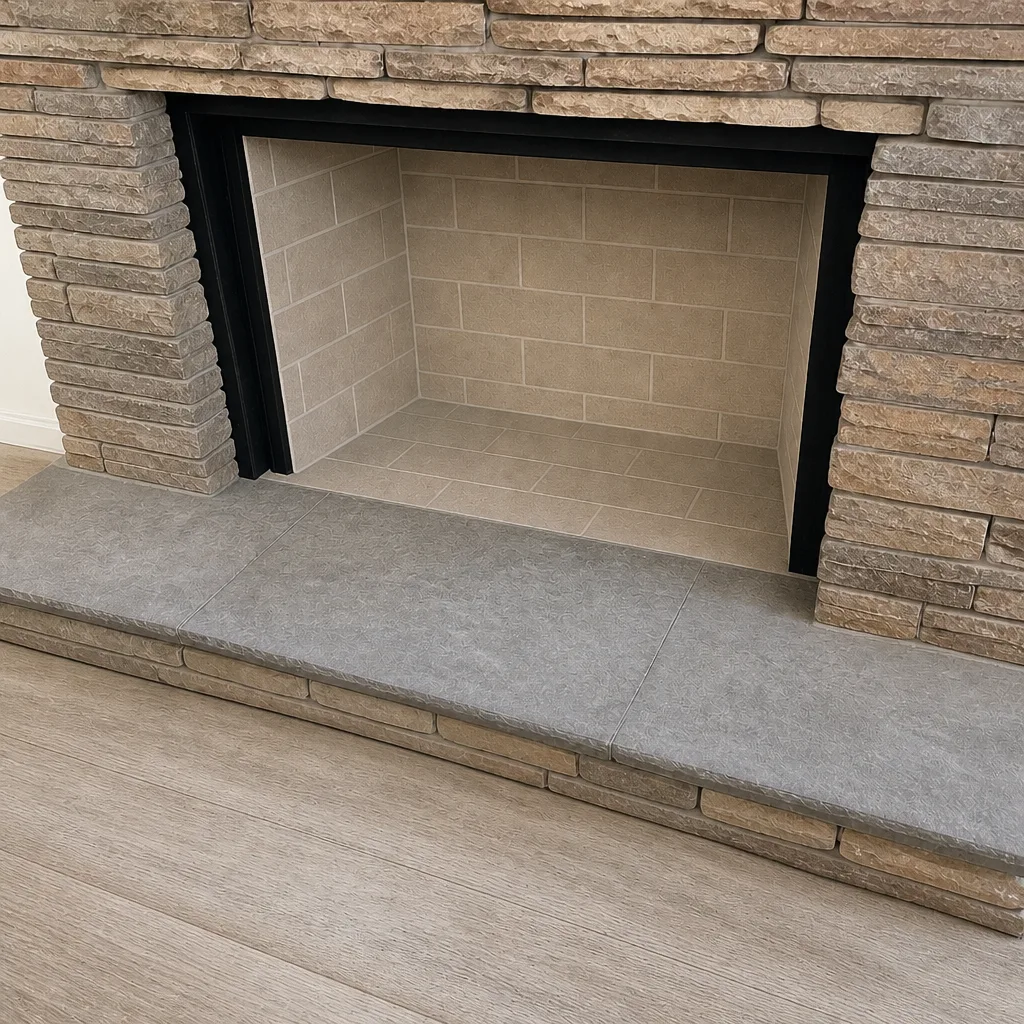
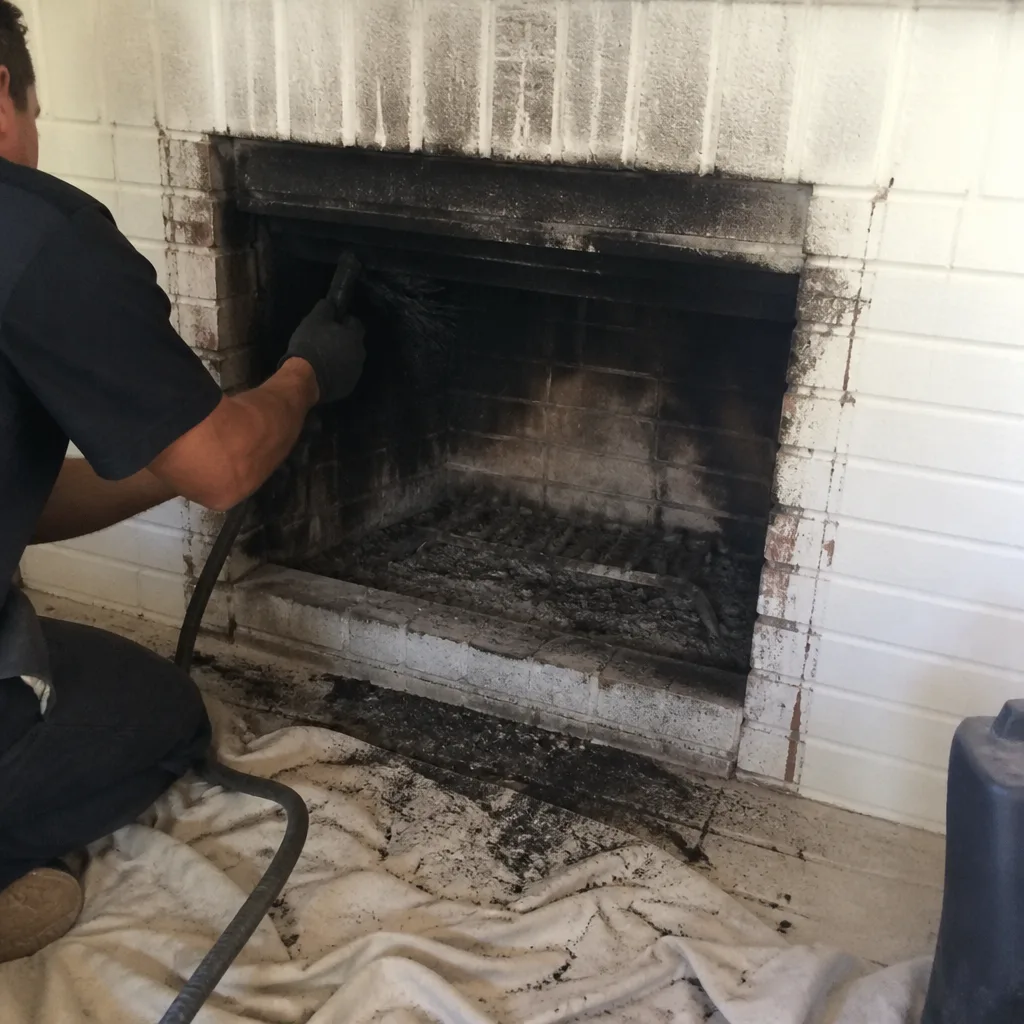
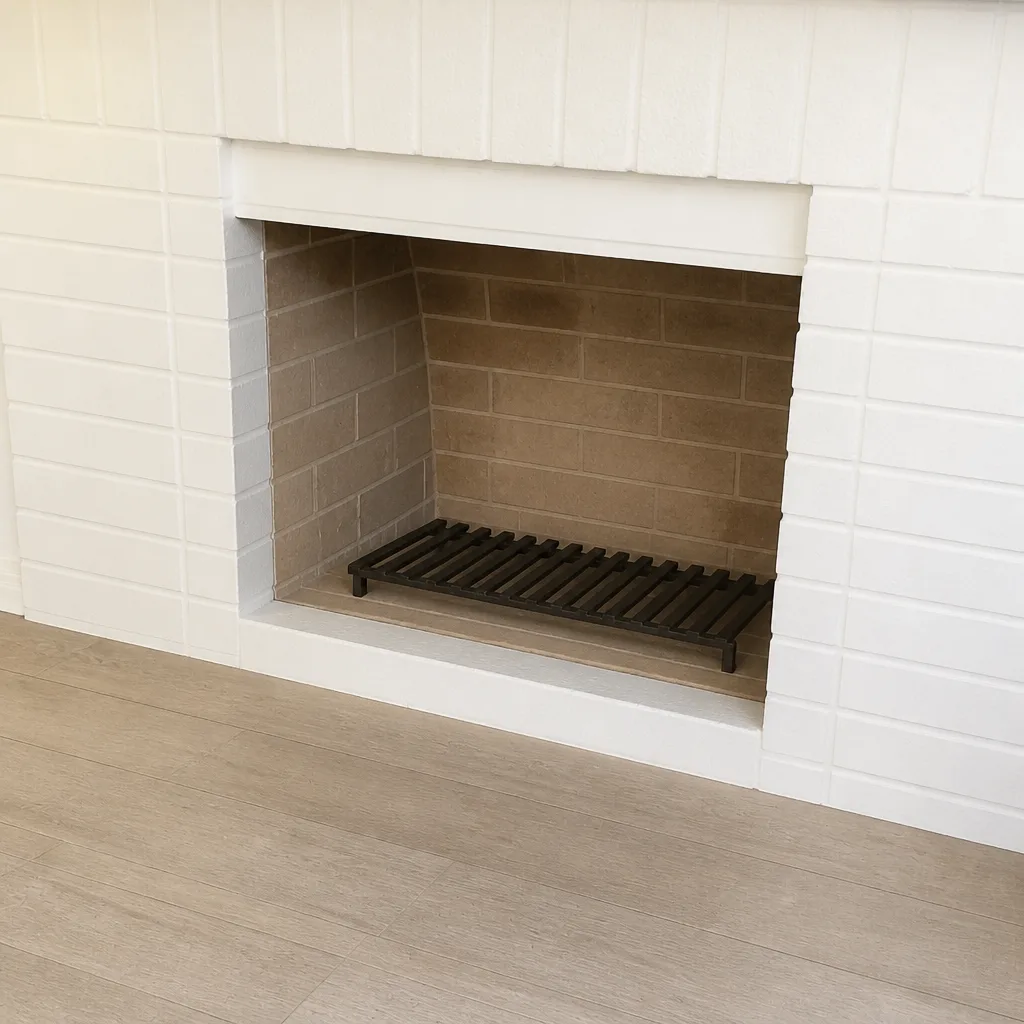
See the difference
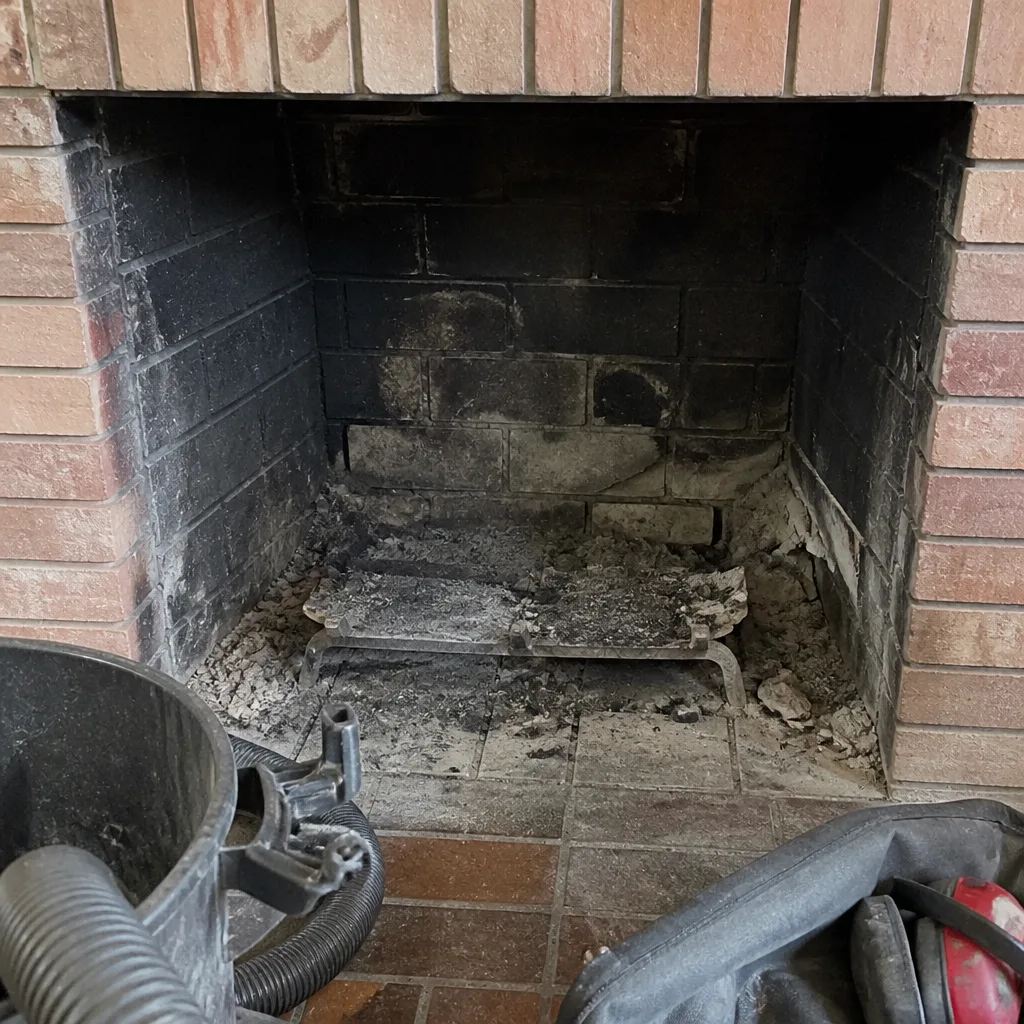 Before
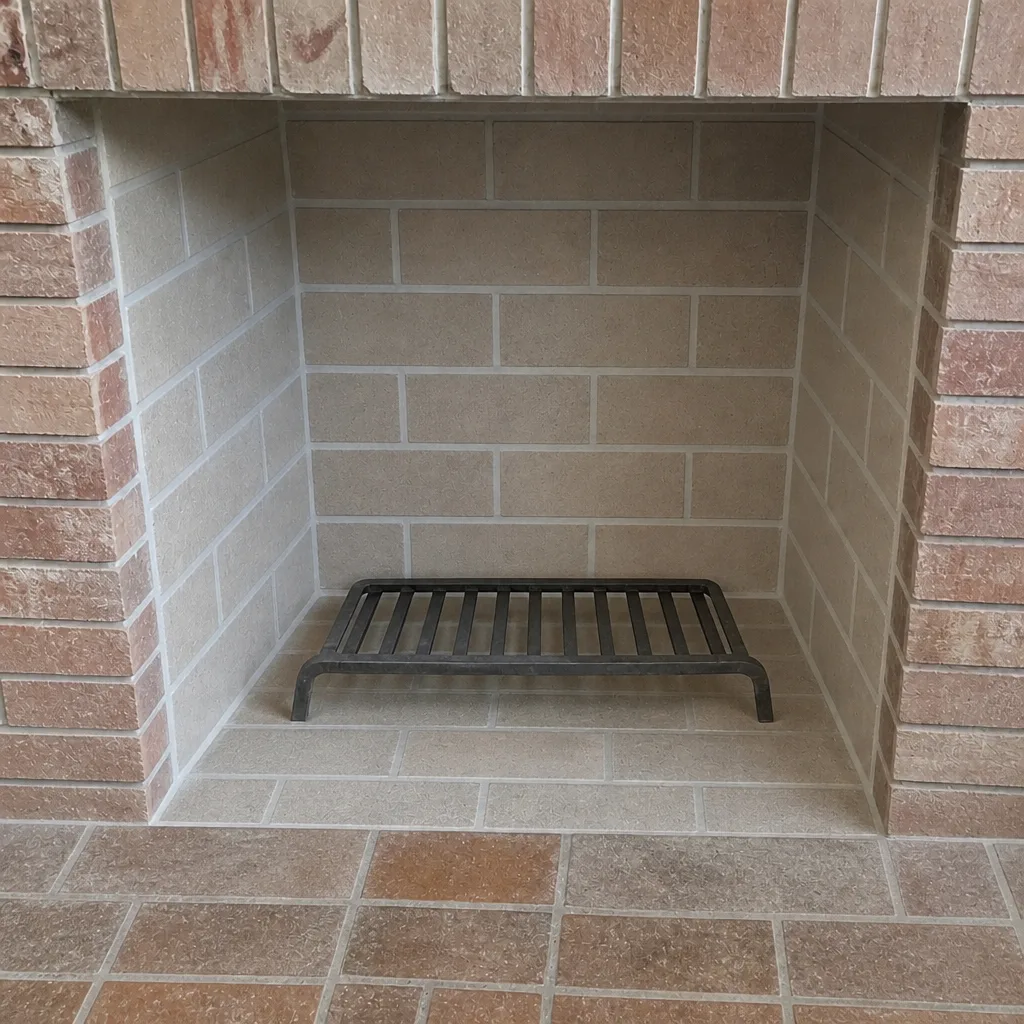 After
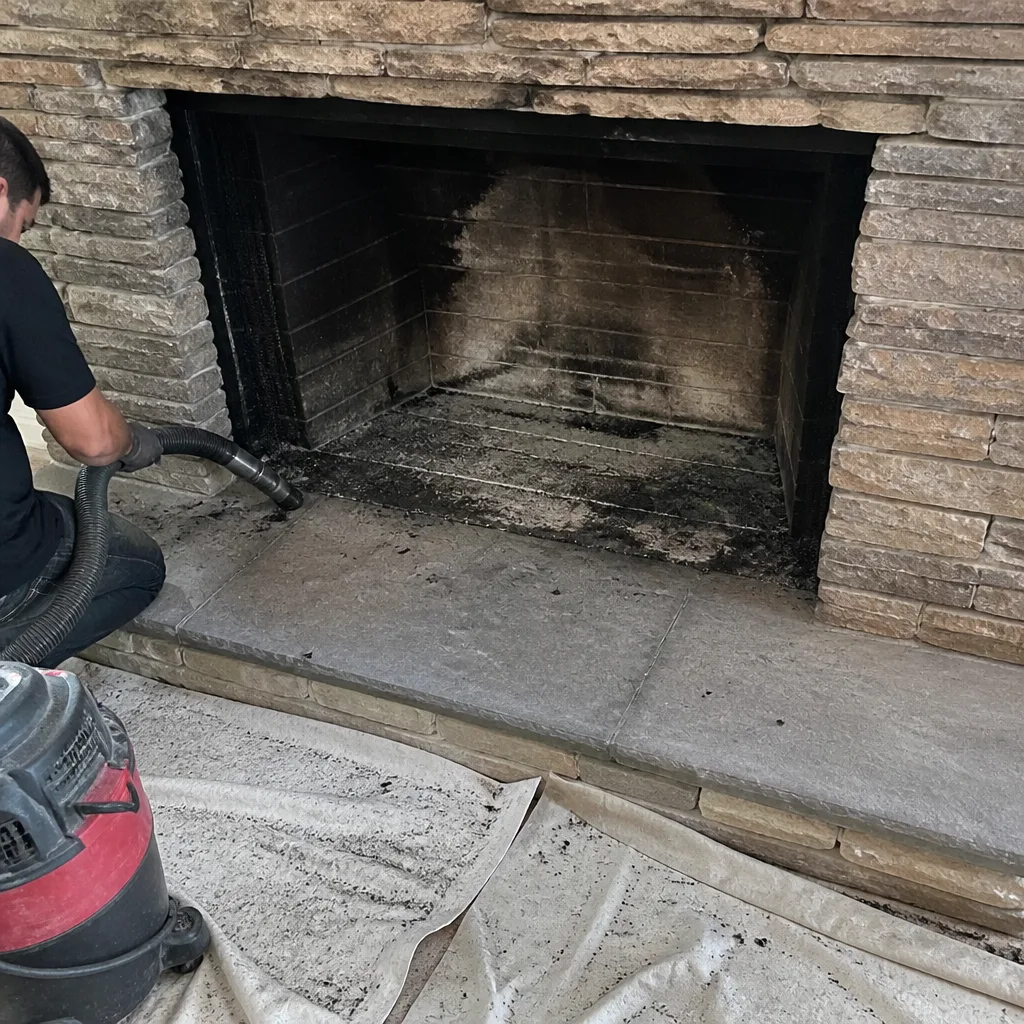 Before
 After
 Before
 After
When to Call a Professional
Call a professional when any of these are true:
- You see white efflorescence, spalling brick, or a cracked crown.
- Smoke rolls into the room during a fire, even once.
- You smell creosote in summer or smoke when nothing is burning.
- Your damper sticks, won’t open fully, or won’t close.
- The fire burns lazy or won’t draw on a cold start.
- You have a gas insert with soot on the glass, an odd flame, or a delayed ignition.
- You haven’t had the flue inspected in a while, and you don’t know the liner’s condition.
Carbon monoxide risk and fire risk are both tied to a compromised flue, so it’s worth acting when you see the signals rather than waiting to see if they resolve. Aliso Viejo Chimney Sweep Pros offers free estimates in Aliso Viejo. Call (833) 847-7241.
Frequently Asked Questions
The most common signs are white mineral staining on exterior brick, a cracked or crumbling crown, a missing or loose cap, a creosote smell in summer, and smoke that rolls into the room during a fire. In Aliso Viejo, these often develop quietly between burning seasons. Call (833) 847-7241 for an exact quote on an inspection; estimates are free.
A chimney should be swept once a year, or more often if the fireplace is used heavily. Aliso Viejo’s mild climate means many homeowners burn less than a cold-climate household, but the deposits still build, and a pre-season inspection is the simplest way to time it correctly. Call (833) 847-7241 for an exact quote; estimates are free.
White staining, called efflorescence, is a moisture issue, not a cleaning one. It means water is moving through the masonry, usually from a cracked crown or failing flashing, and it needs an inspection. Left alone, it can progress to spalling brick, which is structural. Call (833) 847-7241 for an exact quote on an inspection; estimates are free.
You can, but the smell is telling you the flue is due for a sweep, and it’s better to get it cleaned before the first fire of the season. Creosote odor in summer is a cleaning signal, not an emergency. Call (833) 847-7241 for an exact quote; estimates are free.
Yes, and they differ from masonry wood-burning signals. Soot on the glass, a lazy yellow flame where it used to burn clean, a delayed ignition, or a smell of exhaust point to combustion or venting problems that need inspection. A cracked or rusted firebox panel on a prefab usually means the unit isn’t safe. Call (833) 847-7241 for an exact quote; estimates are free.
Skipping a cleaning doesn’t fix anything and usually makes the issue worse. Creosote builds, moisture from a cracked crown keeps working into the masonry, and a small liner crack has more time to widen. The cost of waiting shows up later as structural repair. Call (833) 847-7241 for an exact quote; estimates are free.
The Bottom Line
Chimney warning signs are rarely dramatic. Most of them are the small, consistent signals that something in the system is degrading: chalky stains on the brick, a smell that comes and goes with the season, a fire that won’t draw the way it used to, a cap that’s no longer where it was. Knowing what each one points to lets you intervene before a cleaning-level issue becomes a structural repair.
Here in Aliso Viejo, that knowledge matters because problems have months to develop between burning seasons. The best move is a full-system inspection before the first fire of the year, with the camera evidence to back up whatever gets recommended. Nothing gets fixed without you seeing the reason, and if a repair can wait, we’ll tell you so.
Our technicians have up to 9 years of experience across all parts of the chimney system, and we handle sweep, repair, liner work, and cap and crown in one visit. We work with professional-grade brands including HeatShield for flue resurfacing, DuraFlex for flexible relining on complex flue configurations, and Olympia Chimney for caps and crowns. Aliso Viejo Chimney Sweep Pros is your single point of contact for both cleaning and structural work.
We answer 24/7. Fast dispatch from 7am to 7pm, Sunday through Friday, closed Saturday. Call (833) 847-7241 for a free estimate.
Written by the team at Aliso Viejo Chimney Sweep Pros.