
Last updated November 25, 2026
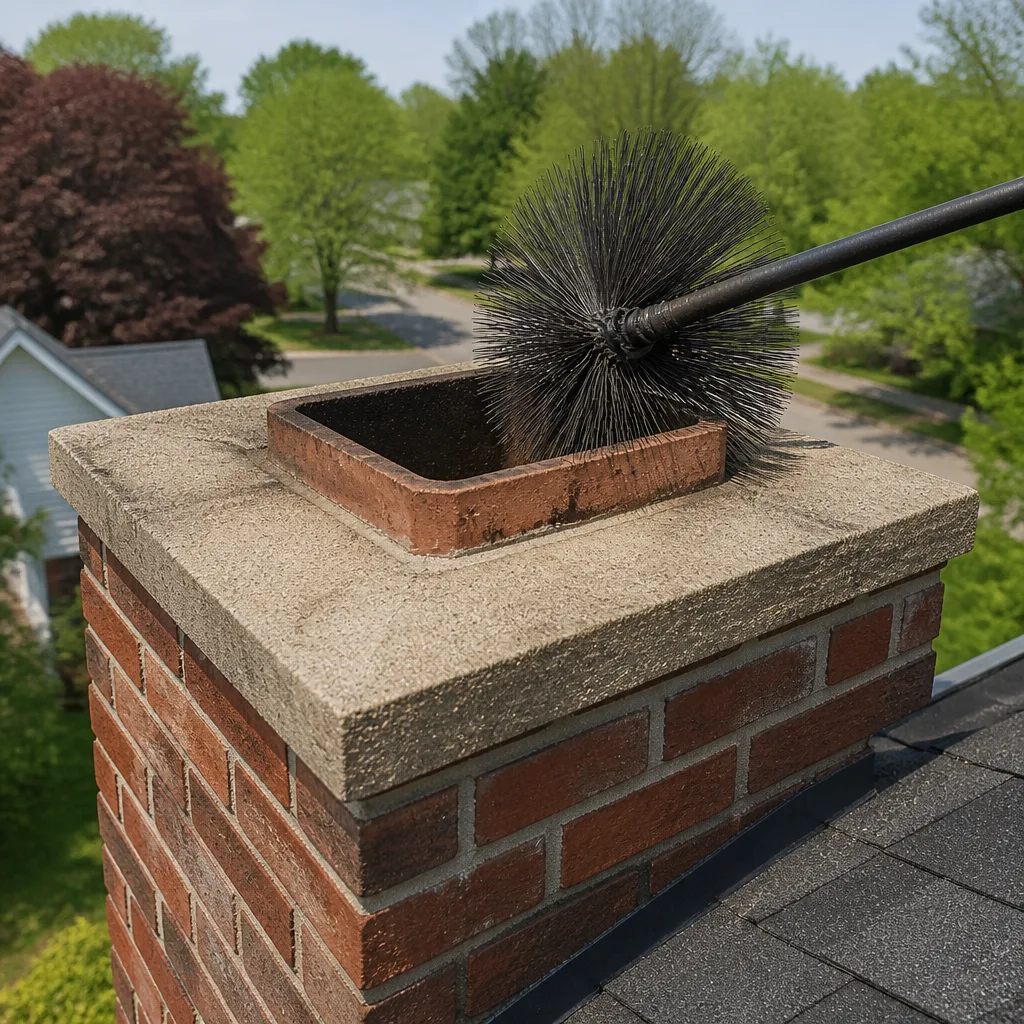 Sweep & inspection
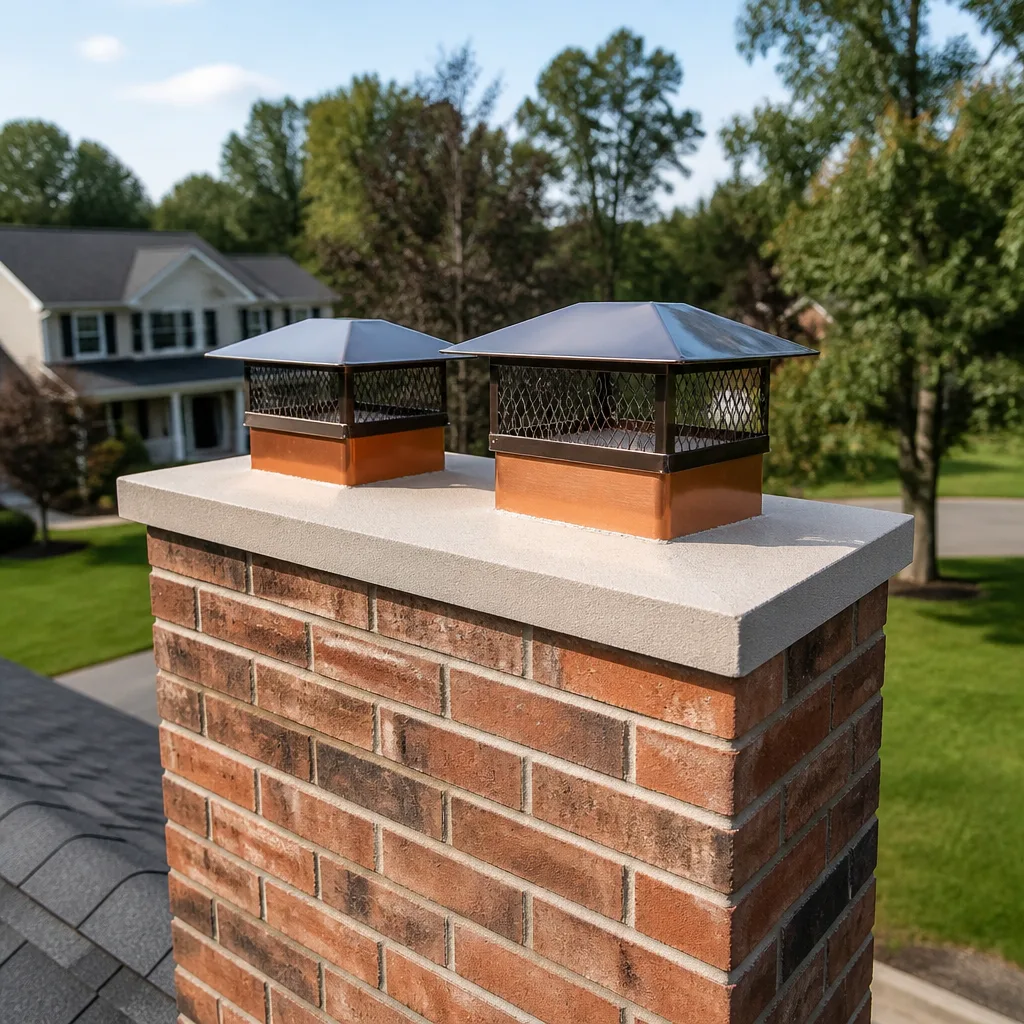 Caps & crowns
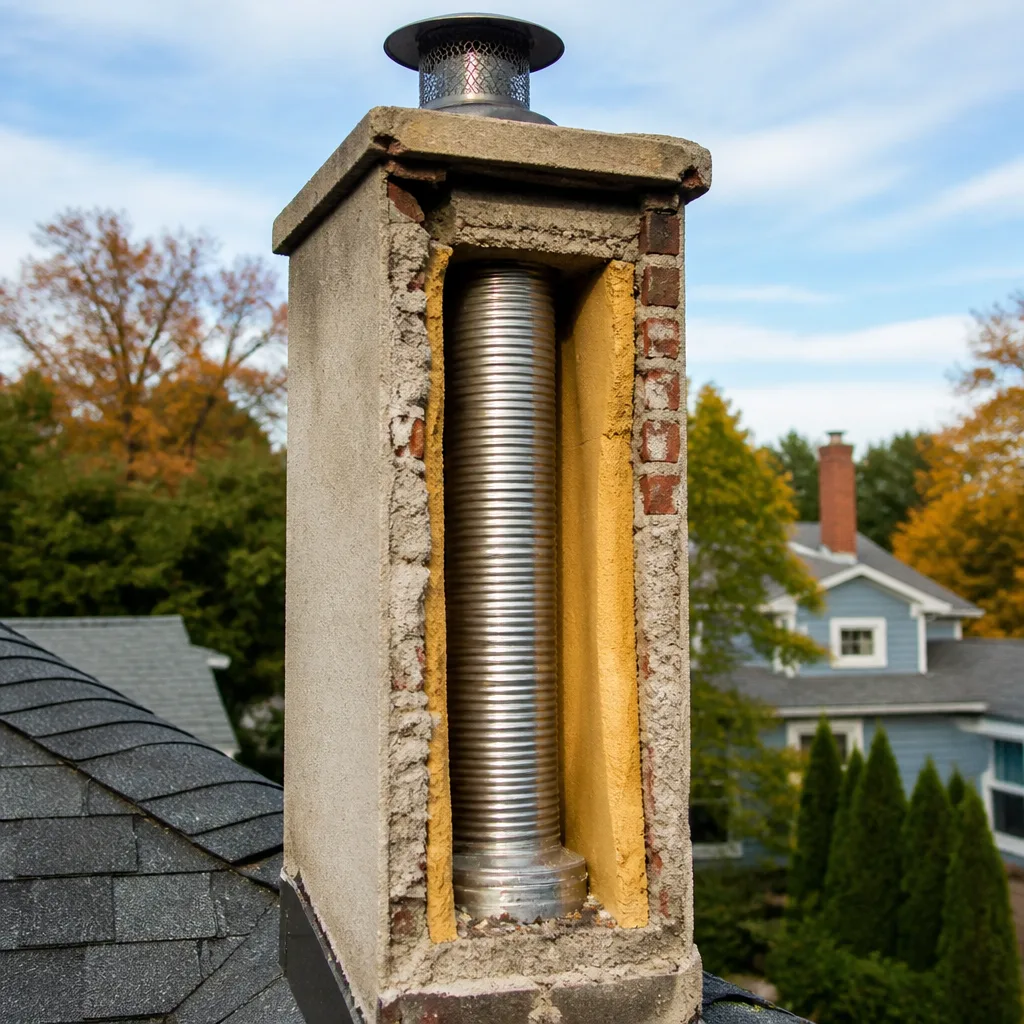 Flue relining
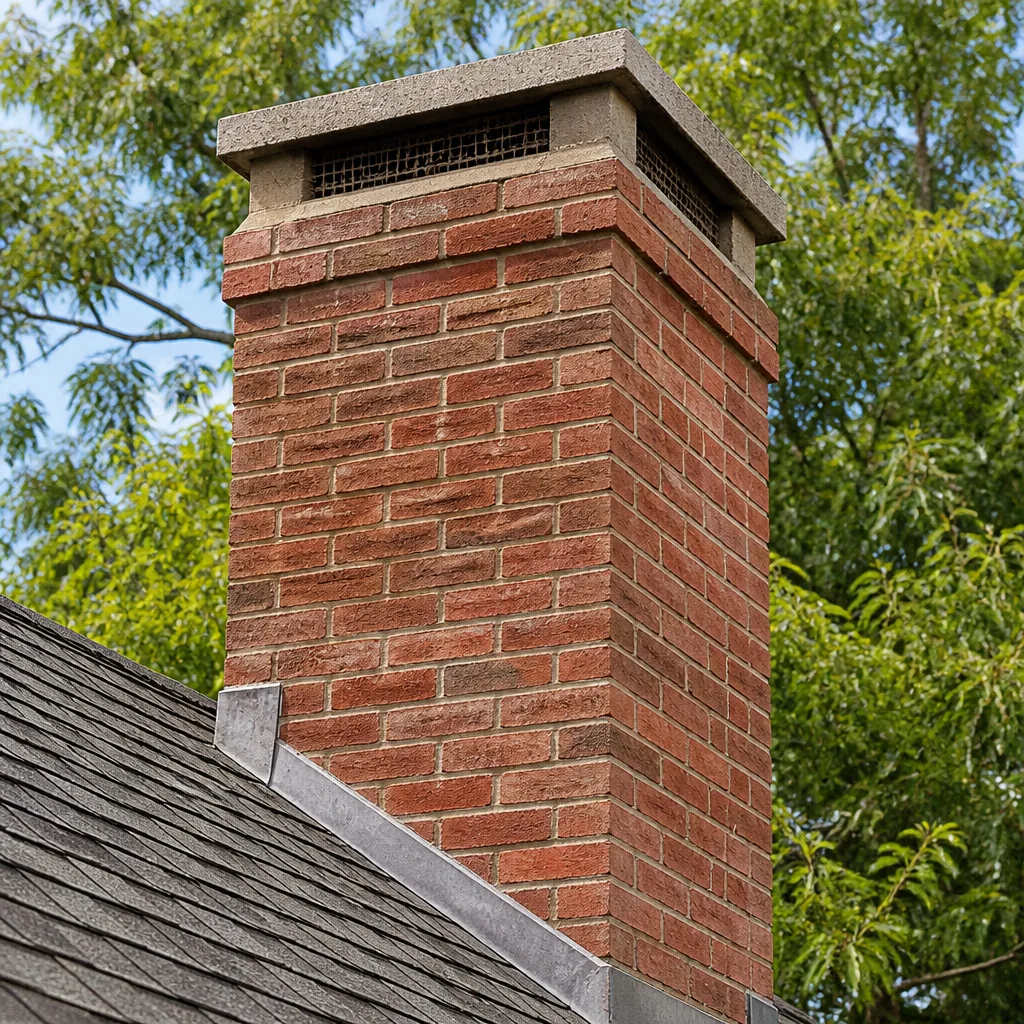 Masonry repair
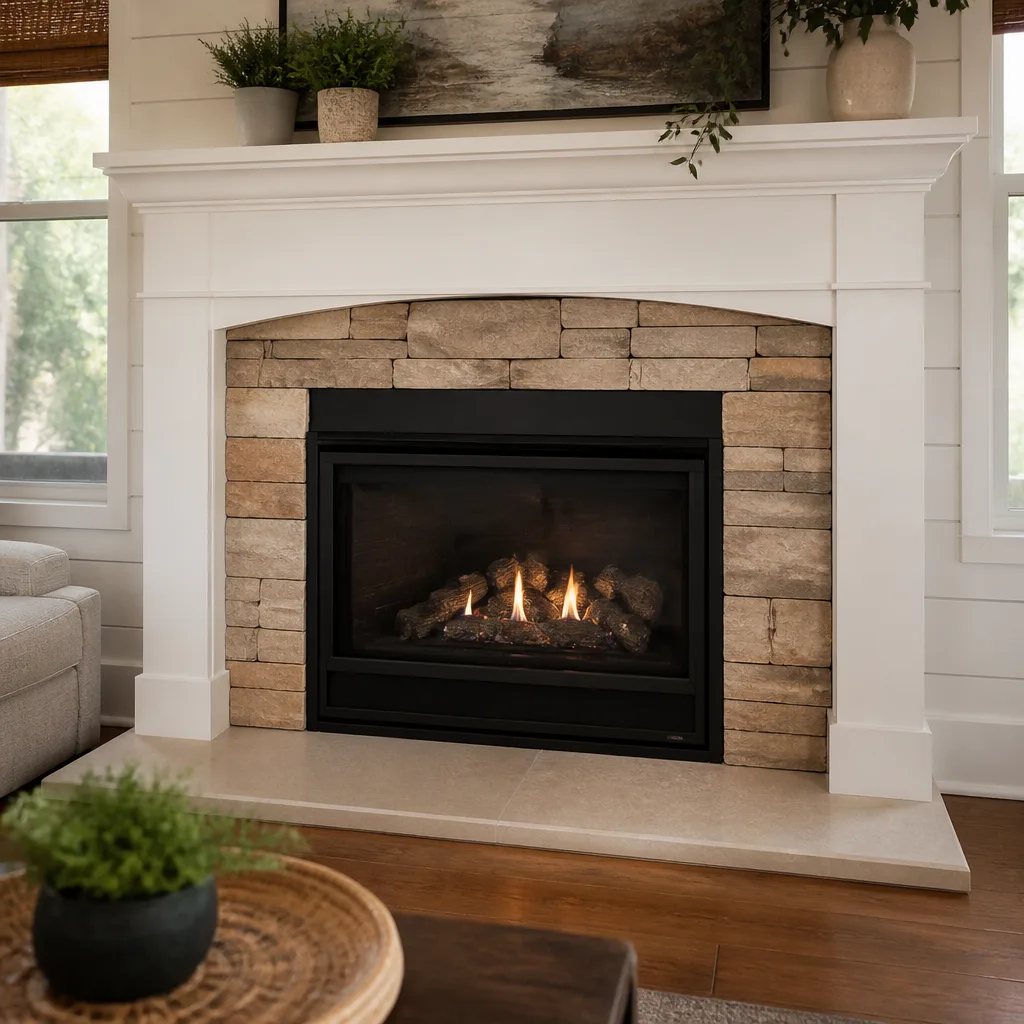 Gas fireplace service
Level 1 sweep and inspection to the NFPA 211 annual standard - flue, crown, cap, and flashing checked and photographed
Chimney sweep logs do not sweep chimneys. They loosen some creosote - which then falls where a brush and vacuum still have to collect it.
Choosing the Right Chimney Cleaning Brand: A Buyer’s Guide for Aliso Viejo
Most people pick a chimney company the same way they pick a pizza place: whoever shows up first on the search results and quotes the lowest number. That works fine for pizza. It’s a poor way to choose someone who will climb onto your roof, look down your flue, and tell you what’s wrong with the system that carries smoke and carbon monoxide out of your house. Here’s the counterintuitive part: the big national brand name on the truck tells you almost nothing about the scope of work you’ll actually get. A recognizable logo is a marketing asset, not a technical credential. In this guide, we’ll explain how the different kinds of chimney brands in Aliso Viejo actually operate, what the certifications mean, and the exact questions that separate a full-system specialist from a sweep-only crew.
Quick Answer
The right chimney cleaning brand in Aliso Viejo is the one that will inspect before it sweeps, explain what it finds with camera evidence, and has the in-house capability to fix what it discovers rather than referring you elsewhere. Brand recognition matters far less than three things: the depth of the company’s certification, its knowledge of liner systems, and whether it can complete repair work itself. Ask those three questions and the choice becomes clear.
Styles & brands we work with
- Sweep & inspection
- Caps & crowns
- Flue relining
- Masonry repair
- Gas fireplace service
Table of Contents
- How Chimney Brands Actually Differ
- What CSIA, NFI, and NFPA Really Mean
- The Questions That Reveal a Full-System Specialist
- How to Read Reviews Like a Chimney Pro
- Why In-House Repair Capability Matters
- What Aliso Viejo Conditions Do to a Chimney
- Choosing a Chimney Brand in Aliso Viejo
- Common Mistakes to Avoid
How Chimney Brands Actually Differ
The chimney service market isn’t one industry. It’s at least three, and they operate on completely different business models. Understanding which one you’re talking to tells you more than any review score ever will.
National franchise brands are built on marketing consistency and low-price entry offers. Each location is franchisee-owned, which means technician training, equipment, and technical depth vary from one franchise to the next even under the same logo. The business model rewards volume, so the standardized sweep is priced to get someone in the door. What happens after the sweep depends entirely on whether that particular franchisee employs people who actually know liner systems and masonry repair. Many don’t. They’ll sell the cleaning, then upsell a repair they’re not equipped to complete and subcontract it out, or decline the structural work altogether and hand you a business card for “a guy who does that.”
Regional multi-crew operators sit in the middle. They cover a wider area and often have more internal capability than a franchise, but their quality tracks with how they train and retain technicians.
Independent full-system specialists are built around technical depth rather than volume. They handle the sweep, the inspection, the repair, the liner work, and the cap and crown as one continuous relationship. They carry professional-grade materials and know why one liner system suits a given flue and another doesn’t.
None of these categories is inherently dishonest. But only one of them is set up to solve a problem completely instead of just identifying it. When you’re shopping for a chimney brand in Aliso Viejo, ask which category the company falls into before you ask about price.
What CSIA, NFI, and NFPA Really Mean
Certifications get thrown around in chimney marketing like they’re interchangeable. They’re not. Each one covers a different technical territory, and knowing which applies to your job tells you whether the person on your roof is qualified for the work you actually need.
- CSIA (Chimney Safety Institute of America) is the sweep-and-inspection credential. A CSIA-certified technician has been tested on how chimney systems work, how to inspect them, and how to clean them safely. It’s the baseline credential for residential chimney sweeping and inspection, and for most homeowners it’s the one that matters most.
- NFI (National Fireplace Institute) certifies by fuel type. Gas, wood, and pellet appliances each have their own NFI track. This matters if your job involves a gas fireplace, an insert, or anything where the appliance itself is part of the diagnosis, not just the flue.
- NFPA (National Fire Protection Association) is a standards body, not a technician certifier. NFPA 211 is the standard that governs chimneys, fireplaces, vents, and solid fuel appliances, and it’s the document a competent inspector works from. A company that references NFPA 211 by name understands what a proper inspection actually entails.
Here’s the practical translation: a company strong on CSIA but with no NFI training may be your best option for a wood-burning sweep and your weakest for gas fireplace diagnosis. A company that can explain the difference between these credentials without confusing them is almost always the one that inspects properly. When you call a chimney company in Aliso Viejo, ask which credentials the technicians hold and which services each one covers. The quality of the answer tells you a lot.
The Questions That Reveal a Full-System Specialist
You don’t need to become a chimney expert to evaluate one. You need four good questions. The answers reveal whether you’re talking to a sweep-only crew or a company that understands the whole system from firebox to cap.
- “What liner material would you recommend for my flue, and why?” A full-system specialist will ask what you burn, look at the flue’s condition and geometry, and talk through stainless flex versus cast-in-place options with specific reasoning. A sweep-only crew will say “we recommend a stainless liner” without telling you which type, which grade, or why it fits your situation.
- “How do you restore a deteriorated smoke chamber?” Correct answer: a cast-in-place ceramic or refractory resurfacing method, not a coat of mortar smeared on by hand. Wrong or vague answer: “we parge it” or “we’ll figure it out when we’re up there.”
- “Which liner systems do you install, and can you reline a flue with offsets?” A full-system specialist carries recognizable professional systems and can work around the bends and offsets in complex flues. A sweep-only crew won’t carry liner systems at all, or will only handle a straight shot.
- “If you find a structural problem, who fixes it?” The best answer is “we do.” If the answer is “we’ll refer you,” you’ve just learned the scope of the relationship.
These four questions do two jobs at once. They screen out the sweep-only crew, and they tell you whether the technician has been trained to think about your whole chimney system rather than the firebox floor. In our experience, companies that can answer all four confidently tend to inspect with far more care, because they know they may be the ones doing the repair.
A fifth question is worth adding: “Can I see the inside of my flue on camera?” A company that runs a camera and shows you the footage is a company you can hold accountable. One that reports “your liner’s shot, you need a new one” with no visual evidence is asking you to spend several thousand dollars on trust alone.
How to Read Reviews Like a Chimney Pro
Star ratings are nearly useless for distinguishing chimney companies. Almost every established brand has a cluster of five-star reviews, and those reviews are heavily influenced by how pleasant the technician was, not how thoroughly the system was inspected. The useful signal is in the language.
A review from a sweep-only experience usually mentions speed, price, and politeness: “quick, clean, affordable, nice guy.” Those are good traits, but they don’t tell you whether the chimney was inspected properly. A review from a comprehensive system inspection reads differently. Look for phrases like “showed me photos of the inside of my flue,” “explained why my crown was cracked,” “walked me through what needed to be done and what could wait,” and “came back to do the liner work.” That’s the fingerprint of a full-system relationship.
Two more patterns worth watching for:
- Reviews that mention a second visit or follow-up repair. That’s a company with the capability to complete the work, not just diagnose it.
- Reviews that mention being shown what was found. Camera inspection and a photo report are the mark of a diagnostic-first company, and they’re the best defense against being told you need work you can’t verify.
Also read the lower-star reviews for patterns rather than isolated complaints. One “they were late” is noise. Three “they said I needed a new liner and couldn’t show me why” is a signal, and it’s the exact hesitation most homeowners walk into this decision with.
Why In-House Repair Capability Matters
A chimney problem doesn’t end at cleaning. It begins there. The sweep reveals the condition of the flue, the crown, the cap, and the firebox, and the real question is what happens next. That’s why the meaningful comparison isn’t between brands, it’s between a company that can carry the job through and one that stops at the front door.
When a sweep-only crew finds something, your options are to call a second contractor, wait while a referral plays out, and hope the two companies’ diagnoses line up. That’s three relationships for one chimney, and nobody owns the outcome. When a full-system specialist handles it, the same people who cleaned the flue restore it.
This is where material knowledge separates real capability from a service list. We work with professional-grade brands because the right material makes a structural repair last:
- DuraFlex flexible liner systems allow us to reline chimneys with complicated bends or offsets, which expands the range of homes we can service without tearing into the structure.
- HeatShield is a ceramic flue resurfacing system, and it’s the option that matters most for a deteriorating flue interior that doesn’t yet need full replacement. Casting a new ceramic surface onto a failing flue is a repair many chimney companies simply can’t offer, and it can spare you the cost of a full liner job.
- Olympia Chimney, Famco, and Copperfield round out the professional-grade roster for liners, caps, and related components, so the parts going into your chimney match the rest of the system.
And cap and crown work protects the whole investment. Moisture and debris getting past a failing crown is what starts the deterioration in the first place, so a company that treats cap and crown as a preventive component rather than an afterthought is closing the loop on the repair.
“Before we sweep, we inspect” isn’t a slogan. It’s the order of operations that produces an honest recommendation.
What Aliso Viejo Conditions Do to a Chimney
Aliso Viejo’s climate is hard on chimneys in ways that don’t show up on a weather report. Winters here are mild, which means many homeowners use the fireplace more sporadically than they would in a cold climate, and that pattern has real consequences.
Intermittent use is the classic recipe for creosote buildup. A fireplace that’s used hard every night in winter burns hot enough to keep deposits in check. A fireplace used occasionally, with long idle periods in between, cools more and builds up glazed creosote that a standard brush won’t remove. If you light the fireplace a few times a month through the cooler season in Aliso Viejo and little in between, you’re actually the household most likely to develop stubborn deposits, not the least.
The dry season matters too. Long stretches without rain mean the cap and crown are working overtime against sun exposure, thermal expansion, and accumulated debris. A cracked crown is easy to miss from the ground, and once moisture gets into the chimney chase it starts the slow deterioration of the flue interior. That’s why a full-system inspection looks at the crown and cap, not just the flue.
One local consideration for Aliso Viejo homeowners: many neighborhoods here were built with gas fireplaces or gas-assisted wood fireplaces, which sit awkwardly between the wood and gas certification tracks. A company with NFI gas training and CSIA wood training can handle either correctly. One without may be guessing.
A professional chimney sweep in Aliso Viejo will account for your actual use pattern rather than sweeping on a fixed calendar.
Choosing a Chimney Brand in Aliso Viejo
The Aliso Viejo market is small enough that the choice usually comes down to a handful of options, and most of them are either a national franchise location or an independent. That shortlist makes the evaluation easier, not harder, because you can run the same questions past each one and compare answers side by side.
Start with certification depth. Ask which credentials the technicians hold and which services those credentials cover. Then move to capability: can the company reline a flue, restore a smoke chamber, replace a crown, and install a cap? A company that answers yes to all of that is a full-system specialist, and it’s the only category that won’t leave you tracking down a second contractor halfway through the job.
Next, ask about evidence. Will they run a camera and show you what’s inside your flue? Will the photo report be included? Anything less leaves you taking the recommendation on faith, and structural chimney work is exactly the kind of purchase where you shouldn’t have to.
Finally, ask about materials. A full-system specialist will name the liner systems and resurfacing products it uses and explain why. A sweep-only crew won’t have a material conversation at all, because it doesn’t work at that level. We’ve found that this one question sorts the field faster than any review score.
A full-system specialist should also be transparent about scope. If a company tells you everything can be fixed in one visit regardless of what it finds, that’s a red flag. Chimney work has a natural order: inspect, sweep, then recommend in priority order, with the inexpensive items (cap, crown) before the expensive ones (liner, masonry) when both are needed.
You can explore the depth of a full-system scope through our chimney repair and fireplace repair services. The point isn’t to sell you everything. It’s that the company can do everything.
Common Mistakes to Avoid
- Choosing on price alone. The lowest-priced sweep is usually priced that way because it’s a volume tool, not a reflection of the inspection you’ll receive. A cheap sweep that skips the inspection is expensive in the long run if it misses a flue problem.
- Accepting a repair recommendation without seeing evidence. If a company tells you your liner is failing, ask to see the camera footage. A genuine full-system specialist will show you; a sweep-only crew may not have run a camera at all.
- Assuming a familiar logo means a certified technician. Franchises vary by location. The logo on the sign says nothing about the training of the person who shows up, so ask about credentials directly.
- Skipping the crown and cap while doing flue work. Fixing the flue and leaving a cracked crown in place means moisture and debris start attacking the new work immediately. Have the crown and cap inspected at the same time, especially in Aliso Viejo’s dry conditions with occasional heavy rain events.
- Calling a masonry contractor and a sweep separately. Two contractors mean two diagnoses, two schedules, and no one accountable for the whole system. A single full-system relationship prevents that.
- Waiting until the fireplace is in use to inspect. Inspection and sweeping happen before burning season, not after a draft problem appears. Schedule the sweep before you plan to light the first fire.
- Assuming gas means no maintenance. Gas fireplaces still need inspection, and a company without NFI gas training may not know what to look for.
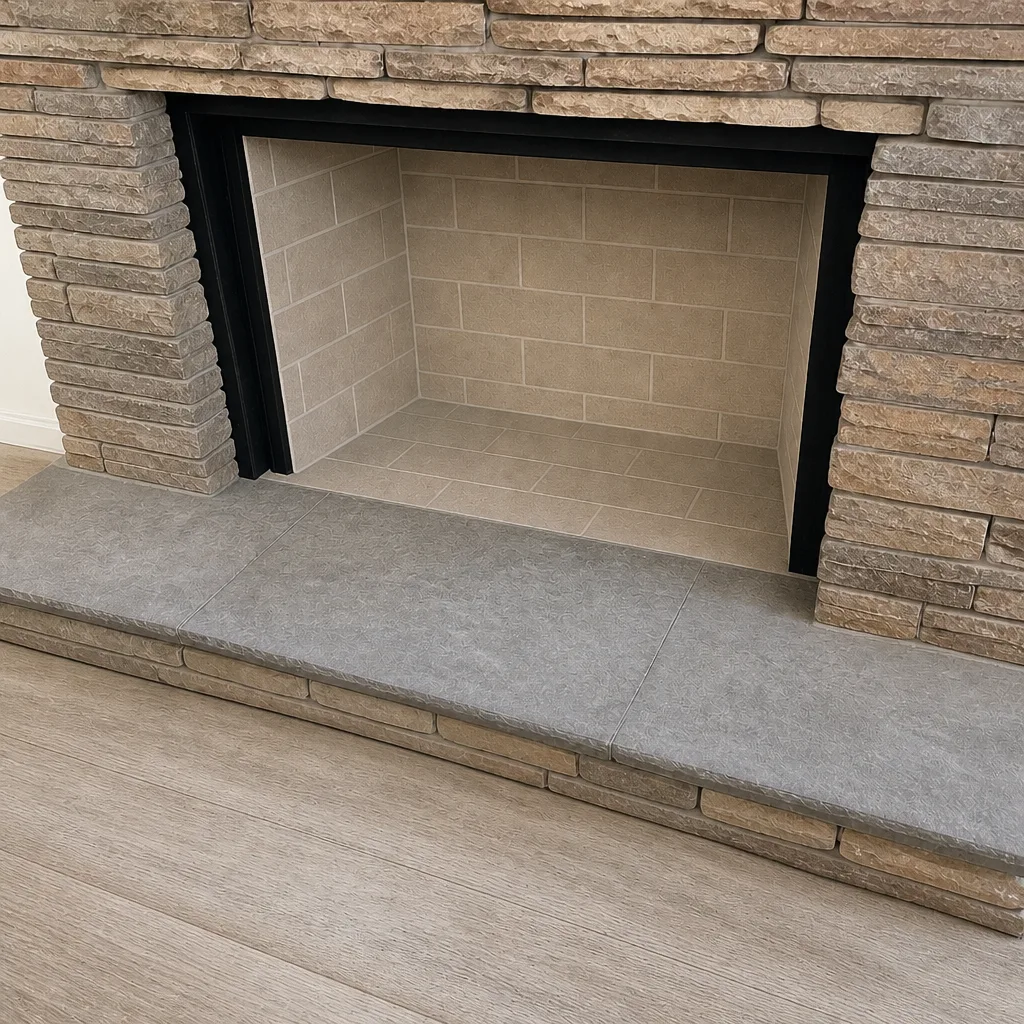
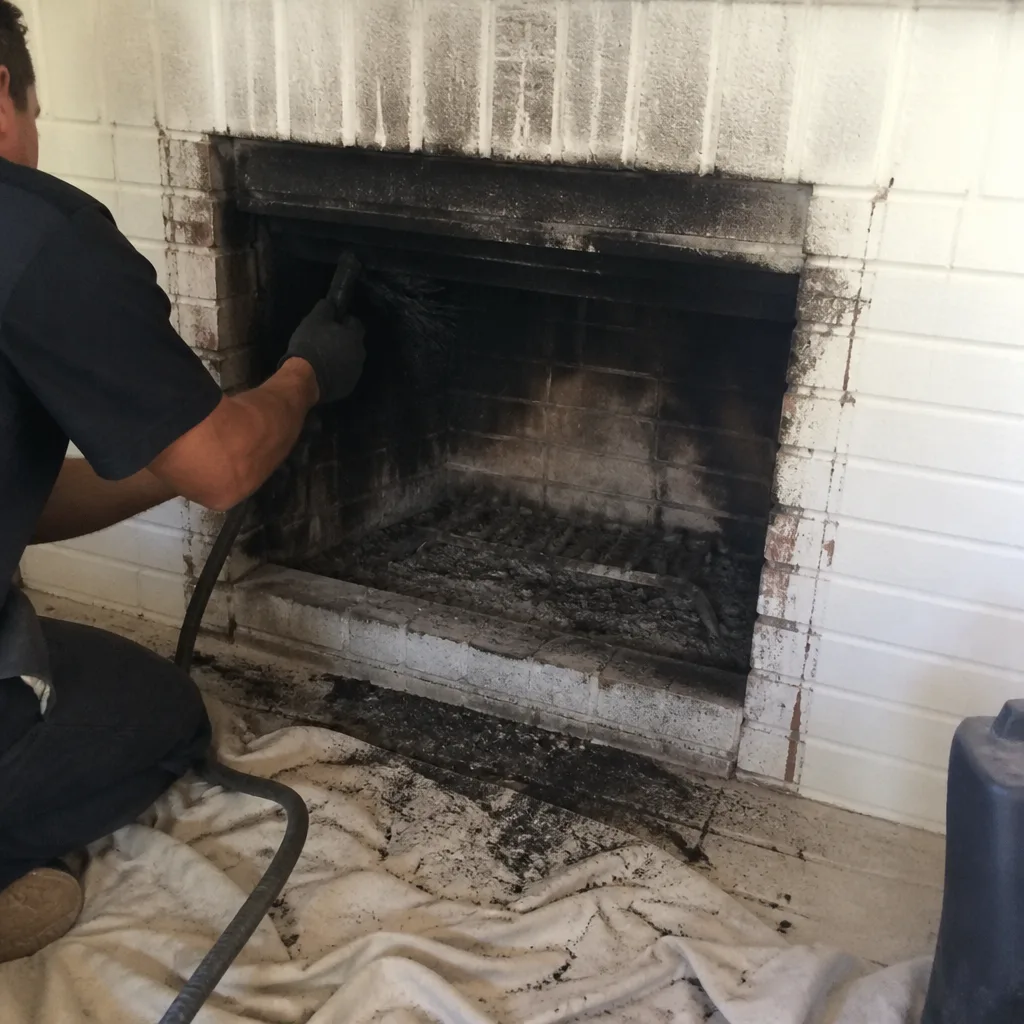
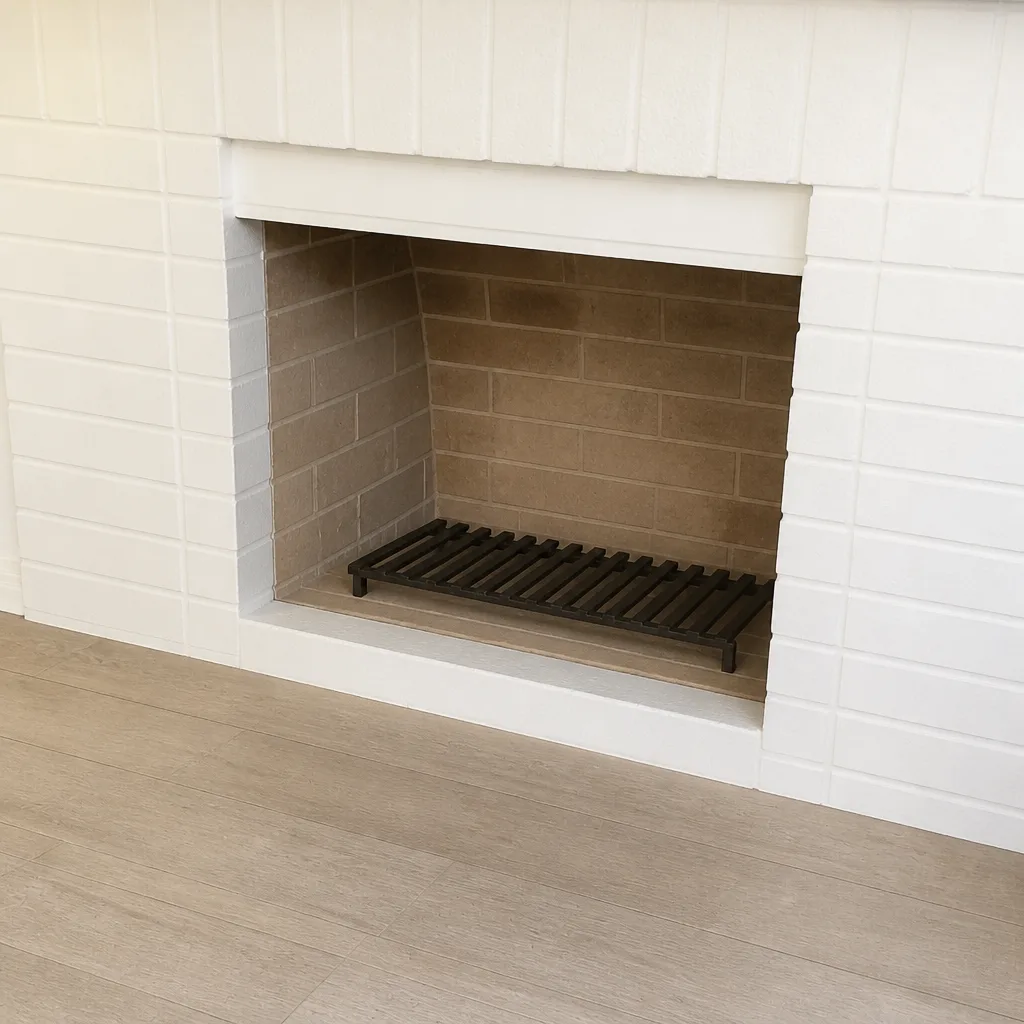
See the difference
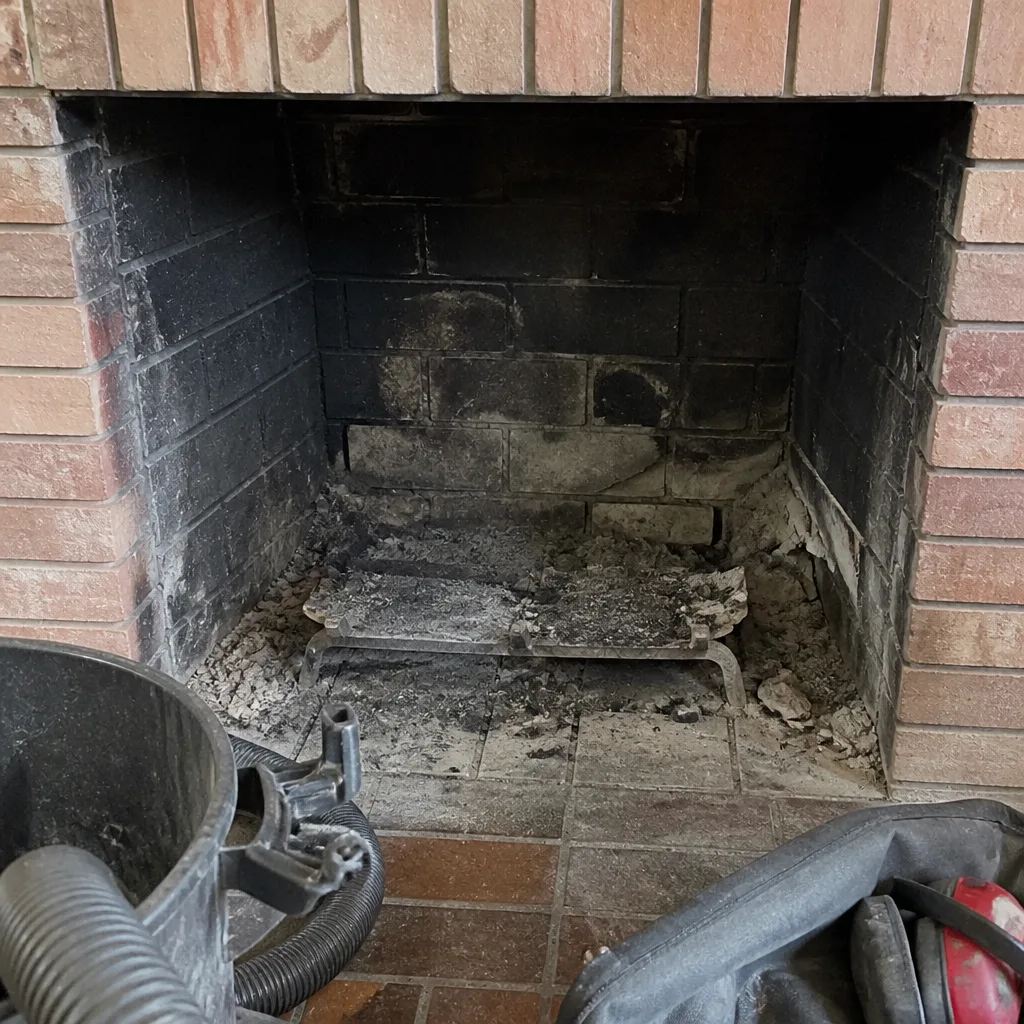 Before
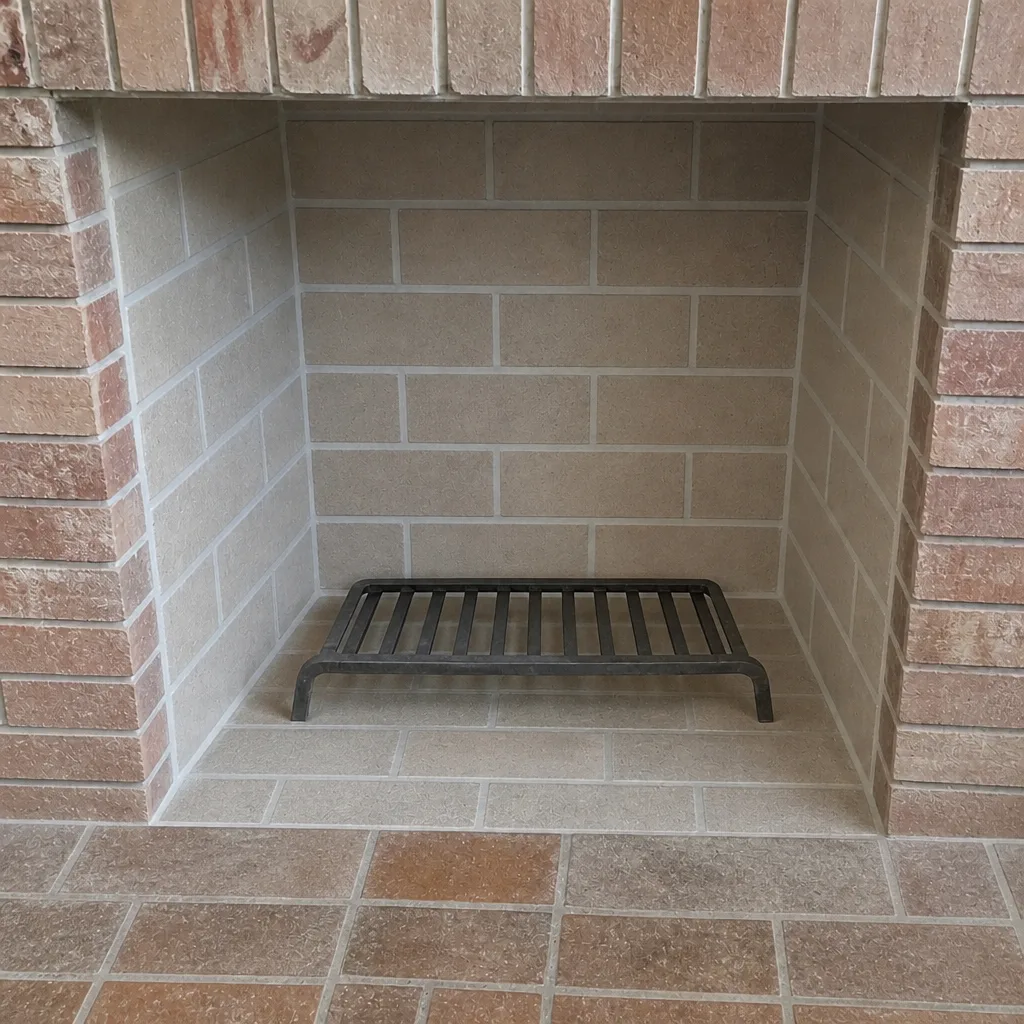 After
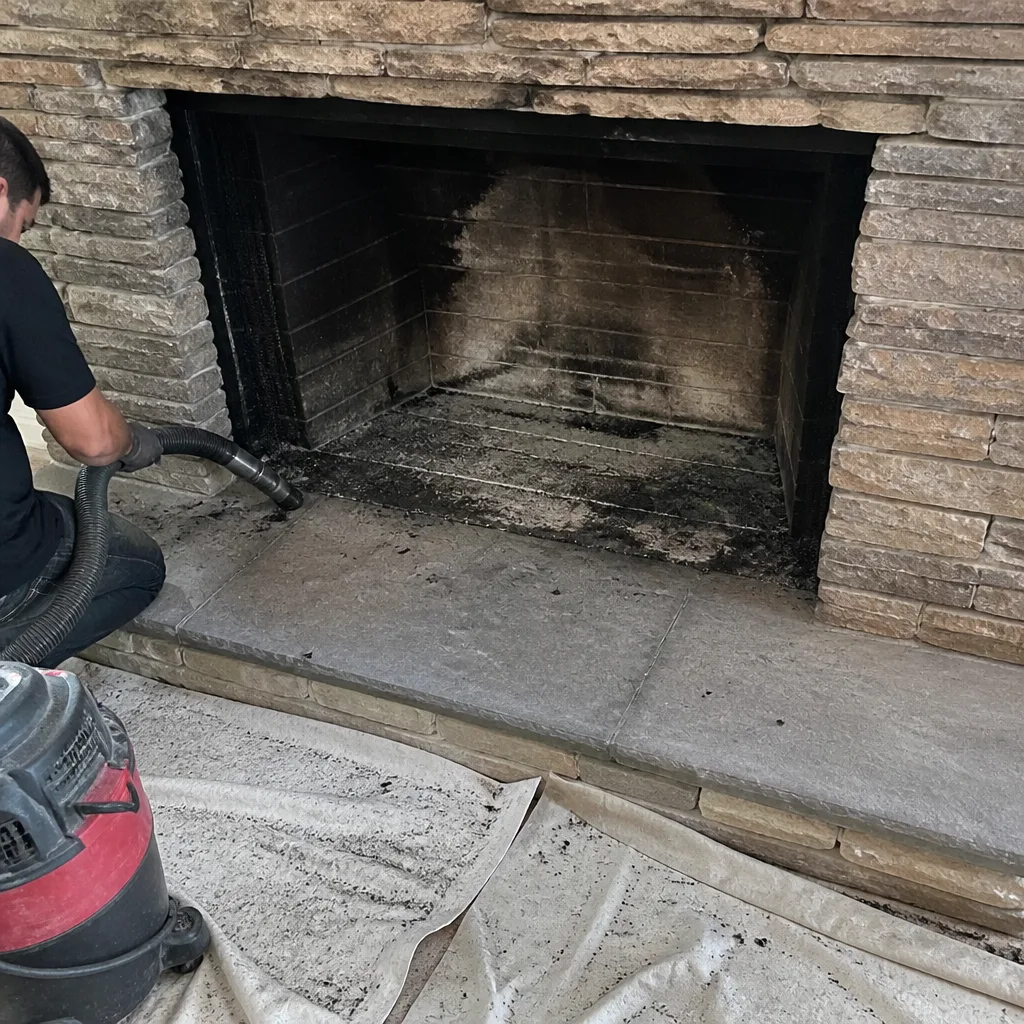 Before
 After
 Before
 After
When to Call a Professional
Some chimney problems announce themselves. Smoke rolling into the room, a draft that’s worse than usual, a rattle in the flue, visible water staining on the chimney exterior, or a cap that’s dented or missing after a storm all warrant a call. Other problems are silent, which is the main argument for an annual inspection. A full-system inspection catches a hairline crack in the flue or a failing crown before either turns into a structural job.
If it’s been more than a year since your last sweep, if you bought the house and don’t know the chimney’s service history, or if you’re using the fireplace more than you did last season, book an inspection. The cost of finding a small problem early is always lower than the cost of living with a large one.
At Aliso Viejo Chimney Sweep Pros, we inspect before we sweep, include camera inspection and a photo report so you can see what we see, and provide a written estimate with the flat-price sweep agreed before booking. If something can safely wait, we’ll tell you that too. Our technicians have up to 9 years of experience, and we can work with your insurer if a covered issue comes up. Free estimates in Aliso Viejo: call (833) 847-7241. We answer 24/7. Fast dispatch from 7am to 7pm, Sunday through Friday.
For homeowners who want to understand the full range of services available through Aliso Viejo Chimney Sweep Pros, the whole-system scope is the place to start.
Frequently Asked Questions
A routine chimney sweep in Aliso Viejo typically runs in the range of a standard residential cleaning, with the exact price set by the written estimate after the inspection. The flat-price sweep is agreed before the job is booked, and camera inspection and a photo report are included. Call (833) 847-7241 for an exact quote; estimates are free.
Once a year is the working rule for most residential fireplaces, and more often if you burn unseasoned wood or use the fireplace heavily. In a mild climate like Aliso Viejo, intermittent use can actually build stubborn creosote faster than steady burning, so an annual inspection is worth keeping on schedule. Call (833) 847-7241 to book a sweep or inspection.
Creosote builds up in the flue and the flue interior, crown, and cap all deteriorate without anyone noticing. The risk is fire from accumulated creosote and, with gas appliances, carbon monoxide escaping from a damaged flue. Skipping a year doesn’t guarantee a problem, but it means you won’t know one is forming. Call (833) 847-7241 to get it inspected before burning season.
Not always. A deteriorating flue interior can sometimes be restored with HeatShield ceramic resurfacing rather than a full liner replacement, and that decision should be driven by what the camera shows. We don’t recommend a liner without showing you the evidence first, and we’ll tell you when a repair can safely wait. Call (833) 847-7241 for a fair assessment with photos.
CSIA certifies chimney sweeping and inspection. NFI certifies technicians by fuel type, so its gas and wood tracks matter depending on what kind of fireplace you have. A company with both can correctly handle either a wood-burning flue or a gas appliance, which matters for Aliso Viejo’s mix of wood and gas fireplaces. Ask which credentials cover which services before you book.
Ask what liner material they’d recommend for your flue and why, how they restore a deteriorated smoke chamber, which liner systems they install, and whether they handle structural repairs in-house or refer them out. The answers tell you whether you’re dealing with a full-system specialist or a sweep-only crew. If you’d like to see how a full-system specialist answers them, call (833) 847-7241.
The Bottom Line
The chimney brand on the truck matters far less than the scope of work inside it. A national logo tells you about marketing consistency, not technical depth. What determines whether your chimney gets handled properly is three things: the depth of the company’s certifications, its knowledge of liner and resurfacing systems, and whether it can complete repair work itself rather than referring you out. Inspect first, ask for camera evidence, and choose the company that can carry the job from sweep to crown. If a repair can wait, a good company will say so. Comparing a full-system specialist against a sweep-only crew isn’t close, and it’s a decision worth getting right before you light the first fire this season.
If you have a fireplace in Aliso Viejo that hasn’t been inspected this year, or you’re weighing a repair recommendation you can’t verify, call (833) 847-7241. We answer 24/7. Fast dispatch from 7am to 7pm, Sunday through Friday. Free estimates, camera inspection with a photo report, and a written estimate that sets the final price.
Written by the team at Aliso Viejo Chimney Sweep Pros.