
Last updated November 25, 2026
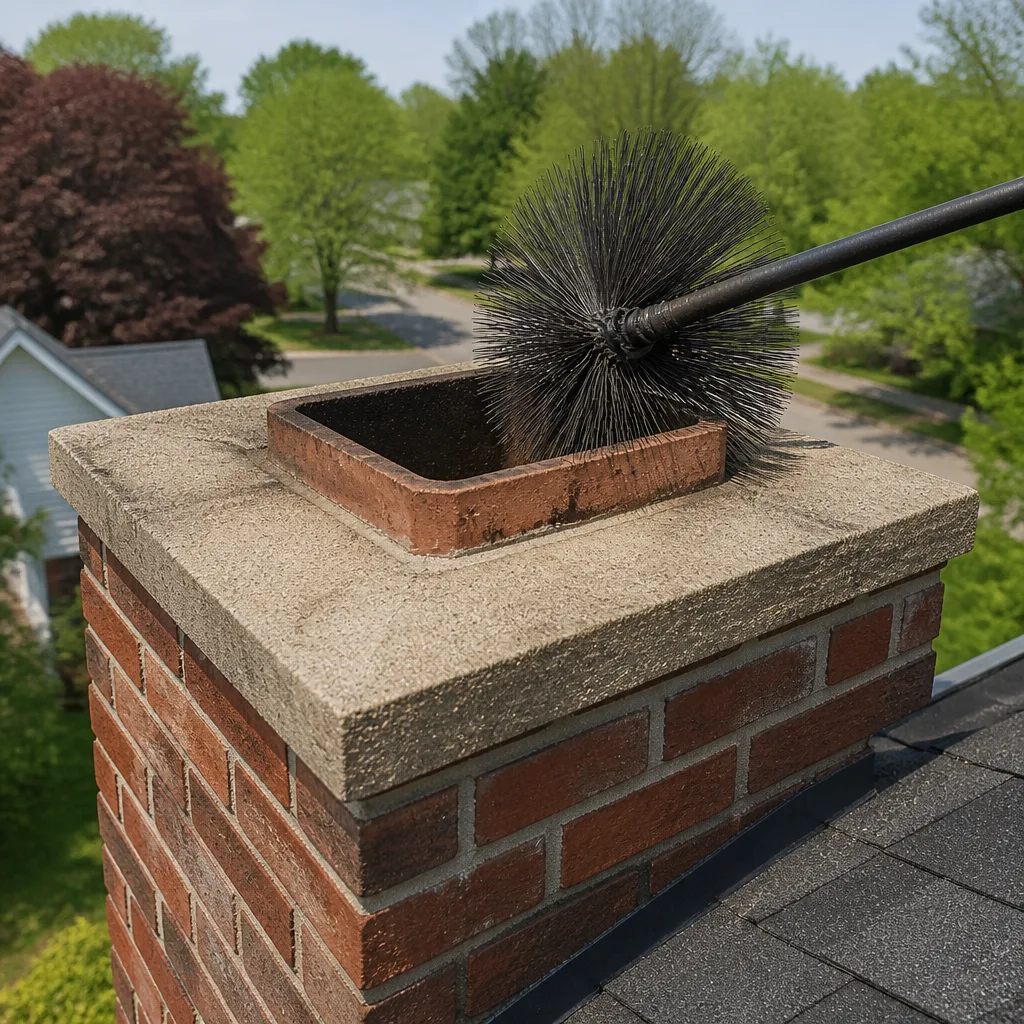 Sweep & inspection
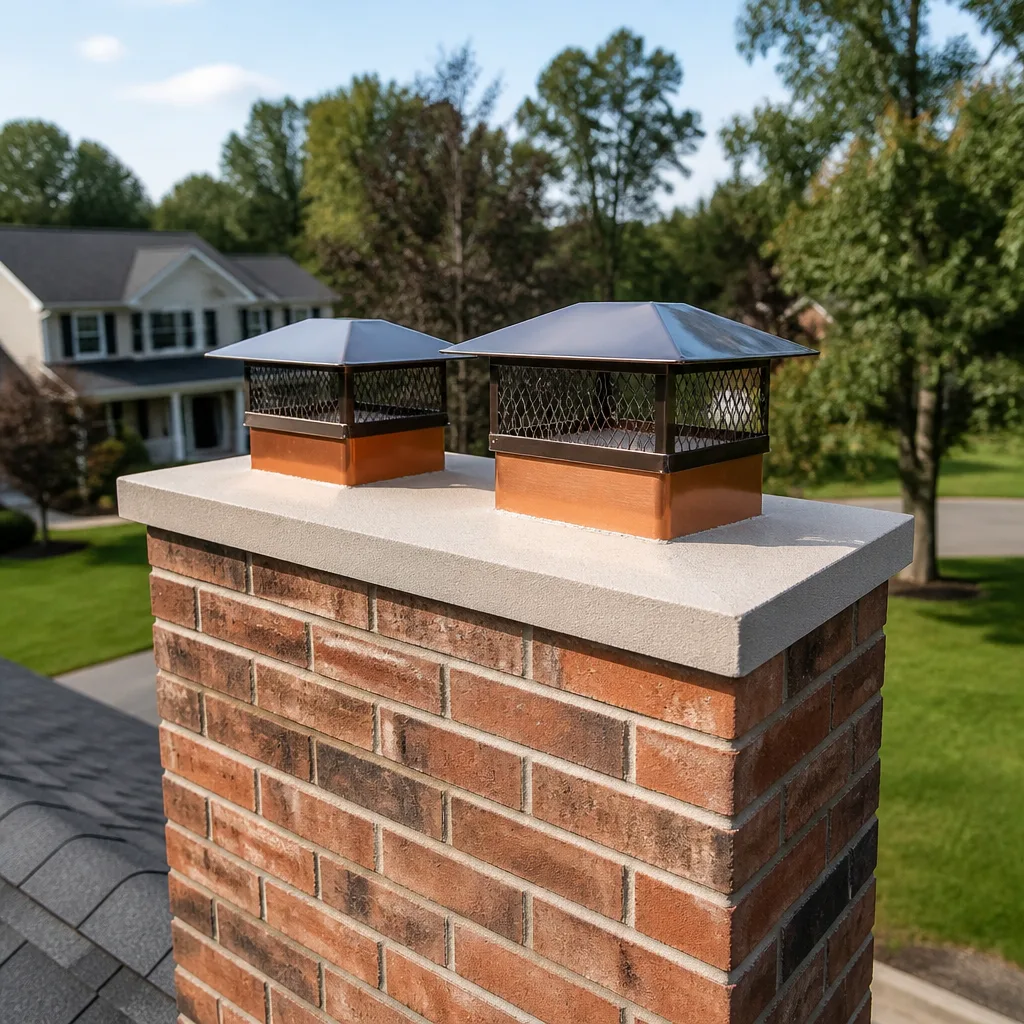 Caps & crowns
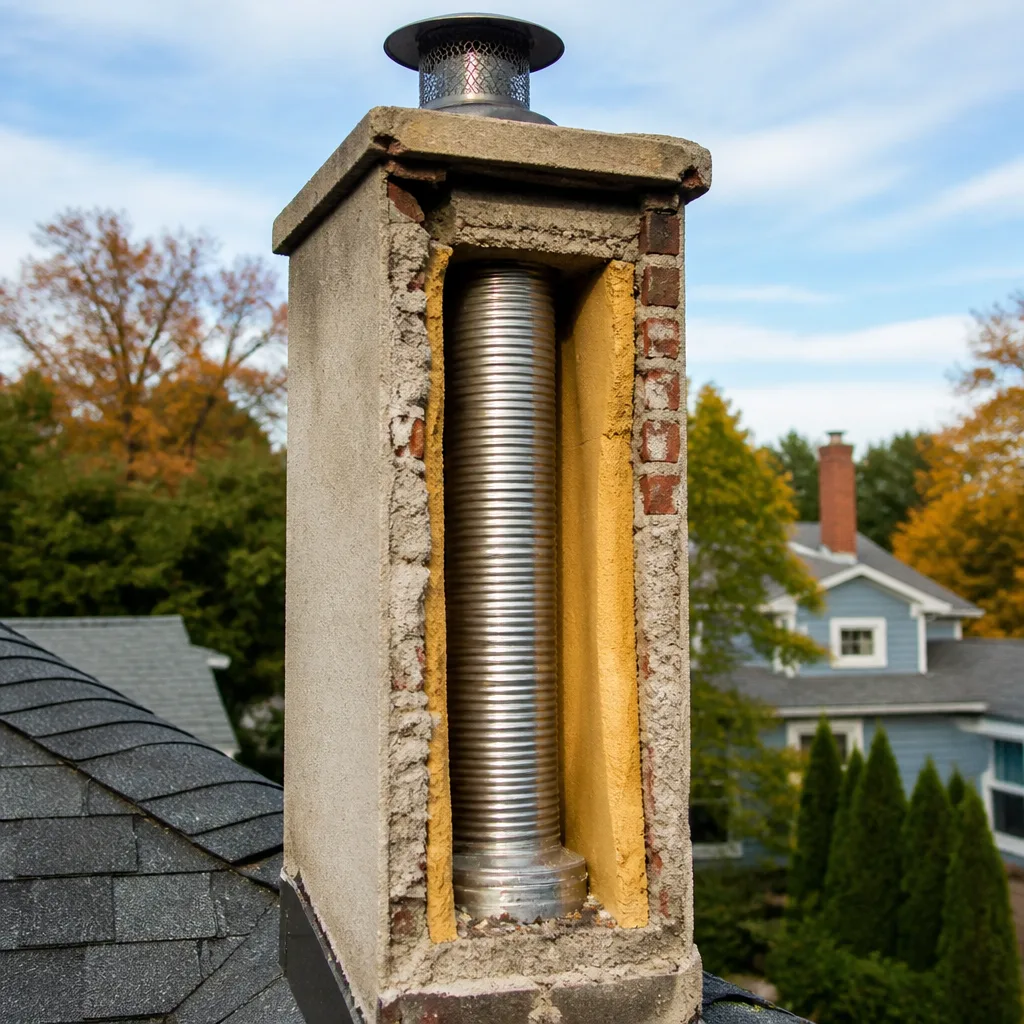 Flue relining
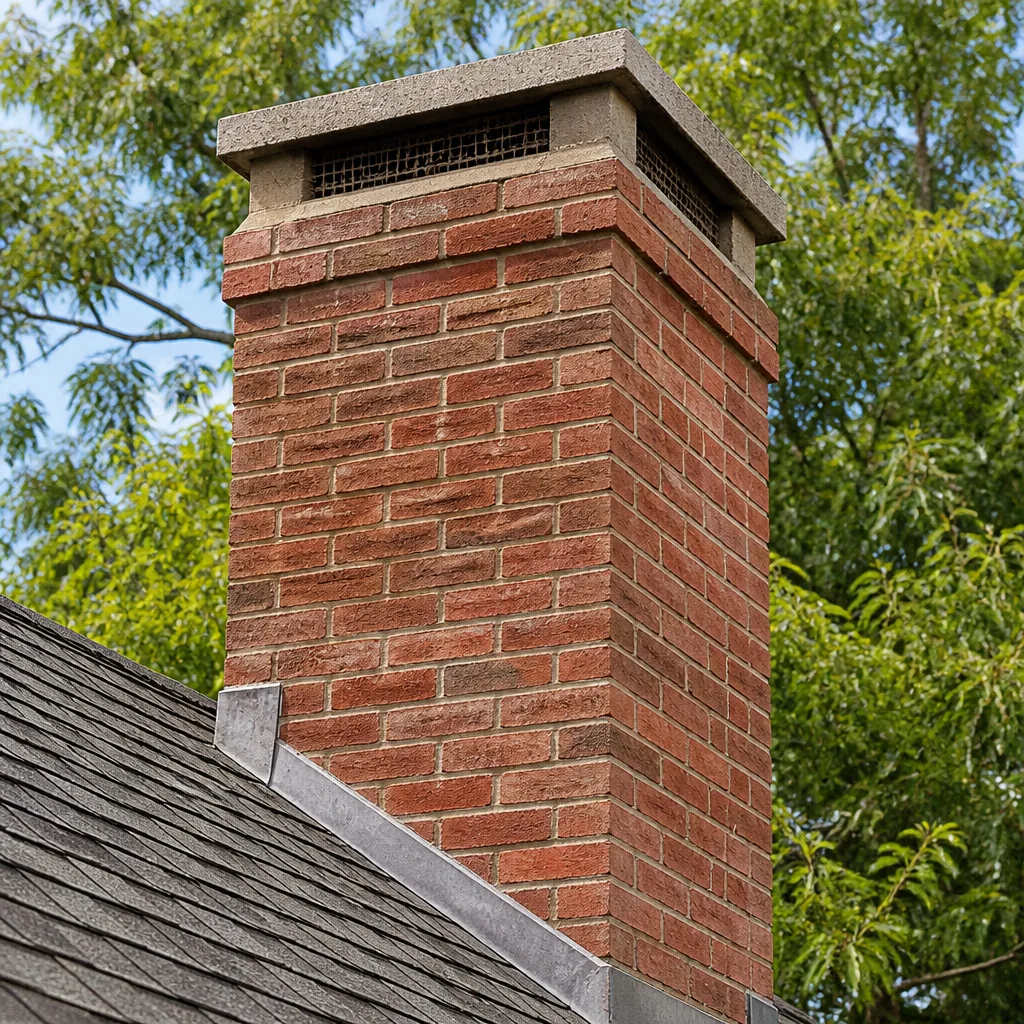 Masonry repair
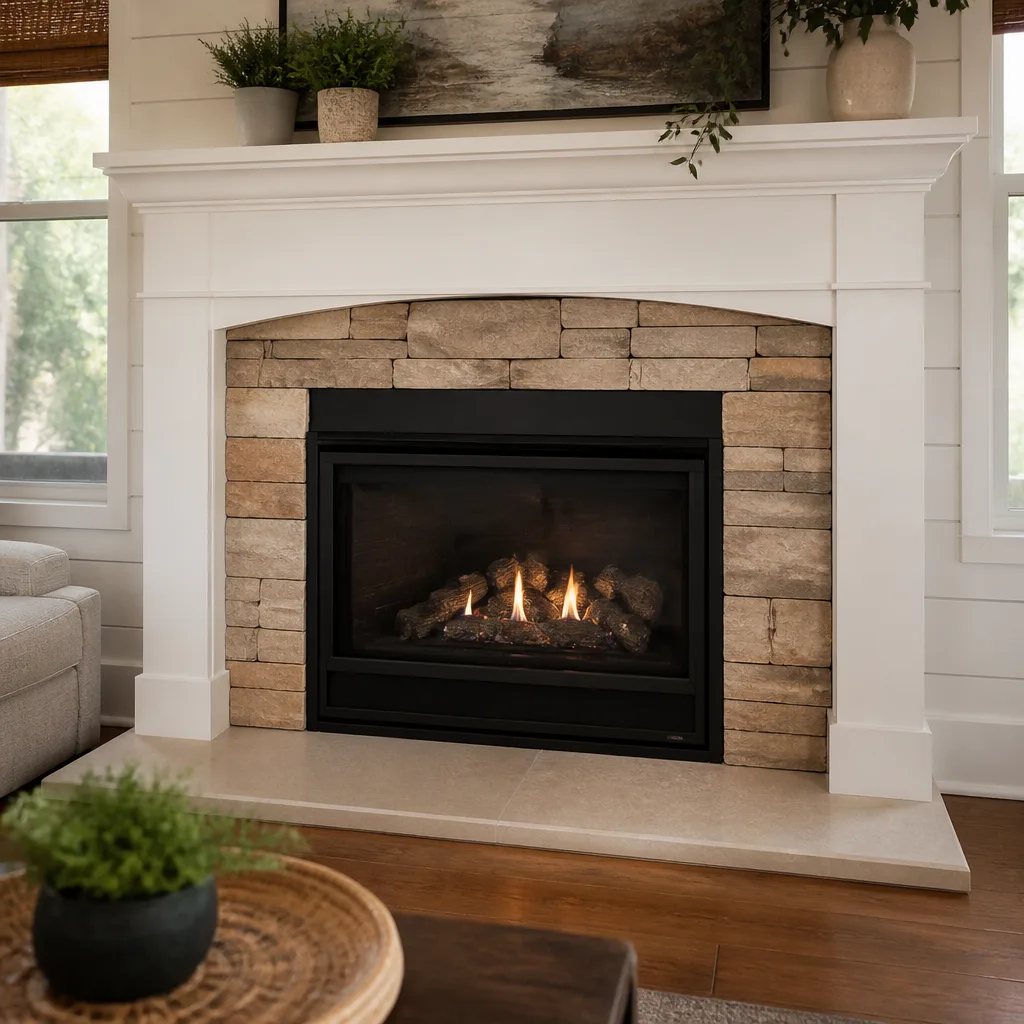 Gas fireplace service
Level 1 sweep and inspection to the NFPA 211 annual standard - flue, crown, cap, and flashing checked and photographed
Chimney sweep logs do not sweep chimneys. They loosen some creosote - which then falls where a brush and vacuum still have to collect it.
The Complete Guide to Chimney Cleaning in Aliso Viejo
Most Aliso Viejo homeowners burn fewer cords of wood than people in colder states, and that lighter use feels like a reason to put off a cleaning. In practice it’s usually the opposite. Short, low-temperature fires don’t burn hot enough to clear the flue, so the smoke cools fast and leaves behind the sticky, gummy deposits that turn into hard glaze over time. Add a long off-season in a mild climate and you’ve got a chimney that can build serious creosote on very little wood. This guide walks through what chimney cleaning actually covers, why our climate makes burn habits matter, and how to time a sweep around Aliso Viejo’s fire season and fall startup.
Quick Answer
Chimney cleaning in Aliso Viejo is a full-system service, not just a brush through the flue. A proper cleaning covers the firebox, smoke chamber, flue liner, crown and cap, and it starts with an inspection so we know what we’re dealing with before a single brush goes in. Most homes that burn regularly need a sweep once a year, and the best window here runs from late summer into early fall, before the burn season starts and before Santa Ana winds pick up.
Styles & brands we work with
- Sweep & inspection
- Caps & crowns
- Flue relining
- Masonry repair
- Gas fireplace service
Table of Contents
- Why Mild Weather Is Hard on Aliso Viejo Chimneys
- What a Full-System Chimney Cleaning Actually Involves
- Level 1 vs. Level 2 Inspections: Which One You Need
- Wildfire Ash, Marine Layer Humidity and What They Do to Your Flue
- When to Schedule a Cleaning in Aliso Viejo
- Reading Your Creosote: Stages and What They Mean
- The Parts of Your Chimney System and Why Each One Matters
- Common Mistakes to Avoid
Why Mild Weather Is Hard on Aliso Viejo Chimneys
A fireplace in Minnesota runs most nights from November through March. The fire gets hot, the flue stays warm, and combustion is fairly complete. A fireplace in Aliso Viejo might see a dozen fires a season, lit on cool evenings and let to burn down slowly. That pattern is the problem. A cool, smoldering fire produces more unburned smoke, and in a flue that never fully warms up, that smoke condenses on the liner walls as creosote.
We’ve seen fireplaces that burned less than a cord of wood in a season with heavier glazing on the flue than a hard-worked fireplace in a cold state. Three things drive it:
- Cool flue temperatures. The chimney never gets hot enough to keep smoke moving out cleanly, so deposits settle fast.
- Long idle periods. Months without a fire leave the liner holding whatever was there, and repeated small fires add layers on top.
- Damp wood. Local firewood that wasn’t properly seasoned burns cool and smoky, which accelerates buildup.
South Orange County’s mild climate also means chimneys sit through warm, humid stretches that many cold-climate owners never deal with. That’s a separate problem covered below.
The takeaway for Aliso Viejo: low usage is not a reason to skip annual cleaning. It’s often the reason you need it. Annual service, paired with a proper chimney sweep, is how you keep a lightly used flue from quietly glazing over.
What a Full-System Chimney Cleaning Actually Involves
Many homeowners picture a cleaning as a brush on a rod pushed down the flue. That’s one step of several. A full-system cleaning treats the chimney as a whole, from the firebox up to the cap, because deposits and debris collect in places a flue brush never touches.
- Inspection first. Before we sweep, we inspect. We look at the firebox, damper, smoke chamber, flue liner and the exterior, including the crown and cap, so we know what condition the system is in and whether a standard sweep is even the right call.
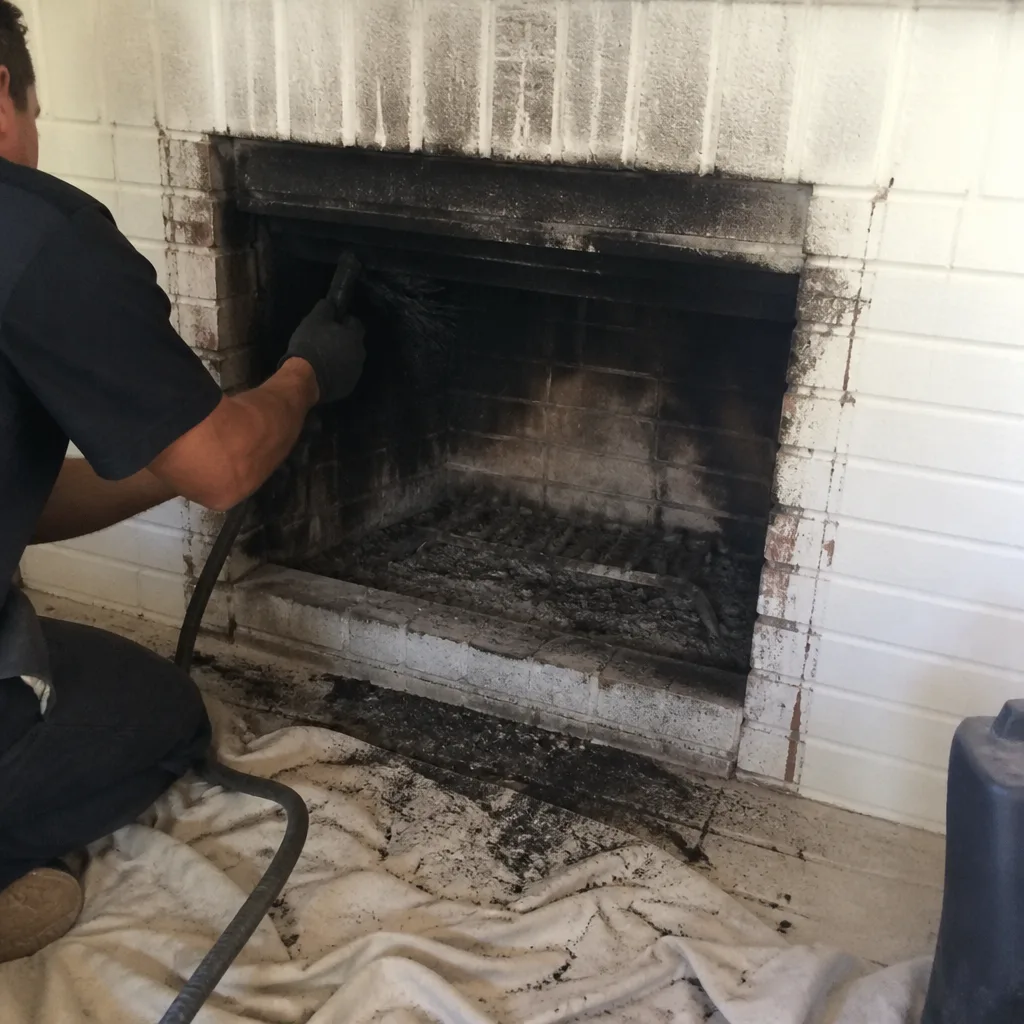
- Setup and containment. Drop cloths and a sealed vacuum protect the living space. Creosote is a fine, staining dust when it’s disturbed and we treat it that way.
- Firebox and damper. Ash, soot and debris get cleared, and the damper gets checked for smooth operation and a proper seal.
- Smoke chamber. This is the sloped area above the damper where smoke funnels into the flue. It’s a creosote trap on many fireplaces because it’s shaped to collect, and it usually needs dedicated tools and scraping, not a flue brush.
- Flue liner. The flue gets brushed with the right size and type of brush for the liner material. A flexible flue with offsets needs a flexible brush and know-how.
- Crown and cap. The top of the system gets cleared of debris and checked for cracks in the crown and blockages at the cap.
- Final check. We confirm the flue is clear and note anything that needs attention, with photo documentation where it helps.
That’s the difference between a sweep and a full-system specialist. When you need structural work, whether it’s a chimney repair or a fireplace rebuild, we handle it start to finish rather than handing you off to another contractor.
Level 1 vs. Level 2 Inspections: Which One You Need
Chimney inspections are grouped into three levels in the trade, and most Aliso Viejo homeowners need Level 1 or Level 2. Level 3, which involves opening up walls or the chimney structure, is reserved for specific problems and isn’t routine.
Level 1 Inspection
A Level 1 covers all readily accessible parts of the chimney and venting system: the firebox, damper, smoke chamber and visible flue, plus the exterior crown and cap. It’s what we perform with an annual cleaning, and it’s appropriate when your setup hasn’t changed and you’ve had no problems. If you burn regularly and want a yearly check, this is usually the right level.
Level 2 Inspection
A Level 2 goes further. It’s required when the property changes hands (a sale or transfer), when a chimney changes in some way, after an event that could have caused damage, or when you’ve switched fuel types or appliance. It includes everything in Level 1 plus a closer look at accessible portions of the flue and connections, often using a camera. We recommend one for newer Aliso Viejo homeowners, since you rarely know the full history of a home’s fireplace.
Why it matters: a Level 1 can tell you the flue looks sound from the firebox. A Level 2 with a camera can find a gap in a liner joint or a crack in the smoke chamber that a visual check from below would miss. If you’ve recently bought a home in neighborhoods like Glenwood or Westpark and don’t know when the chimney was last serviced, ask for a Level 2.
Wildfire Ash, Marine Layer Humidity and What They Do to Your Flue
Two local conditions shape what builds up inside an Orange County chimney, and neither shows up in a cold-climate chimney guide.
Wildfire ash
During and after wildfire events, fine ash settles on roofs and around chimney caps. Some of it drifts down into the flue and onto the smoke shelf. Ash is light but it accumulates in the smoke chamber and on the firebox floor, and it also builds up around the cap where it can clog a spark screen. We check cap openings and screens during the annual service because a blocked cap restricts draft and makes every fire burn dirtier.
Marine layer humidity
The cooler, damp air that moves through South Orange County on summer and fall mornings does two things to a chimney. It creeps into the flue through the cap and settles on the liner, and it can keep the masonry and joints damp. Damp creosote is stickier than dry creosote, so it catches more smoke particles and builds up faster. Sustained moisture also works on the mortar in the crown and the flue joints over time, which is why we inspect the crown and cap every year, not just when something’s visibly wrong.
Together these two conditions mean a chimney that looks clean from the firebox can still have ash and damp deposits further up. That’s another reason a full-system check beats a quick brush pass.
When to Schedule a Cleaning in Aliso Viejo
Timing matters more here than in places with a single long heating season. There are two events that frame the year for a Southern California fireplace, and a cleaning should land between them.
First, the Santa Ana winds. These hot, dry, gusty wind events typically arrive in fall. They dry out vegetation, raise fire danger, and they also blow debris onto roofs. Windblown leaves, twigs and grit gather around chimney caps and can block draft. Getting the system checked and cleared before the Santa Ana season means a blocked cap or loose cap screen gets dealt with before it matters.
Second, fall burn-season startup. Once evenings cool and you light that first fire of the season, you want a clean flue and a cap that keeps debris out. If you sweep before the season starts, you go into the burn months with a clear liner.
Recommended timing for Aliso Viejo homeowners
- Late summer to early fall: Schedule the annual sweep and Level 1 inspection. This clears last season’s creosote and gets ahead of Santa Ana wind season.
- Before the first fire of the season: Confirm the cap and crown are sound so windblown debris and the marine layer can’t undo a clean flue.
- After a heavy burn year or a wildfire event: Have the cap, smoke chamber and flue checked. Ash and debris can build quickly.
- Anytime you buy a home or change your setup: Book a Level 2 inspection before your first fire.
If you burned less than a cord last season, don’t assume you can skip a year. Light, cool burning is exactly the pattern that builds Stage 2 creosote, which we cover next.
Reading Your Creosote: Stages and What They Mean
Creosote is the residue left when wood smoke cools before it exits the chimney. It’s the main reason chimneys need cleaning, and it comes in stages that matter for both safety and what kind of work you’re looking at.
- Stage 1: Soot and light, flaky deposits. A standard sweep clears it. This is what you want to catch early.
- Stage 2: Dense, shiny, tar-like deposits. This stage is the one low-temperature burners build fastest, and it’s harder to remove than soot. A routine brush may not be enough; it can need chemical treatment and scraping.
- Stage 3: Hard, glazed creosote. This is the most difficult to remove and the most concerning. It can require specialized removal, and in some cases the liner itself is compromised enough that restoration or replacement enters the picture.
The connection to our climate is direct. Fires that burn cool or smolder produce more smoke and less complete combustion, which is what feeds Stage 2 buildup. And once Stage 2 is established, the next layer is stickier. This is why we don’t treat a light-use fireplace as a low-risk one. We treat glazing as a real finding, look at what’s left of the liner underneath, and tell you plainly what it means.
The Parts of Your Chimney System and Why Each One Matters
A chimney is a system, and every part does a job. When one is compromised, the others pay for it. Understanding the components helps you see why a cleaning covers all of them.
- Firebox: Where the fire burns. It takes heat and soot, and it needs to be sound so heat doesn’t reach surrounding framing.
- Damper: The door above the firebox. It opens for a fire and closes to keep out drafts and moisture.
- Smoke chamber: The sloped space above the damper that funnels smoke into the flue. Creosote clings here, and it’s often ignored in a quick cleaning.
- Flue liner: The channel that carries smoke out. A liner with a gap or crack lets combustion gases and heat escape into the structure. This is where relining or liner restoration comes in, and where our capabilities are broader than a sweep-only crew. We use DuraFlex flexible liner systems to reline chimneys with complex bends or offsets that a rigid liner can’t navigate, and HeatShield ceramic flue resurfacing to renew a deteriorating flue interior without a full replacement. Both are options a general sweep crew often can’t offer.
- Crown: The concrete top that sheds water away from the chimney. A cracked crown lets moisture into the masonry, so we check it every time.
- Cap: The cover over the flue that keeps rain, animals and debris out. A missing or damaged cap invites moisture and blockages. We install caps and crowns using professional-grade components, including Gelco and Olympia Chimney products, because a sound cap protects the rest of the system and any repair work underneath it.
This is what we mean by full-system service: you get one crew for the sweep, the inspection, the fireplace repair, the liner work and the cap and crown, so nothing has to be handed off.
Why Material Choice Matters for an Aliso Viejo Chimney
A chimney cleaning only holds up as long as the components around it do. That’s why we’re particular about the materials and brands we work with. DuraFlex flexible liners let us reline a flue with offsets and bends that a rigid liner would refuse. HeatShield flue resurfacing gives us a restoration path for a deteriorating but otherwise sound flue, avoiding full replacement when the liner can hold. Gelco, Olympia Chimney, Famco and Copperfield products cover the caps, crowns and components that keep moisture and debris out between cleanings.
You don’t have to know these brands to benefit from them, but you should know what’s going into your chimney. We’ll tell you. Every recommendation ties to what we actually found in the inspection and what material is right for your flue, and you’ll see the reasoning before anything is installed. A sweep clears the system; the products around it keep the system safe until the next sweep.
Common Mistakes to Avoid
- Treating a lightly used fireplace as low-risk. Cool, occasional fires build Stage 2 creosote faster than hot ones, which is the last thing Aliso Viejo homeowners with sporadic burn habits expect. Skip the annual cleaning and that glazing quietly thickens.
- Letting a brush pass count as a cleaning. A flue-only brush job leaves the smoke chamber, firebox and crown untouched. The smoke chamber is a creosote trap, and cleaning the flue without it isn’t a full-system clean.
- Burning wet or green firewood. Damp wood burns cool and smoky, which accelerates creosote. In a mild climate it’s tempting to burn whatever’s on hand; use properly seasoned wood instead.
- Ignoring the cap after a wildfire or a windy season. Windblown debris from Santa Ana events collects around the cap and can block draft. Check the cap when the winds pass.
- Burning through a cracked crown all season. A small crown crack lets marine layer moisture into the masonry. It’s a cheap fix early and a bigger one once water has done its work.
- Skipping the pre-purchase inspection. Buying a home in Aliso Viejo without a Level 2 means you inherit an unknown flue. You rarely know its history, and a camera look tells you before you light the first fire.
- Putting off a liner that’s failing. A compromised liner lets heat and gases reach the structure. When we find a gap or a crack, we say so and lay out the options, whether that’s resurfacing or relining.
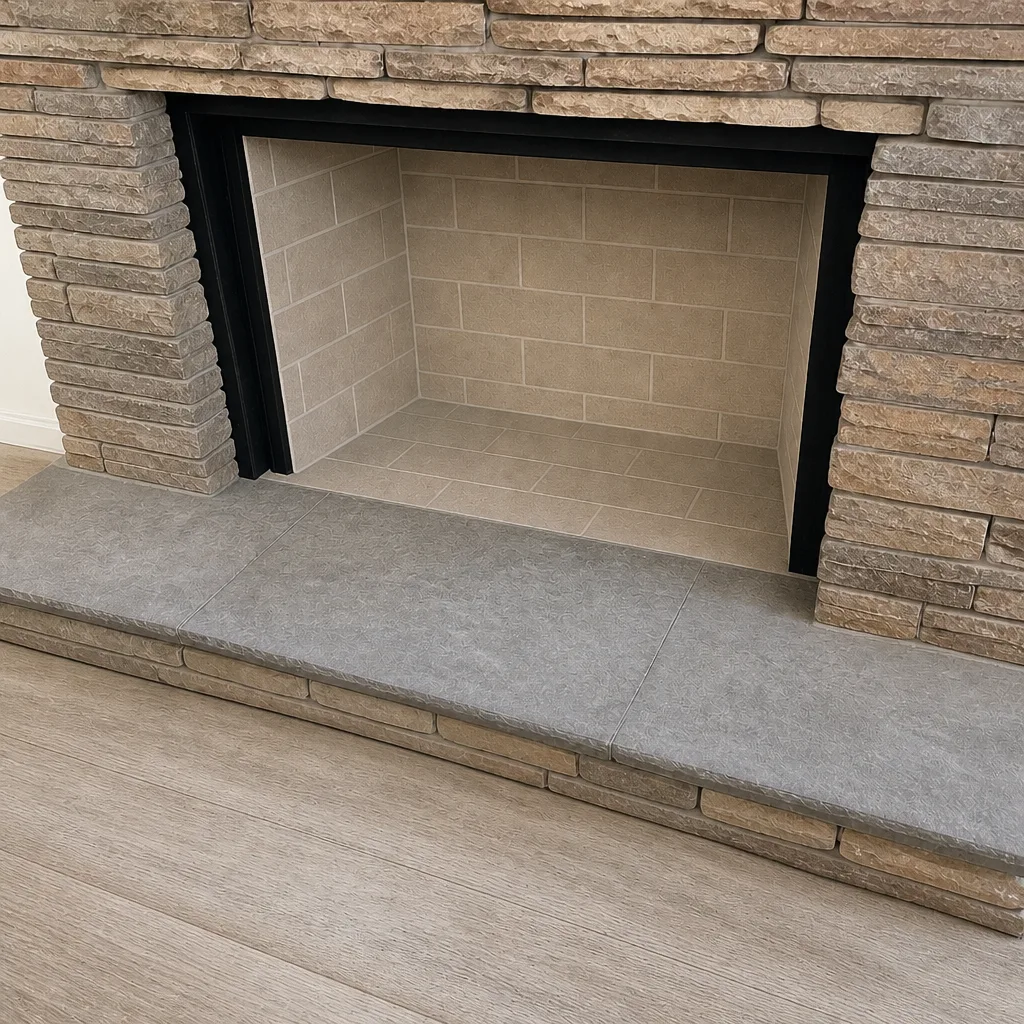
See the difference
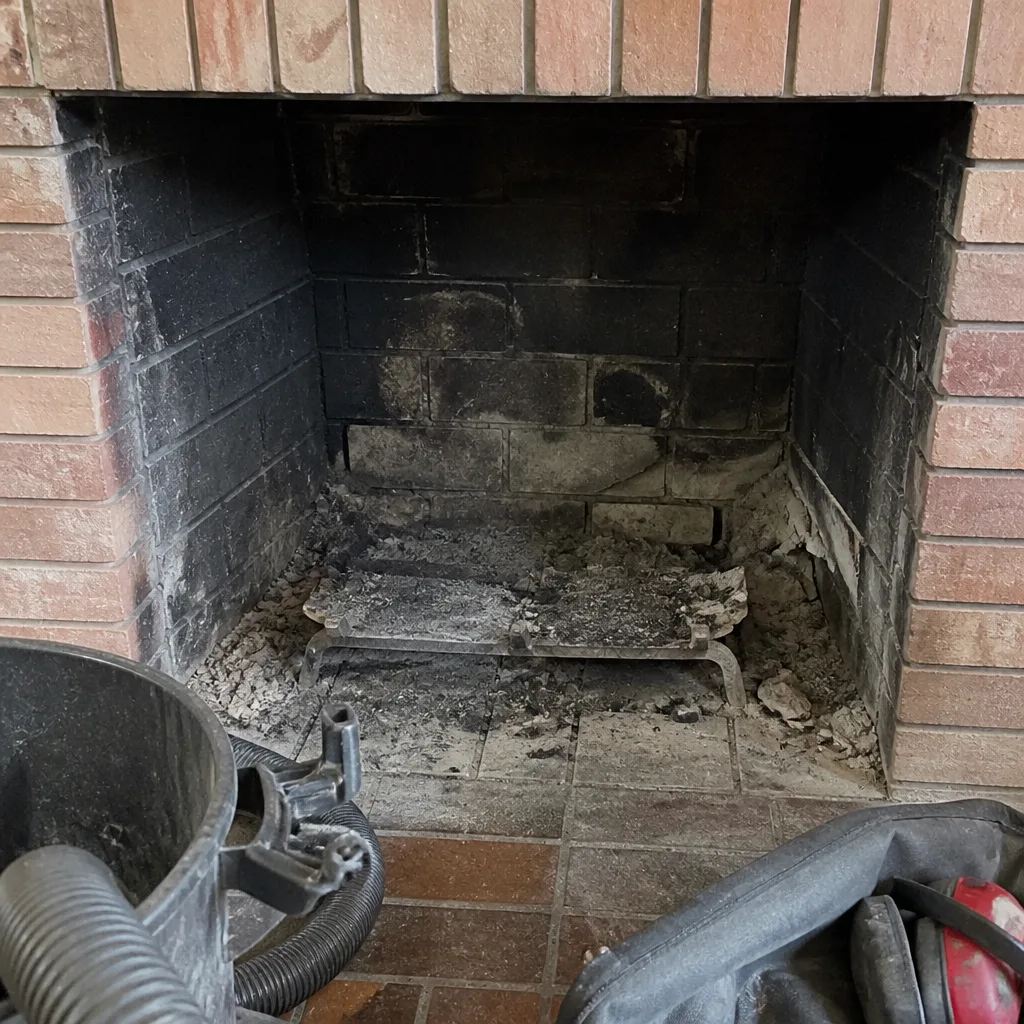 Before
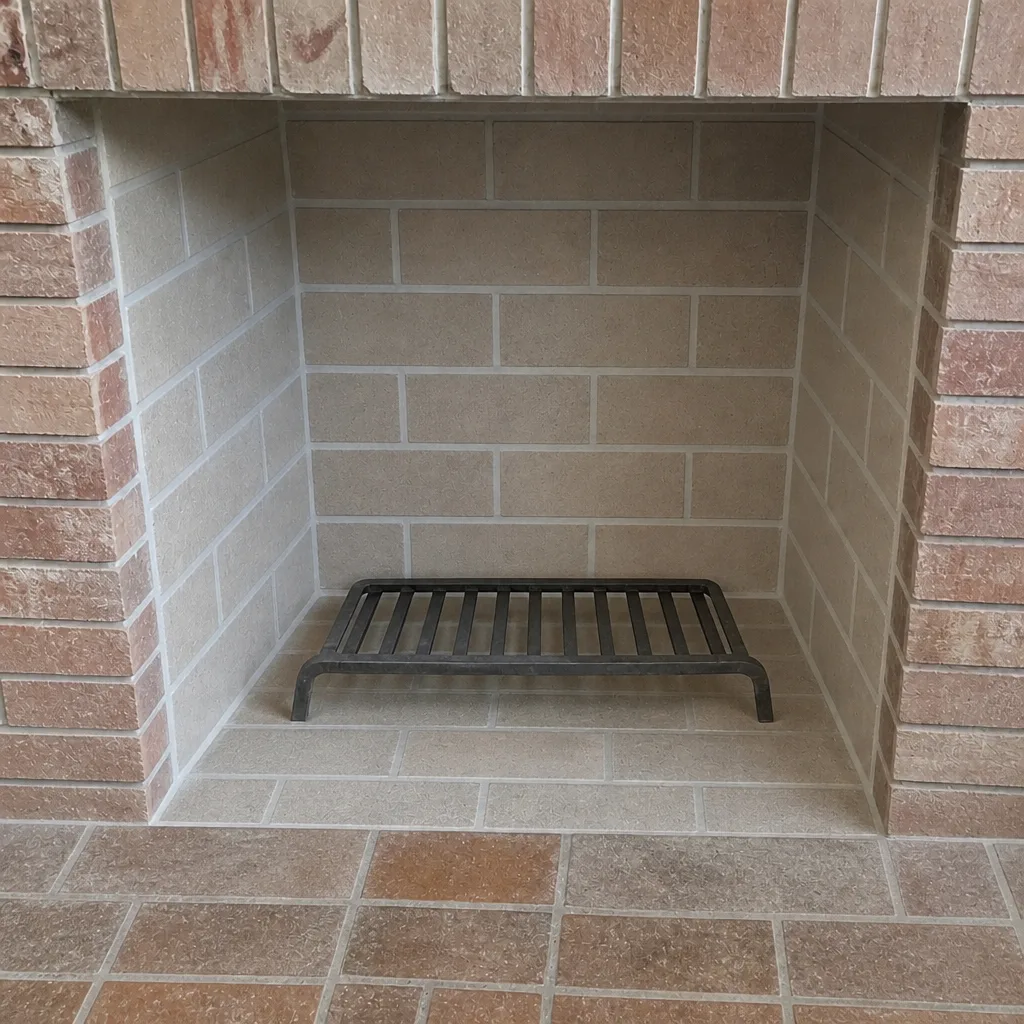 After
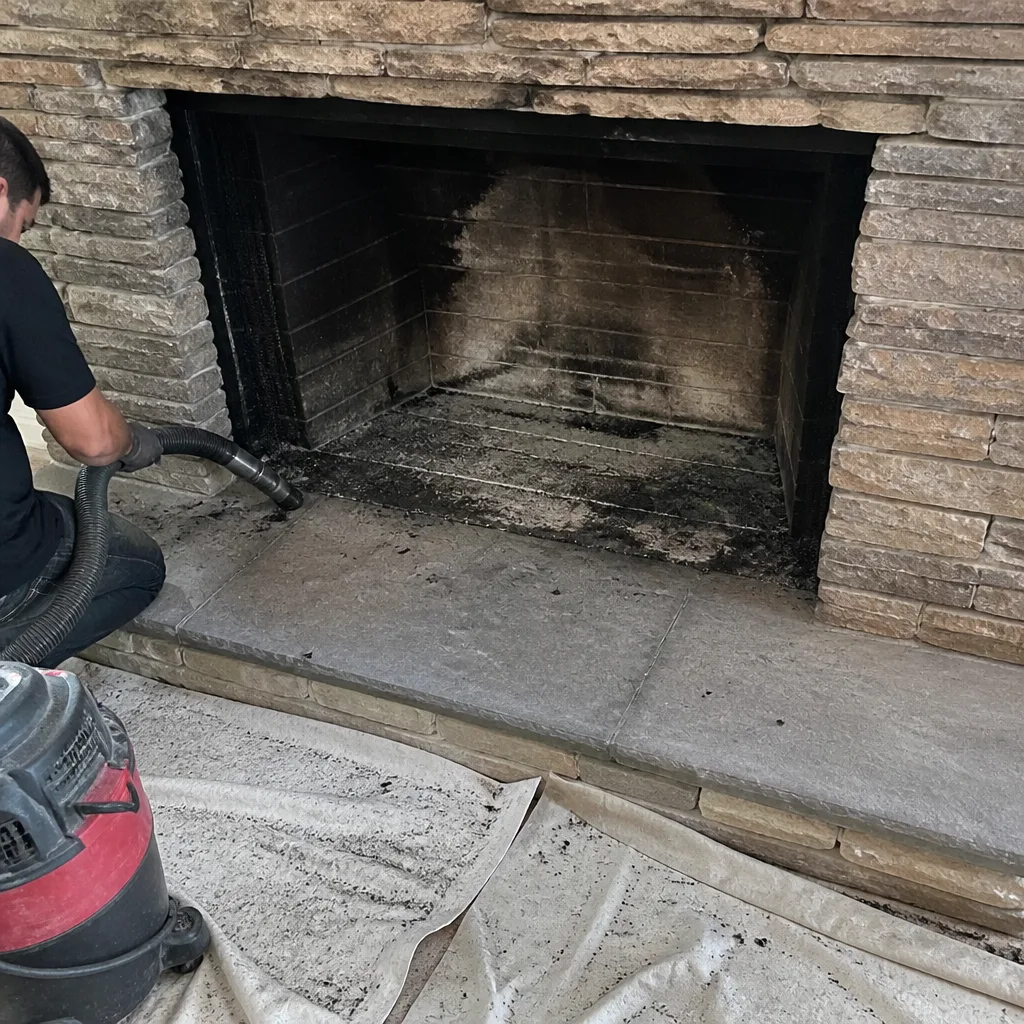 Before
 After
 Before
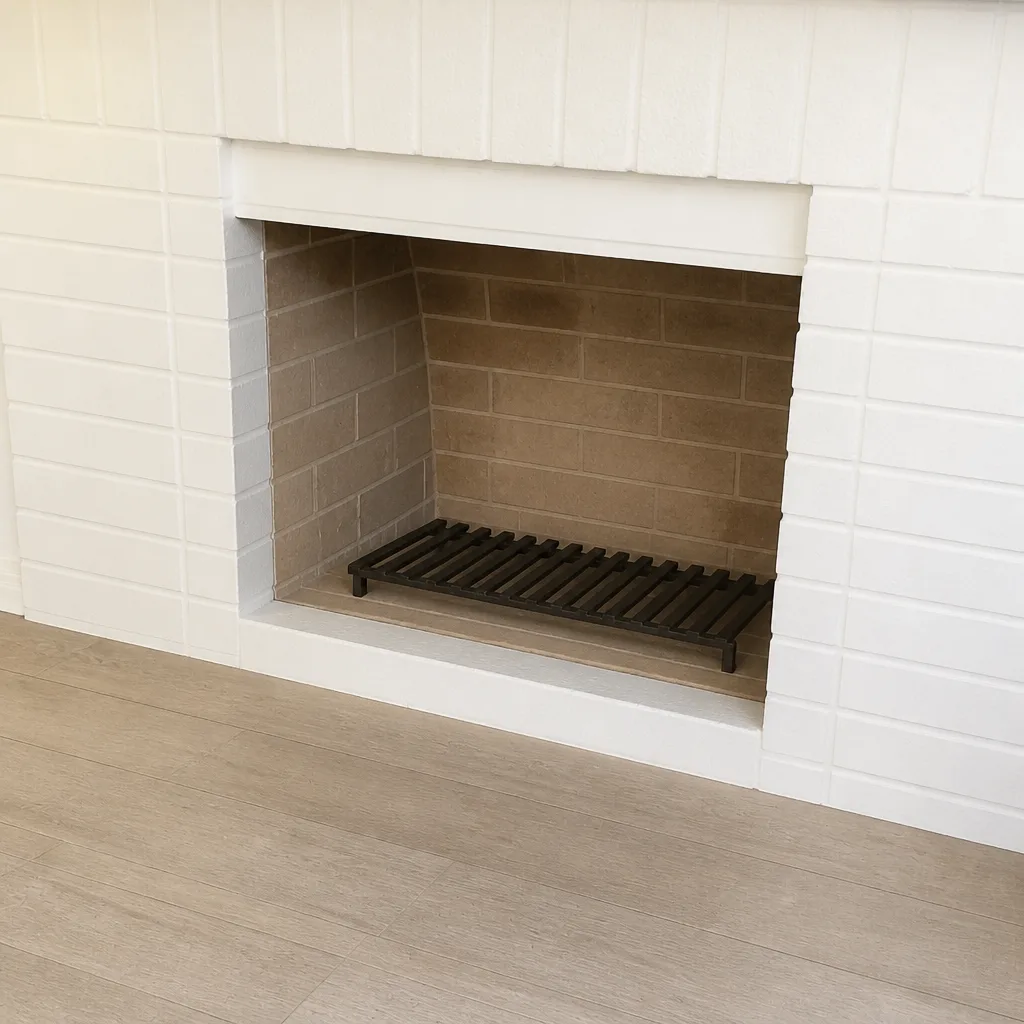 After
When to Call a Professional
Some chimney problems are loud and obvious, and others aren’t. Call a professional when you see cracked or loose flue tiles, rusted or missing components in the firebox, a cracked crown, or a cap that’s damaged or gone. Call if your fire smokes into the room, if you smell creosote or smoke when there’s no fire, or if you notice stains or crumbling masonry on the chimney. Call too if you’ve had a chimney fire, even a small one, or if you’ve bought a home and don’t know when the chimney was last serviced. And if you burn regularly, call for an annual cleaning and inspection, timed before the fall season. Aliso Viejo Chimney Sweep Pros offers free estimates in Aliso Viejo, so call (833) 847-7241 to book a full-system check.
Frequently Asked Questions
A standard cleaning typically runs somewhere in the range you’d expect for South Orange County, and the exact price depends on the system, the level of creosote and whether it’s paired with an inspection. Call (833) 847-7241 for an exact quote. Estimates are free, and we’ll give you a written price before any work starts.
Most chimneys that see regular use should be swept once a year, and more often if you burn heavily or notice glazing. For a lightly used Aliso Viejo fireplace, annual is still the baseline because cool, occasional fires build creosote quickly. A yearly inspection tells you if you’re on track.
You need a liner replacement or resurfacing when the inspection shows the current liner is cracked, gapped or failing, not before. We don’t recommend liner work on a sound flue. If yours is failing, we show you what we found and explain whether resurfacing with HeatShield or a DuraFlex reline is the right path. Call (833) 847-7241 and we’ll walk you through it. Estimates are free.
Creosote builds up on the flue walls, and at Stage 2 and beyond it can ignite, which is what a chimney fire is. A clean flue doesn’t have that fuel load, so skipping service raises risk. Call (833) 847-7241 to get on the schedule before the season starts.
Yes, and often faster than a heavily used one. Short, smoldering fires don’t get the flue hot enough to burn clean, so the deposits that form are the dense kind. Low usage isn’t a pass on annual cleaning.
Yes. Damp air that enters through the cap makes creosote stickier and slowly works on mortar and the crown. A sound cap and crown and a yearly check keep that moisture from turning into a repair. Call (833) 847-7241 for a free estimate.
The Bottom Line
Chimney cleaning in Aliso Viejo isn’t a brush pass through the flue. It’s a full-system service covering the firebox, smoke chamber, liner, crown and cap, and it starts with an inspection. Our mild climate and light burn habits make Stage 2 creosote a real risk on fireplaces that don’t see much wood, and wildfire ash plus marine layer humidity add to what builds up. Inspect and sweep before the fall season and ahead of Santa Ana winds, check the cap and crown yearly, and address a failing liner rather than burning through it. When you’re ready, Aliso Viejo Chimney Sweep Pros offers free estimates and single-crew service from sweep to repair to cap and crown. Call (833) 847-7241. We answer 24/7. Fast dispatch from 7am to 7pm, Sunday through Friday.
Contact
Every chimney is a system, and getting it right means inspecting before anything else and using the materials that suit your flue. Whether you need a routine sweep, a Level 2 inspection, liner repair or a new cap and crown, Aliso Viejo Chimney Sweep Pros handles it with one crew, start to finish. Call (833) 847-7241 for a free estimate.
Aliso Viejo Chimney Sweep Pros works across the full chimney system, from annual cleaning to structural repair and liner work. Our technicians have up to 9 years of experience, and we work with professional-grade brands including DuraFlex, HeatShield, Gelco, Olympia Chimney, Famco and Copperfield.
Written by the team at Aliso Viejo Chimney Sweep Pros.